1068
1068
 Request Call Back
 Contact
 1068
1068
Difference Between Single and Twin Pregnancy Symptoms: What to Expect
Published on: Jan 03, 2026

TABLE OF CONTENTS
- Introduction: Understanding Single vs Twin Pregnancy
- Common Symptoms in Early Pregnancy
- Symptoms Unique to Twin Pregnancy
- Physical Changes During Twin Pregnancy
- Signs That May Indicate Twins
- Monitoring and Diagnosis of Twin Pregnancy
- Dietary and Lifestyle Considerations for Twin Pregnancy
- Complications and Risks in Twin Pregnancy
- Tips for Managing Symptoms in Twin Pregnancy
- Conclusion
- FAQs
Carrying twins creates a very different pregnancy experience compared to having a single baby. A twin pregnancy brings more noticeable symptoms because the mother's body produces higher levels of pregnancy hormones like human chorionic gonadotropin (hCG) and progesterone. These elevated hormone levels lead to stronger morning sickness, more tiredness, and distinct physical changes.
This article explains what twin pregnancy symptoms are, physical changes along with twin pregnancy and practical tips for managing its symptoms.
Introduction: Understanding Single vs Twin Pregnancy
Single pregnancies follow a single rhythm of growth while twin pregnancies have different challenges. Mothers expecting twins experience more intense nausea than those carrying single babies. Some women develop hyperemesis gravidarum (severe form of morning sickness and vomiting).
The baby bump grows much bigger with twins. Twin babies usually arrive sooner than single babies with most twin pregnancies lasting 36-38 weeks instead of the typical 40 weeks.
The weight gain comes faster with twins too. Mothers typically gain 35-45 pounds instead of the usual 25-35 pounds seen in single pregnancies.
Twin pregnancies need more frequent doctor visits. Medical teams watch these pregnancies closely since twins have a higher chance of arriving before 37 weeks and often weigh less than single babies at birth.
Parents carrying twins - whether they're similar twins sharing physical features or fraternal twins with different traits - should learn about these differences to prepare for their unique experience ahead.
Common Symptoms in Early Pregnancy
Your body goes through many physical changes in early pregnancy as it adapts to support a growing baby—or babies with twins. These changes help mothers-to-be prepare for what's coming.
Symptom | Description |
Missed period | Often the first sign of pregnancy |
Morning sickness | Nausea/vomiting that can happen at any time of day |
Breast tenderness | Soreness and swelling from hormone changes |
Fatigue | Feeling very tired, especially in the first trimester |
Frequent urination | Happens due to increased blood volume |
Food cravings/aversions | Sudden likes or dislikes for certain foods |
Symptoms Unique to Twin Pregnancy
Women carrying twins usually experience stronger pregnancy symptoms. Morning sickness can become severe vomiting, and fatigue feels much more intense. Twin pregnancies lead to faster weight gain and a bigger appetite.
Physical Changes During Twin Pregnancy
Bodies change faster when carrying twins. Weight gain usually reaches 16-20 kg, compared to up to 16 kg with single babies. The belly grows more quickly and looks bigger than expected for that stage. Stretch marks, bloating, varicose veins, and haemorrhoids show up more often.
Signs That May Indicate Twins
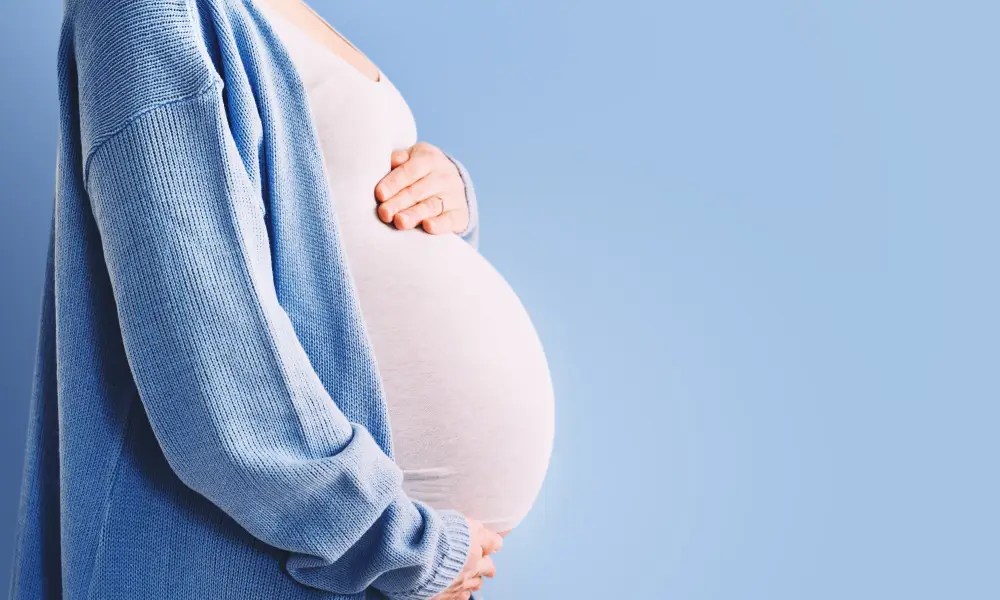
Some signs might point to a twin pregnancy. Mothers feel baby movements in different spots at the same time, notice unusual early weight gain, and doctors might detect multiple heartbeats with a foetal Doppler.
Monitoring and Diagnosis of Twin Pregnancy
Ultrasound offers the only sure way to confirm twins, best done at 11-13 weeks. Early ultrasound can determine whether twins share a placenta (monochorionic) or have separate placentas (dichorionic).
Blood tests that measure hCG or alpha-fetoprotein levels can give supporting evidence, but high levels alone can't confirm multiple babies.
Doctors advise frequent monitoring in a twin pregnancy than in a single pregnancy. These should include blood pressure evaluation, keeping an eye on blood sugar levels, urinalysis to detect protein in urine (an early sign of preeclampsia) and checking complete blood count (anaemia is more common in multiple pregnancies).
Specialised tests include umbilical artery doppler studies, amniotic fluid evaluation, and fetal echocardiogram to monitor high-risk pregnancies.
Dietary and Lifestyle Considerations for Twin Pregnancy
Twin pregnancies need special attention to nutrition. Mothers just need about 600 extra calories each day, while their protein intake should reach 100 grams daily. Doctors suggest higher doses of folic acid and iron supplements. This helps prevent anaemia, which shows up twice as often in women carrying twins.
Your target weight gain depends on your pre-pregnancy BMI:
Normal weight: 37-54 pounds
Overweight: 31-50 pounds
Obese: 25-42 pounds
Complications and Risks in Twin Pregnancy
Twin pregnancies come with higher risk factors. Twins arrive early in many cases, and almost all higher-order multiples arrive before 37 weeks. Some common complications are:
Preeclampsia
Twin-to-twin transfusion syndrome (affects mainly twins sharing a placenta)
Placental abruption
Tips for Managing Symptoms in Twin Pregnancy
Doctors track both babies' growth through frequent ultrasounds during regular prenatal visits. Mothers can improve their symptoms with adapting some easy habits. These are:
Eight large glasses of water help daily
Taking breaks with elevated feet reduces swelling
Support stockings help with varicose veins
Small, frequent meals ease nausea and heartburn
Conclusion
Having twins definitely brings a unique experience compared to carrying one baby. Twin pregnancies come with stronger symptoms because of higher hormone levels in the body. The morning sickness feels worse, exhaustion takes over, and the weight adds up quickly.
Twin pregnancies need extra medical care since these babies usually arrive between 36-38 weeks instead of 40.
The physical needs can be tough sometimes. Your body works overtime to support two growing babies, which is why you just need extra calories, protein, and supplements.
The experience of carrying twins brings special moments despite the extra challenges. Knowing what makes twin pregnancies different helps you get ready for the months ahead.
FAQs
What are the common symptoms of twin pregnancy?
Mothers who carry twins experience stronger morning sickness, extreme fatigue, and more sensitive breasts than those with single pregnancies. They notice weight gain happens faster, especially in the first trimester. Some women also feel baby movements in different areas of their abdomen at the same time.
How can I tell the difference between single and twin pregnancy symptoms?
The biggest difference shows up in how intense the symptoms are. Twin pregnancy signs show up earlier and feel much stronger. Your blood work might point to twins if it shows higher hCG levels. Your baby bump will also grow faster compared to single pregnancies.
Are twin pregnancies more difficult than single pregnancies?
Yes, it is true that twin pregnancies need closer monitoring. Most twins arrive before 37 weeks, while single babies usually take 40 weeks. You'll also need more doctor visits and should be prepared that complications might occur more often.
What physical changes are unique to twin pregnancies?
Twin pregnancies make your uterus grow faster, which creates a bigger bump early on. You might gain 16-20 kg instead of the usual 16 kg with single babies. Your body will likely show more stretch marks and varicose veins.
When can twins be diagnosed during pregnancy?
The quickest way to confirm twins is through an ultrasound at 11-13 weeks. High hCG levels might make doctors suspect twins, but they need visual confirmation to be sure.
Are there special dietary requirements for twin pregnancy?
We learned that you need about 600 extra calories daily - 300 for each baby. Your protein needs should reach 100 grams each day. After the first trimester, iron requirements jump from 30mg to 60mg.
What complications are more common in twin pregnancies?
Twin pregnancies come with higher risks of gestational diabetes, preeclampsia, premature labour, and placental abruption. Similar twins that share a placenta face another challenge - twin-twin transfusion syndrome.