1068
1068
 Request Call Back
 Contact
 1068
1068
Breast Pain (Mastalgia): Symptoms, Causes, and Treatment
Published on: Jan 30, 2026
TABLE OF CONTENTS
Breast pain is a common condition that affects many women during their lifetime. Many women worry and have questions about what this discomfort means. The pain can vary from mild tenderness to severe aching.
Hormonal changes during menstrual cycles cause the most typical form of breast pain. Women often notice this cyclical pain two weeks before their periods start. The discomfort usually goes away once menstruation begins. Some people experience non-cyclical breast pain, which can result from trauma, inflammation, or other physical factors. Many men also feel breast discomfort at some point.
This article explains the symptoms, causes, and treatments for breast pain.
What is Breast Pain (Mastalgia)?
Mastalgia describes pain or discomfort in breast tissue. The pain ranges from mild tenderness to severe throbbing. Most women worry about cancer when they experience breast pain, but it rarely indicates cancer. The pain appears in two distinct forms - cyclic pain that follows hormone patterns and noncyclic pain that occurs without any pattern.
Common Symptoms of Breast Pain
Women with cyclic breast pain usually feel:
A dull, heavy or aching sensation
More pain two weeks before their periods
Discomfort in both breasts that often extends to the armpit
Noncyclic breast pain shows these patterns:
Pain targets one specific area in a single breast
Sharp, burning or stabbing sensations appear
Pain stays constant or comes and goes
Causes of Breast Pain
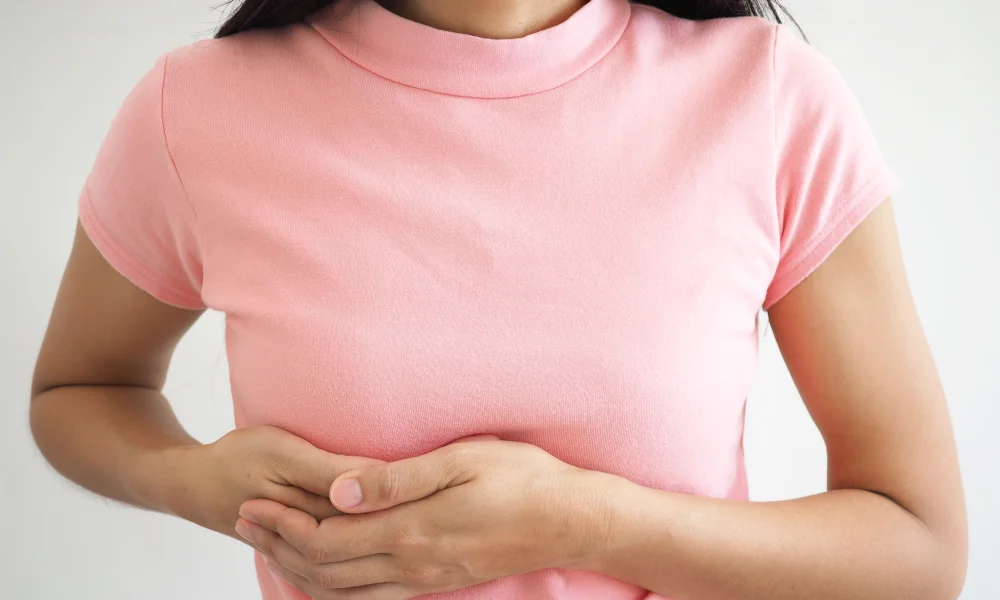
Hormone changes are the main cause of breast discomfort. Many more factors contribute to this condition. These are:
Certain medications like birth control pills and antidepressants
Pregnancy or breastfeeding
Breast cysts or benign lumps
Bras that don't fit properly
Past breast surgery
Trauma or injury
When to See a Doctor
Contact your doctor if your breast pain:
Lasts longer than two weeks
Gets worse with time
Affects your daily life or sleep
Appears with lumps, nipple discharge, or skin changes
Appears with fever, redness, or swelling.
Diagnosis of Breast Pain
Doctors usually start with a detailed evaluation. They discuss your symptoms, how long you've had them, how severe they are, and check for possible lumps. You might need to lean forward while they explore whether the pain comes from breast tissue or the chest wall.
Your doctor might recommend some tests based on your age, pain type, and examination results. These are:
Ultrasound to evaluate breast tissue and cysts
Mammogram to check suspicious findings above 40 years
MRI to confirm the location and size of the lesion (when other imaging doesn't give clear results)
Treatment Options
Several approaches are available after ruling out serious conditions:
Most women get relief from simple pain relievers like:
Acetaminophen
Vitamin E
Ibuprofen and other NSAIDs
Diclofenac gel or patches
Women who don't respond to original treatments might need prescription medications like tamoxifen. This helps the majority of women with cyclical pain and some with non-cyclical pain.
Doctors might adjust oral contraceptive doses for cyclical pain.
In case of breast cysts or lesions doctors use a comprehensive treatment plan. These include surgery or other adjuvant treatments according to your condition.
Tips to Reduce Breast Pain
Several practical measures can improve your comfort by a lot. These include:
A well-fitted supportive bra can make all the difference. Research shows that 70% of women wear the wrong size. When women wear properly fitted garments, the majority experience less pain, especially when they have larger breasts.
Your eating habits play a key role too:
Cut back on caffeine from coffee, tea, chocolate and soft drinks
Choose more unsaturated fats and fibre instead of saturated fats
Include more fruits and vegetables
There's another reason to feel better - supplements. Evening primrose oil contains gamma-linolenic acid that helps regulate prostaglandin production. Premenopausal women who take Vitamin E at 200 IU twice daily with evening primrose oil often feel better after three months.
Hot or cold compresses on painful areas bring quick relief.
Regular exercise helps keep your hormones balanced naturally.
Relaxation techniques help women who have stress-related breast pain.
A cup of chamomile or green tea can soothe discomfort through its calming, anti-inflammatory properties.
Conclusion
Breast pain ranks among women's most common bodily discomforts throughout their lives. The pain rarely signals a serious health concern, though it might seem alarming at first. Many women manage this discomfort better when they understand the difference between cyclical hormone-related pain and non-cyclical pain from physical factors.
Simple approaches provide relief for most women. Based on your symptoms and their mechanisms, your doctor might suggest specific treatments. Although breast pain usually proves harmless, but any persistent or severe discomfort needs medical attention.
Your body's signals matter, but don't panic. Symptom tracking helps identify your breast pain's patterns and triggers. Knowledge about this common condition lets you face breast pain with confidence instead of fear. Understanding your body's processes often leads to finding relief.
FAQs
What causes breast pain (mastalgia) in women?
Changes in hormone levels cause most cases of breast tenderness. Several other factors contribute to this condition:
Medications like birth control pills, antidepressants, and blood pressure drugs
Breast cysts or benign lumps
Infection or inflammation
Large, heavy breasts causing strain
Pregnancy or breastfeeding
Previous breast surgeries or trauma
Is breast pain normal before periods?
Yes, it is normal for most women to experience breast discomfort before menstruation. Research shows that many women feel some tenderness a few days before their period begins. The discomfort starts in the luteal phase (after ovulation) and goes away once bleeding begins.
Can hormonal changes trigger mastalgia?
Breast tissue responds directly to hormone fluctuations. The rising oestrogen affects breast ducts while progesterone makes milk glands swell. This natural process explains why breast tenderness occurs at specific times during the menstrual cycle.
Are there different types of breast pain?
Two main types are:
Cyclical pain - follows your menstrual rhythm, affects both breasts, and feels like a dull ache
Non-cyclical pain - random timing, often affects one specific area, and might feel sharp or burning.
When should I see a doctor for breast pain?
Consult a doctor if your pain:
Lasts more than two weeks
Affects your sleep or daily activities
Appears with redness, swelling, or fever
Comes with lumps or nipple discharge.
Can breast pain be a sign of cancer?
Most women fear cancer, but breast pain rarely points to it. Research shows that only 1-7% of women who experience breast pain have cancer. The pain from inflammatory breast cancer usually comes with other distinct symptoms. These include:
Redness or discolouration of the breast
Swelling or heaviness
Skin that looks thick or has an orange peel texture
What home remedies help relieve breast pain?
You can try these home solutions for relief:
Get a professionally measured, supportive bra that fits well
Use hot or cold compresses on areas that hurt
Take common pain relievers like acetaminophen or ibuprofen
Add vitamin E supplements (200 IU twice daily)
Evening primrose oil might help balance fatty acids in cells
Can certain medications cause breast pain?
Many medications can trigger breast pain. Some of these are:
Hormone therapies (birth control pills, menopause treatments)
Certain antidepressants, especially when you have SSRIs
Some high blood pressure medications
Specific antibiotics
Digitalis (used for heart failure)
Methyldopa (treats hypertension)
How is breast pain diagnosed?
Doctors start with a detailed discussion about symptoms and do a physical exam. They might ask you to lean forward to check if the pain comes from breast tissue or the chest wall. Diagnostic tests:
Ultrasound (usually for women under 40)
Mammogram (typically for women over 40)
Sometimes a biopsy if imaging shows anything unusual
Are lifestyle changes effective in reducing mastalgia?
Basic lifestyle changes are a great way to get relief from breast pain without medication. Most women see improvements by making simple daily adjustments. These are:
Wearing a supportive bra that fits well (studies show 70% of women's bra sizes are wrong)
Applying hot or cold compresses
Evening primrose oil (1000mg daily) or vitamin E
Limiting caffeine consumption
Gentle massage of affected areas.