1068
1068
 Request Call Back
 Contact
 1068
1068
Blood Oxygen Levels: Everything you need to Know
Published on: May 19, 2022
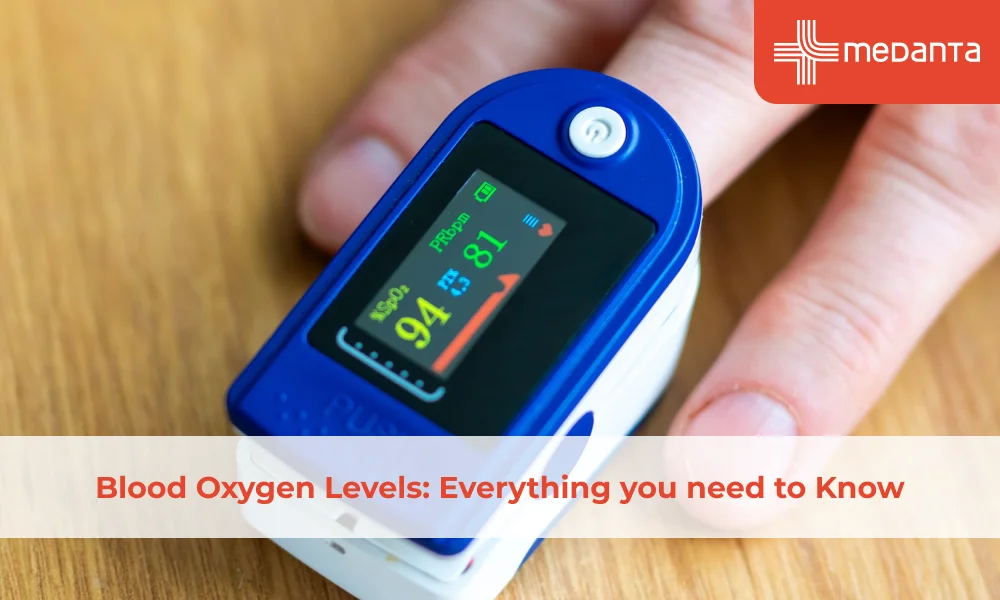
TABLE OF CONTENTS
Introduction
The blood oxygen level is an indicator of the volume of oxygen that circulates in the blood. It is a measure of the oxygen carried by the red blood cells from the lungs to all body parts. Our body organs and vital systems require the right amount of oxygen to function effectively. There can be serious consequences if the oxygen level is too little or too much. Low blood oxygen levels can be a warning sign that immediate medical care is required. Maintaining the right oxygen level in the blood is crucial to maintaining good health. Similar to our blood pressure or blood sugar level, our blood oxygen level plays a significant role in maintaining good health.
Blood Oxygen Levels
Our blood cells are carriers of oxygen, and each blood cell may carry around four molecules of oxygen from the lungs to different body organs. We can use a pulse oximeter to estimate the blood oxygen levels. This non-invasive equipment works by sending infrared rays into the capillaries when placed on the fingertip or earlobe. It estimates the oxygen level by measuring the light reflected.
The table below shows the blood oxygen levels and what they indicate.
Blood oxygen levels
Blood oxygen levels | Indication
95%- 100% | Normal reading
91%- 94% | Insufficient oxygen levels
Below 91% | Low blood oxygen level
Below 85% | Very low oxygen levels (Hypoxemia)
Below 80% | Severe Hypoxemia
Below 67% | Cyanosis
Normal oxygen levels
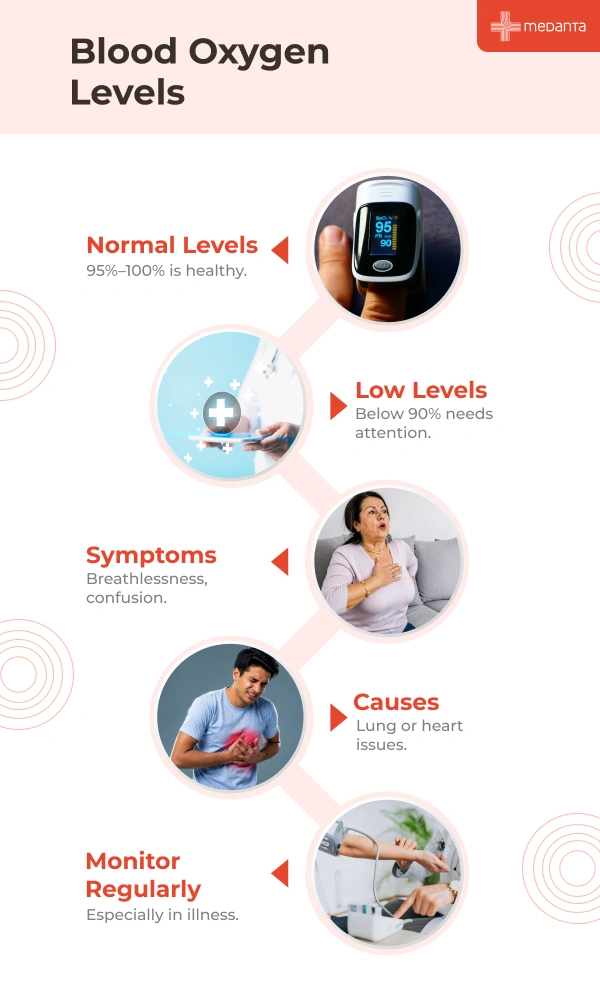
What should your oxygen level be? The oxygen saturation level is considered normal if it is between 95% to 100%. If the oxygen levels fall below this range, the person must seek medical advice.
Insufficient oxygen levels
Oxygen levels between 91% and 95% may indicate an underlying medical issue. People with oxygen levels below 95% must take medical advice immediately.
Low blood oxygen levels
Oxygen level below 90% is very concerning, indicating a medical emergency. The state is termed hypoxemia. Immediate medical help must be given to the person.
Very low blood oxygen levels
If the oxygen saturation drops below 85%, the severe lack of oxygen affects the brain. The person may experience vision changes and lose consciousness.
Severe Hypoxemia
When the blood oxygen levels drop below 80%, the brain, liver, and other vital body organs get affected.
Cyanosis
Cyanosis develops when the blood oxygen saturation falls below 67%. It is a condition characterised by a bluish tinge on the skin or mucous membranes due to a lack of oxygen.
Causes of low blood oxygen levels
Several factors affect the body’s ability to maintain the right oxygen level. Some of the possible causes for low blood oxygen levels are as follows:
Lung disorders, such as bronchitis, asthma, etc.
Heart diseases
Anaemia
High altitude, where oxygen is scarce
Sleep Apnea (sleep-related breathing disorder)
Medications that hold back breathing
Inflammation in the lung tissues

Symptoms of low oxygen level
Hypoxemia refers to a condition when the oxygen concentration in the blood gets abnormally low. Depending on how low the blood oxygen level is, the symptoms of hypoxemia may vary from person to person. Some of the symptoms of low oxygen levels in the blood include:
Headache
Palpitation
Shortness of breath and rapid breathing
Difficulty in breathing or wheezing
Cough
Sweating
Disorientation
Confusion
When the oxygen level gets very low, it leads to cyanosis. The person experiences bluish discoloration of the skin around lips, fingernails, etc., due to inadequate oxygenation in the blood.
Checking oxygen saturation levels
Normal blood oxygen level is generally between 95% and 100%. However, we often may not experience any symptoms even if the oxygen saturation is slightly lower. Hence, monitoring oxygen levels in the blood is essential, especially for people with heart or lung disorders. There are several ways to check the oxygen levels. We can check the oxygen saturation level using a pulse oximeter, a simple, over-the-counter device. It is a painless, non-invasive, and easy method of checking the blood oxygen level used at homes and hospitals. Other methods used in hospitals by healthcare providers include the arterial blood gas test and other breathing tests.
Ways to prevent low oxygen levels
With appropriate medical advice combined with changes in lifestyle and food habits, we can maintain appropriate blood oxygen levels and prevent them from getting low. Healthcare workers recommend the following to increase the oxygen saturation in the blood.
Intake of a healthy and nutritious diet
Practice yoga and breathing exercises
Regular exercise/walking
Preventive medications such as inhalers
Be aware of your body, avoid triggers that may cause breathing difficulty
Keep yourself hydrated
Quit smoking
Conclusion
The vital organs in the body function effectively with the right level of oxygen in the blood. It is essential to monitor the blood oxygen saturation levels and consult your healthcare provider if the levels drop. Early diagnosis and appropriate treatment are the keys to avoiding complications and ensuring good health. Book an Appointment with specialists in the field to get the right medical advice.
FAQs
What exactly is SpO₂ normal range?
SpO₂ (peripheral oxygen saturation) measures the percentage of oxygen in your blood. A normal SpO₂ range is typically 95% to 100% in healthy individuals.
How do I know if my SpO₂ is normal?
You can check your SpO₂ using a pulse oximeter. Readings between 95–100% are considered normal. Values below this may need attention depending on symptoms.
What are the early warning signs of low SpO₂ levels?
Early signs of low oxygen levels may include:
Shortness of breath
Rapid breathing
Fatigue
Headache
Restlessness or confusion
What usually causes low SpO₂ levels?
Common causes include lung conditions like Chronic Obstructive Pulmonary Disease, Asthma, pneumonia, heart problems, high altitude, or infections such as COVID-19.
Is low SpO₂ serious or life-threatening?
Yes, significantly low SpO₂ (usually below 90%) can be serious and may become life-threatening if not treated promptly, as organs may not receive enough oxygen.
What tests are done to check SpO₂ levels?
Pulse oximeter (non-invasive)
Arterial blood gas (ABG) test for more accurate measurement
Chest X-ray or lung function tests if needed
What are the best treatment options for low SpO₂?
Treatment depends on the cause and may include:
Oxygen therapy
Medications for underlying lung or heart conditions
Breathing support in severe cases
Can low SpO₂ be cured completely?
It depends on the underlying cause. Temporary causes can be fully treated, while chronic conditions may require long-term management.
What complications can happen if low SpO₂ is untreated?
Untreated low oxygen levels can lead to:
Organ damage (brain, heart)
Respiratory failure
Confusion or loss of consciousness
Increased risk of death in severe cases
When should I consult a doctor for SpO₂ levels?
Seek medical help if your SpO₂ is consistently below 94%, or immediately if it drops below 90%, especially with symptoms like breathlessness, chest pain, or confusion.