1068
1068
 Request Call Back
 Contact
 1068
1068
Ofloxacin: Uses, Side Effects, Precautions and Dosage
Ofloxacin
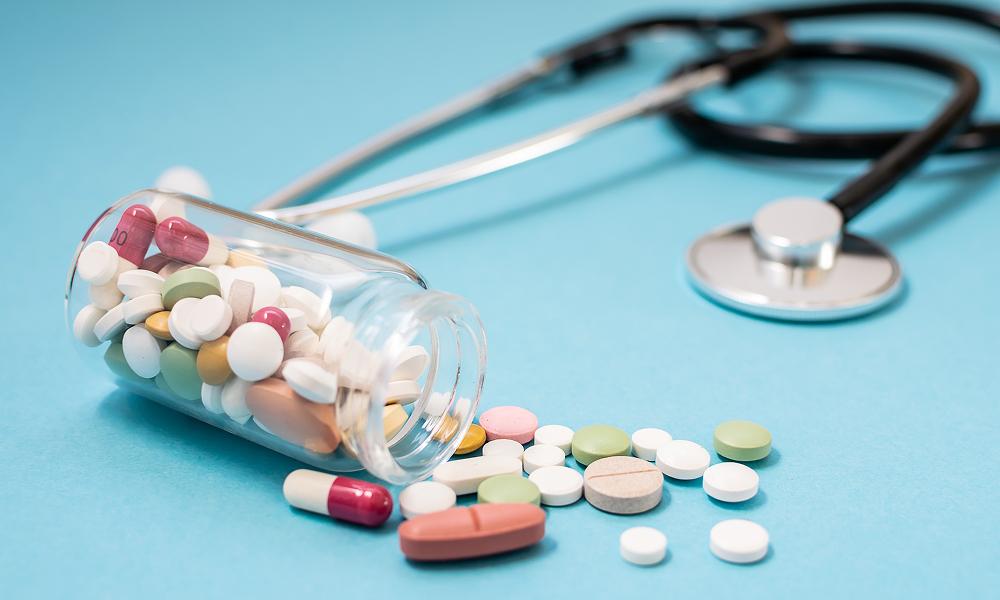
Ofloxacin is a broad-spectrum fluoroquinolone antibiotic that acts directly on bacterial DNA. Available as 200 mg and 400 mg tablets, ear drops, eye drops, and IV infusion; it is prescribed in India in combination with ornidazole for gut infections. It is a prescription medicine as fluoroquinolones carry specific risks like tendon damage, peripheral neuropathy, and CNS effects that require medical supervision. Let's understand how ofloxacin works, its benefits and the precautions you should consider before taking the medicine.
How Does Ofloxacin Work
Ofloxacin tablet works by stopping bacteria from growing and multiplying. It blocks enzymes that bacteria need to copy, repair & maintain their DNA. Without these enzymes the bacteria cannot survive and eventually die. Human cells do not use these bacterial enzymes so the drug targets bacteria specifically. Ofloxacin is bactericidal (kills bacteria outright) and reaches effective concentrations in urine, lung tissue, bone, skin, and prostate.
Uses of Ofloxacin
Doctors recommend ofloxacin for:
UTIs, cystitis (bladder infection) and pyelonephritis (kidney infection)
Respiratory infections including community-acquired pneumonia, acute exacerbations of chronic bronchitis
Skin and soft tissue infections
Gonorrhoea and pelvic inflammatory disease (PID)
Prostatitis (prostate infection)
Traveller's diarrhoea and infectious gastroenteritis
Ear infections (using ear drops)
Bacterial conjunctivitis and corneal ulcers (using eye drops).
How and When to Take Ofloxacin
Take every 12 hours at consistent times with a full glass of water. Food is optional but taking medicine after food reduces nausea. Complete the full prescribed course as stopping early allows surviving bacteria to multiply - risking relapse or resistance.
Side Effects of Ofloxacin
Common effects are:
Serious side effects:
Tendinitis and tendon rupture especially the Achilles tendon
Peripheral neuropathy: tingling, burning, or numbness in the hands and feet
CNS effects: agitation, confusion, seizures, or hallucinations
Photosensitivity: skin burns more easily in sunlight
QT prolongation (a change in heart electrical activity that can trigger abnormal rhythms): relevant with other QT-prolonging drugs.
Rare but serious side effects:
Liver damage (jaundice, dark urine)
Aortic dissection (a tear in the body's main artery).
Can I Take Ofloxacin Daily?
Ofloxacin is prescribed as a short course (typically 3–14 days) not for long-term daily use. Prolonged fluoroquinolone use carries cumulative risks like tendon damage, peripheral nerve damage, and gut microbiome disruption that allows resistant organisms to establish. For chronic infections such as prostatitis, four to six weeks may be prescribed under close supervision; even then the decision is weighed carefully.
Precautions While Using Ofloxacin
Tell the doctor before starting about:
Fluoroquinolone allergy (cross-reactivity with ciprofloxacin, levofloxacin, and moxifloxacin)
Tendon problems (fluoroquinolones raise rupture risk)
Epilepsy or seizure disorder (ofloxacin lowers seizure threshold)
Kidney or liver disease (dose adjustment required)
Heart rhythm problems or QT-prolonging medicines
Diabetes (ofloxacin affects blood sugar in both directions)
Pregnancy or breastfeeding.
Avoid driving if dizzy or confused. Stay well hydrated to reduce crystalluria.
What If You Miss a Dose?
Take the missed dose as soon as you remember. If fewer than 6 hours remain before the next dose, skip it. Never take two doses at once. A daily alarm helps if forgetting is recurring.
What If You Overdose?
Overdose can cause nausea, vomiting, dizziness, seizures, and QT prolongation (dangerous heart rhythms). Go to the nearest emergency department immediately. Treatment is supportive: symptoms managed, heart rhythm monitored, hydration maintained. Do not induce vomiting unless instructed.
Caution With Other Drugs: Interactions
Ofloxacin can interact with many drugs. Key interactions are:
Antacids (aluminium or magnesium), iron, and zinc supplements
Sucralfate
Warfarin and anticoagulants
NSAIDs like ibuprofen, diclofenac
QT-prolonging drugs like amiodarone, antipsychotics, and certain antihistamines
Antidiabetic medicines like sulphonylureas, insulin
Theophylline
Disclose all medicines including Ayurvedic and herbal preparations to the doctor before starting ofloxacin.
Dosage of Ofloxacin
Doses depend on the infection type and severity, and require adjustment in renal impairment:
UTI (uncomplicated): 200 mg twice daily, 3–7 days
UTI (complicated) / pyelonephritis: 200–400 mg twice daily, 7–14 days
Respiratory infections: 400 mg twice daily, 7–14 days
Skin and soft tissue infections: 400 mg twice daily, 7–14 days
Prostatitis (acute): 200–400 mg twice daily, 4–6 weeks
Gonorrhoea (uncomplicated): 400 mg single dose
Ear drops: 5–10 drops in affected ear twice daily, 7–14 days
Eye drops: 1–2 drops every 2–4 hours initially, reducing as infection resolves.
Ofloxacin is generally not recommended under 18 years, as fluoroquinolones affect developing cartilage.
Ofloxacin vs Ciprofloxacin
Both are fluoroquinolones with overlapping indications. Key differences:
Spectrum: Ciprofloxacin has stronger activity against Pseudomonas aeruginosa (a bacterium in hospital and chronic lung infections); ofloxacin covers certain atypical respiratory pathogens more broadly
Dosing: Both are typically twice daily; ciprofloxacin has an extended-release form for once-daily UTI dosing
CNS penetration: Ofloxacin penetrates the brain and spinal cord better than ciprofloxacin
Prostate: Both achieve good prostate tissue concentrations, making either suitable for prostatitis.
FAQs
What is ofloxacin used to treat?
Ofloxacin treats UTIs, respiratory infections, skin infections, gonorrhoea, pelvic inflammatory disease, prostatitis, and traveller's diarrhoea. Ear drops treat otitis externa; eye drops treat bacterial conjunctivitis and corneal ulcers. It is not effective against viruses or fungi.
What are the side effects of ofloxacin tablets?
Common effects: nausea, diarrhoea, headache, and dizziness. More serious: tendon rupture (particularly Achilles tendon), peripheral neuropathy (tingling or numbness in hands and feet), photosensitivity, and rarely seizures, confusion, or liver damage.
How should I take ofloxacin for infection?
Take ofloxacin tablet every 12 hours at consistent times with a full glass of water. Complete the entire course even if symptoms improve early as stopping risks relapse and resistance. Avoid antacids and iron supplements within 2 hours of a dose.
Can ofloxacin treat urinary tract infections (UTI)?
Yes ofloxacin achieves high urine concentrations, making it effective for uncomplicated and complicated UTIs including kidney infections (pyelonephritis). However, fluoroquinolone resistance in E. coli (the commonest UTI pathogen) is high in India. A urine culture and sensitivity test confirms whether ofloxacin is appropriate.
Is ofloxacin an antibiotic?
Yes it is a broad-spectrum fluoroquinolone antibiotic. It kills bacteria by blocking the enzymes bacteria need to copy and repair their DNA. It does not treat viral or fungal infections.
Can ofloxacin be taken with food?
Yes absorption is not meaningfully affected by food, though taking with food reduces nausea. What matters more: avoid antacids (aluminium- or magnesium-based), iron, and zinc within 2 hours of a dose - these significantly reduce absorption.
Can ofloxacin cause stomach pain or nausea?
Yes nausea and stomach discomfort affect some patients. Taking the tablet with food usually helps. If vomiting occurs within 30 minutes of a dose, take a replacement. Severe abdominal pain with jaundice or dark urine could indicate liver problems and needs medical review.
How many days should ofloxacin be taken?
Uncomplicated UTIs: 3–7 days.
Complicated UTIs and respiratory infections: 7–14 days.
Prostatitis: 4–6 weeks.
Gonorrhoea (uncomplicated): a single 400 mg dose.
Do not extend beyond the prescribed course as longer treatment raises side effect risk without added benefit.
Can ofloxacin be taken on an empty stomach?
Yes absorption is not meaningfully affected without food. If empty-stomach dosing causes nausea, take with a light meal. The key rule is to avoid antacids, iron, and zinc within 2 hours.
Is ofloxacin safe during pregnancy?
No ofloxacin is generally avoided in pregnancy. Studies show fluoroquinolones can damage developing cartilage and joints in the foetus. Ofloxacin passes into breast milk and is not recommended during breastfeeding.
What should I avoid while taking ofloxacin?
Avoid antacids, iron, and zinc within 2 hours of a dose. Avoid excessive sun exposure & use sunscreen as ofloxacin causes photosensitivity. Limit alcohol, which worsens dizziness and CNS effects. Do not drive if dizzy or confused. Stop the drug and seek advice if tendon pain, nerve symptoms or palpitations develop.