
 1068
1068
 Request Call Back
 Contact
 1068
1068
Ebastine: Uses, Side Effects, Dosage And More
Ebastine
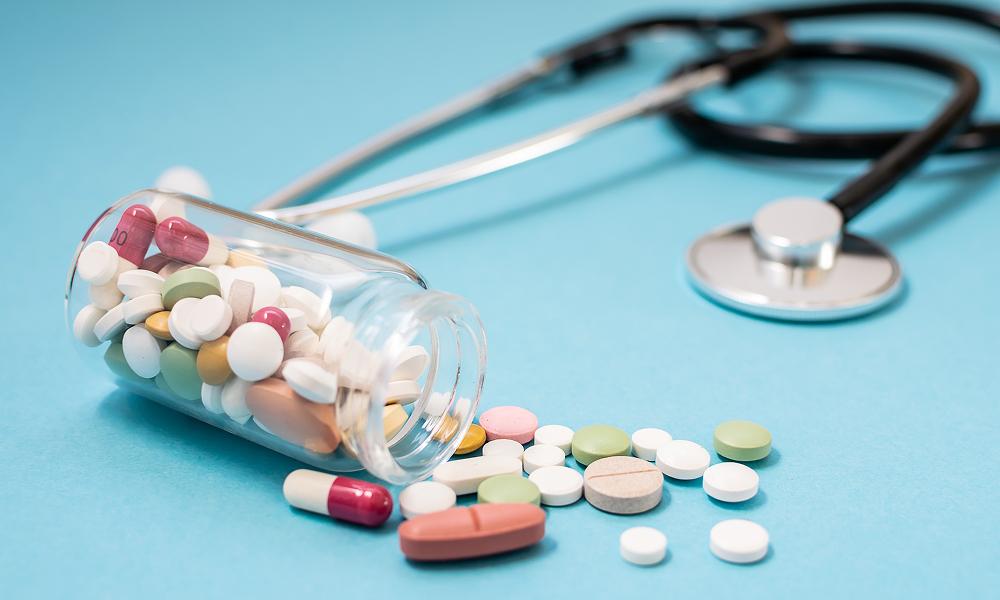
Ebastine belongs to the family of second-generation antihistamines that fight allergic reactions and cause minimal drowsiness. This treatment helps people stay alert while managing their allergy symptoms effectively. The drug blocks histamine release from mast cells and provides relief for a full 24 hours with just one dose per day. This comprehensive blog explains the mechanism of action, proper usage, complications, and key precautions of ebastine.
How Does Ebastine Work?
Your body releases histamine during allergic reactions, which leads to sneezing and itching. Ebastine blocks histamine at H1 receptors without activating them. The drug changes into carebastine after you take it. This active metabolite keeps the antihistamine effect going. Relief starts within 2.5 to 4 hours and lasts all day.
Uses of Ebastine
Doctors prescribe ebastine to treat:
Allergic rhinitis (seasonal and perennial)
Chronic urticaria (hives)
Allergic conjunctivitis
Scientists think ebastine could help with Irritable Bowel Syndrome. Research is still ongoing.
How & When to Take Ebastine?
You can take ebastine with or without food. Food might make it more effective.
Take the tablet whole with water. Don't crush or chew it.
Try to take it at the same time to keep your allergy relief steady.
Don't exceed the amount your doctor told you to take, and stick to what they say.
What Are the Side Effects of Ebastine?
Most people handle ebastine well. Some side effects include:
Headache (very common)
Dry mouth (common)
Drowsiness (less common than older antihistamines)
Gastrointestinal discomfort
A small number of people might experience heart palpitations, dizziness, or skin reactions.
Can I Take Ebastine Daily?
Doctors approve ebastine's daily use. Make sure to follow your doctor's instructions about how long to take it. You might need it only during allergy seasons or symptom flare-ups. People with mild to moderate liver problems can safely take ebastine up to seven days without changing the dose.
Precautions
People with liver or kidney issues should consult their doctor before starting the drug.
Medical advice is essential for pregnant or nursing women.
The medication can make you drowsy, so you should avoid alcohol.
Anyone who drives or operates machinery needs to understand how the medicine affects them before continuing these activities.
What If I Missed a Dose?
You should take your missed pill when you remember it. However, skip the missed dose if your next scheduled one is coming up soon. The risk of side effects increases if you take a double dose, and it won't provide extra benefits.
What If I Overdose?
Ebastine overdose usually leads to severe drowsiness or headaches. You need to call emergency services right away if you suspect an overdose. Doctors can help better if you bring the medication package with you. Stay hydrated and calm while waiting for help.
Drug Interactions
Common interactions are:
Antifungal medications (ketoconazole, itraconazole)
Certain antibiotics (erythromycin, clarithromycin)
HIV medications
Heart rhythm drugs
Your doctor needs to know about all your medications, including supplements and herbal products.
Dosage for Ebastine
Adults and teenagers over 12 years should take:
Standard dose: 10mg once daily
Severe symptoms: 20mg once daily
Medical supervision is required for children under 12 years using ebastine.
Ebastine vs Cetirizine
People often choose between antihistamines based on how their body responds and what symptoms they have. Let's get into how ebastine and cetirizine match up against each other.
Comparison Factor | Ebastine | Cetirizine |
Efficacy Timeline | Slower original relief | Faster original symptom reduction |
Effectiveness for Severe Symptoms | Ebastine 20mg shows superior efficacy compared to 10mg dose for severe cases | Standard 10mg dose is nowhere near as effective for severe symptoms |
Nasal Congestion Relief | Less effective | Substantially improves nasal stuffiness |
Sedation Risk | Lower sedation profile | Causes more sedation than ebastine |
Pruritus Control | Effective but less than cetirizine | Most effective against pruritus |
Dosing Options | 10mg standard, 20mg for severe symptoms | 10mg standard dose |
Clinical studies show that both medications work well against allergic rhinitis symptoms. Cetirizine works faster at first, while ebastine 20mg might be better for patients with severe symptoms.
FAQs
What is ebastine used for?
Ebastine treats several allergic conditions. These include:
Seasonal and perennial allergic rhinitis (hay fever)
Chronic idiopathic urticaria (hives)
Allergic conjunctivitis (eye allergies)
The medicine reduces symptoms like sneezing, runny nose, itchy eyes and skin rashes.
How does ebastine work in the body?
The medication blocks peripheral H1 receptors without activating them. This prevents histamine from binding to these receptors and stops allergy symptoms. The drug does not cross the blood-brain barrier, which means you'll feel less drowsy than with older antihistamines.
What is the usual dosage of ebastine for adults and children?
Adults and children over 12 years old should take 10 mg once daily. Doctors might increase the dose to 20 mg once daily for severe symptoms. Children under 12 should take ebastine only when prescribed by a doctor.
Can ebastine be used for seasonal allergies and hay fever?
Absolutely! Clinical trials prove ebastine works well for both seasonal allergies and hay fever. The 20 mg dose of ebastine works better than 10 mg of loratadine for seasonal allergic rhinitis.
What are the common side effects of ebastine?
Common side effects are:
Headache
Dry mouth
Mild drowsiness (less than older antihistamines)
Gastrointestinal discomfort
Is ebastine safe for long-term use?
Clinical studies confirm ebastine's excellent tolerance profile. Standard doses of 10-20 mg daily show no clinically relevant adverse effects on cognitive function, psychomotor performance, or cardiovascular function.
Can ebastine interact with other medications?
Ebastine commonly interacts with:
Antifungals
Certain a
ntibiotics
HIV drugs
Antituberculosis medicines
What precautions should be taken while using ebastine?
You need extra care if you have:
Severe liver problems
Heart rhythm abnormalities
Age under 12 years
How long does it take for ebastine to start working?
Ebastine starts working within 1-3 hours after taking it.

