1068
1068
 Request Call Back
 Contact
 1068
1068
Medanta Highlights New Advances in Precision Medicine That Are Changing Cancer Treatment
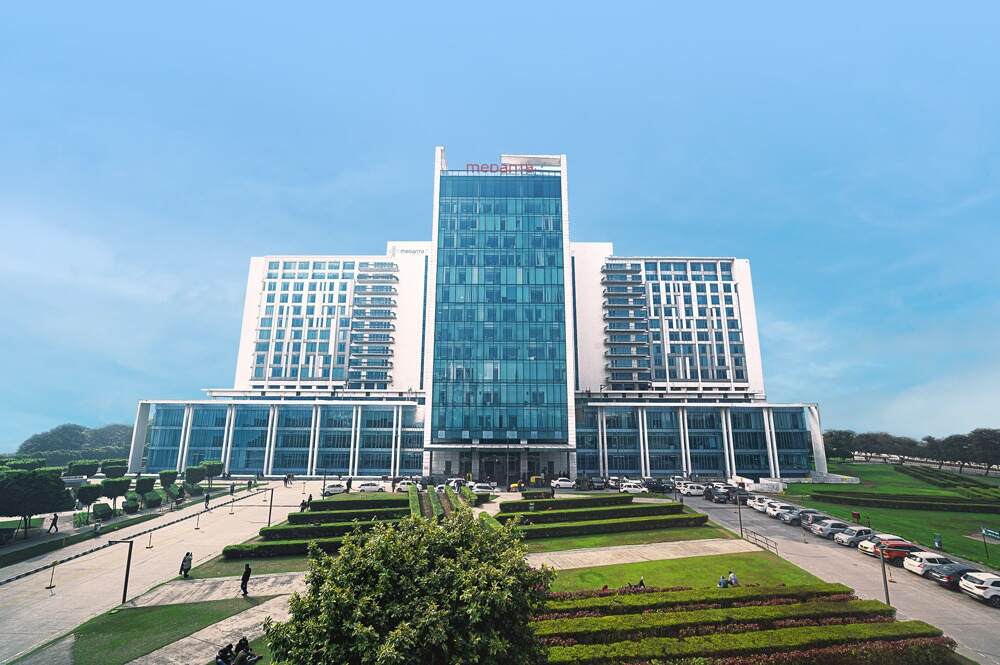
Cancer treatment has changed dramatically over the past decade, offering patients more personalized and effective treatment options. Oncologists at Gurugram-based Medanta – The Medicity, ranked India's best hospital by Newsweek in 2026, say precision medicine -- an approach that tailors treatment to the unique biology and genetic profile of each patient's cancer -- is transforming cancer care. By matching treatments to the characteristics of an individual's tumor, doctors are improving treatment outcomes while reducing unnecessary side effects and preserving quality of life.
Dr. Kunjahari Medhi, Senior Director, Medical Oncology at Medanta Gurugram, said cancer treatment is no longer based on a one-size-fits-all approach. He explained, “Today, cancer care is becoming increasingly precise. By identifying specific biological markers and genetic signatures within tumors, we can choose treatments that are more effective, less toxic and better suited to each individual patient. This allows us to improve outcomes while helping patients maintain a better quality of life during treatment.”
He said advances in molecular profiling and genomic testing are helping oncologists better understand the biology of individual tumors, allowing treatments to be tailored to each patient's disease. This personalized approach, he said, is enabling clinicians to select therapies that are more likely to be effective while avoiding unnecessary treatment wherever possible.
A significant advance in recent years is immunotherapy, a treatment that helps the body's own immune system recognize and destroy cancer cells. Unlike conventional treatments that directly attack the tumor, immunotherapy strengthens the body's natural defence mechanisms, enabling immune cells to fight cancer more effectively. In selected patients, this has led to durable responses and improved survival. Dr. Medhi said immunotherapy is now being successfully used to treat several cancers, including lung, kidney, colorectal, liver, breast, stomach, head and neck cancers, as well as melanoma.
A major breakthrough has also been the development of targeted therapies and antibody-drug conjugates (ADCs). These advanced treatments use specially designed antibodies to identify cancer cells and deliver powerful anti-cancer medicines directly to them. This targeted approach helps minimize damage to healthy tissues, reducing many of the side effects commonly associated with conventional chemotherapy.
Dr. Medhi said, “Precision medicine is changing the way we treat cancer. Instead of giving the same treatment to every patient, we now have the ability to match therapies to the biology of the tumor. This not only improves the chances of successful treatment but also allows many patients to continue their daily lives with fewer treatment-related complications.”
Stressing the importance of early diagnosis, Dr. Medhi said many cancers can now be detected at an earlier stage through regular screening and timely medical evaluation of persistent symptoms. He said, “When diagnosed early, treatment is often less intensive and the chances of successful recovery are significantly higher.”
Dr. Medhi also emphasized that while advances in precision medicine are transforming cancer treatment, early diagnosis remains critical to achieving the best outcomes. He urged people to not ignore persistent symptoms such as unexplained weight loss, a prolonged cough, unusual bleeding or unexplained lumps, and to seek timely medical evaluation.