1068
1068
 Request Call Back
 Contact
 1068
1068
Medanta Experts Spotlight Breakthroughs in Precision Medicine Offering New Hope to Cancer Patients
Karnal, 13 June 2026: Cancer treatment is undergoing a paradigm shift, with precision medicine transforming the way the disease is diagnosed and managed. Advances in molecular diagnostics, immunotherapy, targeted therapies and next-generation radiation therapy are enabling doctors at Gurugram-based Medanta– The Medicity -- ranked India’s best hospital by Newsweek in 2026 -- to tailor treatment strategies to individual patients, improving outcomes while reducing treatment-related side effects.
According to Dr. Kunjahari Medhi, Senior Director, Medical Oncology at Medanta Gurugram, the era of personalized oncology is helping clinicians move beyond conventional treatment approaches and deliver therapies based on the unique biological characteristics of each patient's cancer. He said, “Today, cancer care is becoming increasingly precise. By identifying specific biomarkers and genetic signatures within tumours, we can select treatments that are more effective, less toxic and better suited to individual patients.”
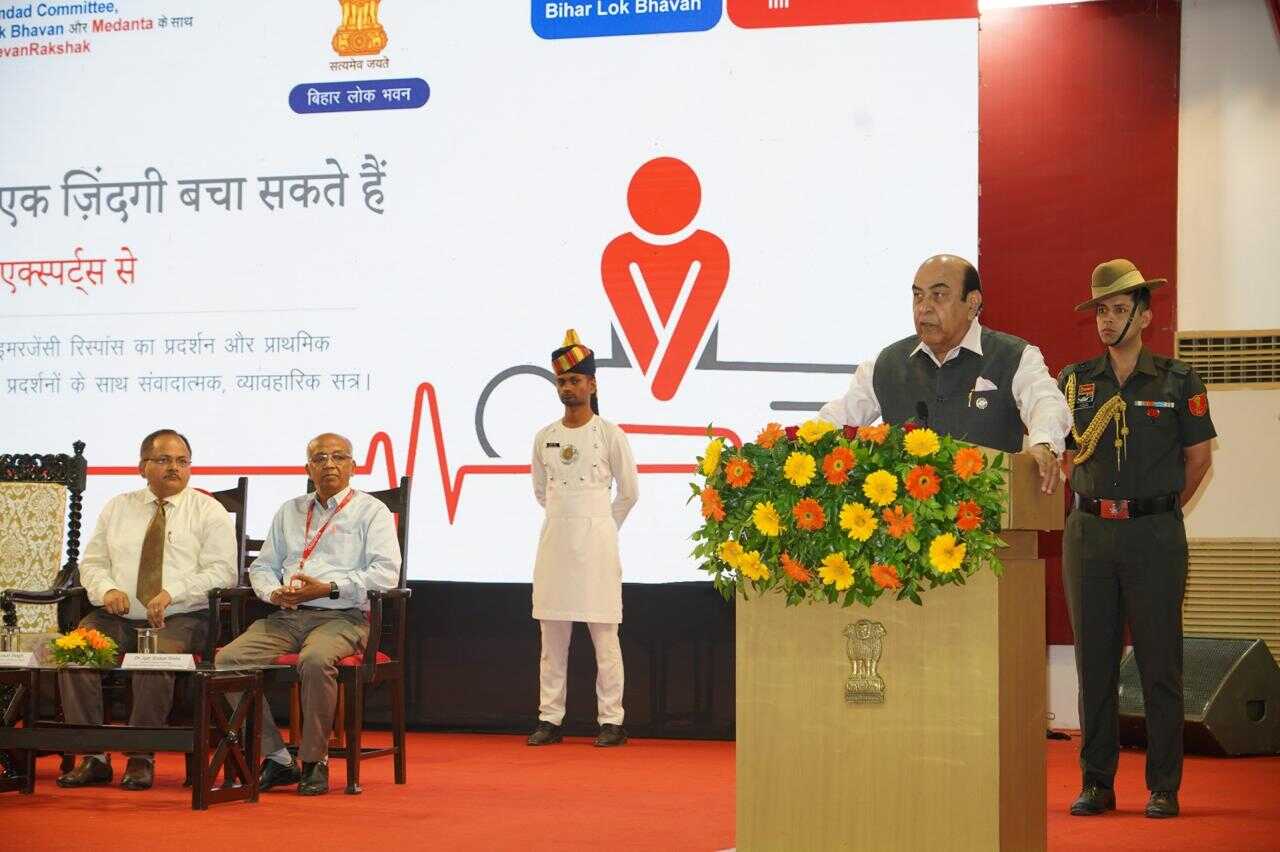
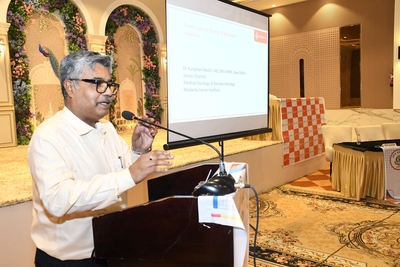
Dr. Medhi while addressing an event at Karnal, highlighted immunotherapy, which harnesses the body's own immune system to identify and destroy cancer cells. Unlike traditional treatments that directly target tumours, immunotherapy helps immune cells recognize and attack cancer, offering durable responses in selected patients.
Speaking on the topic “Cancer Care in the Era of Precision Medicine, Dr. Medhi said, “Immunotherapy is now being used across a wide range of cancers, including lung, kidney, colorectal, liver, breast, stomach, head and neck cancers, as well as malignant melanoma. In many patients, it has helped improve survival, control disease progression and enhance quality of life.”
Radiation therapy, another cornerstone of cancer treatment, has witnessed remarkable technological advances. Modern techniques such as Image-Guided Radiation Therapy (IGRT), Intensity-Modulated Radiation Therapy (IMRT), Volumetric Modulated Arc Therapy (VMAT) and Stereotactic Body Radiation Therapy (SBRT) enable highly accurate delivery of radiation while sparing surrounding healthy organs and tissues.
Dr. Mayur Mayank, Senior Consultant, Radiation Oncology at Medanta Gurugram, who was also present at the event, said, “Today's radiation therapy is vastly different from what it was even a decade ago. Greater precision means significantly lower toxicity, fewer complications and a much better quality of life for patients during and after treatment.”
An exciting new frontier in oncology is the growing synergy between radiation therapy and immunotherapy. Dr. Mayank said, “Research suggests that radiation can enhance the immune system's ability to recognize cancer cells, potentially amplifying the effectiveness of immunotherapy. This integrated approach is emerging as a promising strategy for improving outcomes in several advanced and difficult-to-treat cancers.”
The treatment landscape is also being transformed by targeted therapies and Antibody-Drug Conjugates (ADCs), which combine the precision of monoclonal antibodies with highly potent anti-cancer drugs. These therapies selectively target cancer cells while minimizing damage to healthy tissues, allowing patients to receive more effective treatment with fewer side effects.
Both Dr. Medhi and Dr. Mayank emphasized that while treatment innovations are changing the outlook for cancer patients, prevention and early detection remain equally important. Tobacco use, unhealthy lifestyles and delayed diagnosis continue to contribute significantly to the cancer burden in India.
Underscoring the critical role of early detection, Dr. Medhi said, “Nobody is immune to cancer, but awareness, early diagnosis and timely access to advanced treatment can make a profound difference. With precision medicine, immunotherapy, targeted therapies and modern radiation techniques, we are increasingly able to offer patients longer survival, better outcomes and an improved quality of life.”