


Neurological disease does not wait. Neurological emergencies like a stroke happen in minutes. Seizures that need diagnosis before the next one...
Neurological disease does not wait. Neurological emergencies like a stroke happen in minutes. Seizures that need diagnosis before the next one arrives. Encephalitis where the window between normal brain function and irreversible damage can be days. What this means practically is that for patients across Uttar Pradesh, they now have access to neurologists and neurosurgeons of the right calibre locally.
The Neurosciences department at Medanta Lucknow brings together neurologists, neurosurgeons, and a neuro-intensivist in a single clinical programme.
The breadth of this team is worth pausing on. Most hospitals in Lucknow offer either neurology or neurosurgery, rarely both at depth in the same unit. Medanta Lucknow has both, with neuro-anaesthesia and neurocritical care specialists embedded alongside them which allows the department to manage complex neurosurgical cases end-to-end.
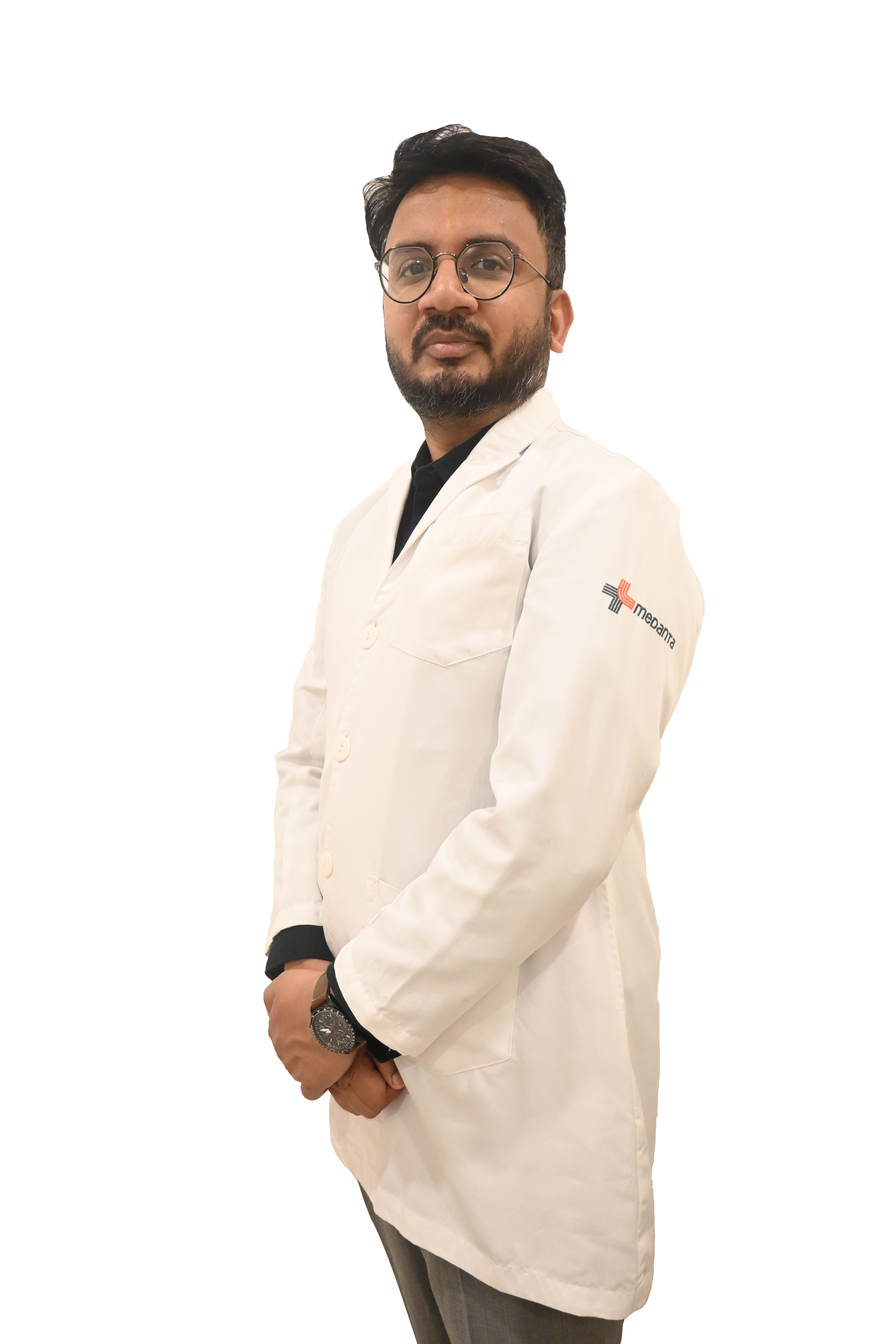
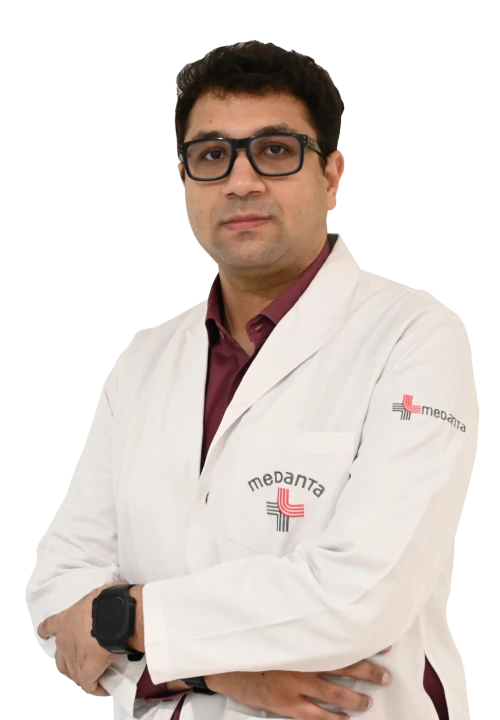
Dr. Anup Kumar Thacker, Director, has expertise in epilepsy, stroke, and headache. Dr. Ratish Juyal, also Director, clinical scope covers migraine and headache disorders, epilepsy, Parkinson's disease and movement disorders, and stroke. Dr. Sudhakar Pandey, Associate Director, holds a DM in Neurology and manages the same core areas: headache, stroke, epilepsy, and dementia including Parkinson's disease.
Dr. Vibhor Upadhyay, Senior Consultant, brings a specific focus on acute stroke management including intravenous thrombolysis, and on neuroimmunology - the management of multiple sclerosis, neuromyelitis optica, MOG antibody disease, myasthenia gravis, and inflammatory myopathies. These are conditions that require sustained specialist input rather than acute crisis management alone, and his explicit listing of neuroimmunology as a focus reflects a clinical practice built around this patient group. He also manages headaches and epilepsy.
The department covers the full range of adult neurological conditions. Stroke thrombolysis, the management of drug-resistant epilepsy, complex headache, the long-term monitoring of neurodegenerative conditions, and the immunological disorders of the nervous system are all within scope - without referral outside Lucknow.
Dr. Kamlesh Singh Bhaisora, Director, has expertise in vascular neurosurgery (cerebral aneurysms, AVMs, Moyamoya disease), neuro-oncology including brain tumours, skull base surgery using both open and endoscopic approaches, spinal surgery, and neurotrauma.
Dr. Ravi Shankar, Director, focuses specifically on cerebrovascular neurosurgery using both open and endovascular approaches, skull base surgery, endoscopic neurosurgery and minimally invasive techniques. Dr. Waseem Ahamed, Senior Consultant, has expertise in cerebrovascular neurosurgery, neuro-oncology, minimally invasive spine surgery and functional neurosurgery.
Dr. Shailesh Gupta, Associate Director, occupies a role that not every neurosciences department has - a dedicated neuroanesthesiologist and neurocritical care specialist. His scope covers neurocritical care and cerebral resuscitation, traumatic brain and spinal cord injury, intraoperative neuromonitoring during neurosurgical cases, high-risk neurosurgical procedures, and sepsis and multi-organ dysfunction in the neuro-ICU. His presence means that the neurosurgical team at Medanta Lucknow is not dependent on a general ICU or general anaesthetist for the peri-operative management of complex brain or spine cases.
What is the difference between neurology and neurosurgery and which one do I need?
Neurologists manage neurological conditions using medication, infusions, and structured clinical follow-up like stroke prevention, epilepsy medication, Parkinson's treatment, and multiple sclerosis disease-modifying therapy. Neurosurgeons operate on the brain, spine, and peripheral nerves. The starting point for the vast majority of neurological symptoms is a neurologist, who will determine whether the problem has a surgical dimension. Both specialities being available in the same department at Medanta Lucknow means that transition is handled internally rather than through an external referral.
My father had a stroke three days ago. Is it too late for thrombolysis?
For intravenous thrombolysis (the clot-dissolving drug) yes, the window is closed. IV thrombolysis must be given within four and a half hours of symptom onset. After that point it does not help and carries risk. A neurological assessment now is still important - both to confirm the diagnosis, identify the cause and reduce the risk of a second stroke, and to start rehabilitation planning. Bring him in.

 1068
1068
 Request Call Back
 Contact
 1068
1068

