1068
 Request Call Back
 Contact
 1068
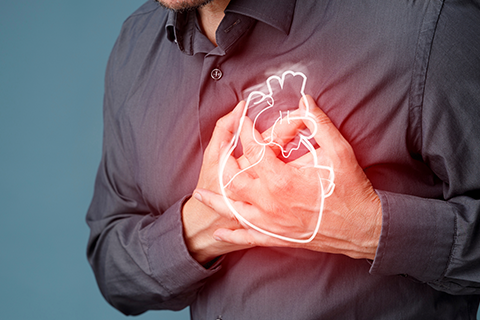
Heart Failure or Congestive heart failure (CHF) is a chronic and progressive medical condition in which the cardiac muscle or heart itself can no longer efficiently enough to meet the physical body’s demands and pump blood. Unlike what one would expect from the term, heart failure does not mean the heart has completely stopped working. It demonstrates that the heart cannot work properly and cannot produce full force. This inefficacy acts as a domino and affects many other physiological processes that ultimately can lower the quality of life of individuals and pose a serious hazard to health.
Types of Heart Failure
Heart failure consists of multiple types, all characterised by a unique mechanism and signs. Such types are crucial to ensure precise diagnoses and individualised treatment avenues. Here are the types of heart failure:
1. Left-sided vs. Right-sided Heart Failure:
Left-sided heart failure:
Systolic heart failure (HFrEF): Also known as reduced ejection fraction heart failure, this type occurs when the left ventricle loses its ability to contract effectively during systole, the phase of the heartbeat where the heart pumps blood out to the body. As a result, the heart can't pump with enough force to meet the body's demands, leading to reduced cardiac output.
Diastolic heart failure (HFpEF): Also referred to as preserved ejection fraction heart failure, this type occurs when the left ventricle loses its ability to relax normally during diastole, the phase when the heart fills with blood. The stiffening of the ventricle impairs its ability to fill adequately, reducing the volume of blood ejected with each heartbeat.
Right-sided heart failure: This develops when the right ventricle, responsible for pumping blood to the lungs, weakens. It often occurs as a complication of left-sided heart failure, where blood backs up into the right ventricle, causing it to overload and weaken. Right-sided heart failure symptoms can include:
Fluid buildup leading to swelling in the abdomen (belly) and legs
Enlarged liver
Increased neck vein pulsations
Severe fatigue and weakness
2. Other Classifications:
Biventricular heart failure: Both the left and right ventricles are weakened and failing.
High-output heart failure: This is a less common type where the heart pumps too much blood, often due to a condition like anaemia or thyrotoxicosis (overactive thyroid).
3. Emerging Category:
Heart failure with mid-range ejection fraction (HFmrEF): This is a newer classification for people with EF between 41% and 49%. They may experience symptoms similar to HFrEF or HFpEF, making diagnosis and treatment planning complex.
Symptoms of Heart Failure
Heart failure symptoms can vary depending on the severity of the condition and the individual. Here's a detailed breakdown of some common signs to watch out for:
Shortness of Breath (Dyspnea):
This is a hallmark symptom of heart failure and often worsens with activity or when lying down at night (nocturnal dyspnea).
You might feel like you can't catch your breath, and your breathing may become rapid and shallow.
Fluid buildup in the lungs due to heart failure can further restrict oxygen intake, causing this symptom.
Fatigue and Weakness:
Feeling constantly tired and lacking energy is a common complaint in heart failure.
This is because the weakened heart can't pump enough oxygen-rich blood to your muscles, leading to fatigue and reduced stamina.
Even simple activities like climbing stairs or walking short distances can feel exhausting.
Swelling in Ankles and Feet (Edema):
Fluid retention is a common consequence of heart failure.
As the heart struggles to pump blood efficiently, blood backs up in the veins, causing fluid to leak out into the tissues, particularly in the lower extremities due to gravity.
You might notice puffiness or swelling in your ankles and feet, which may worsen throughout the day and improve slightly with elevation.
Rapid or Irregular Heartbeat (Palpitations):
Heart failure can disrupt the heart's normal rhythm, leading to feelings of fluttering, racing, or irregular heartbeats.
This can be a cause for concern and may be accompanied by other symptoms like dizziness or light headedness.
Reduced Ability to Exercise (Exercise Intolerance):
As heart failure progresses, even mild physical activity can become difficult due to shortness of breath and fatigue.
You may find yourself needing to rest more frequently during daily activities or having trouble keeping up with your usual exercise routine.
Sudden Weight Gain:
Unexplained weight gain within a short period can be a sign of fluid buildup in heart failure.
This is different from weight gain due to fat accumulation and is often accompanied by swelling in the legs or abdomen.
What Causes Heart Failure?
Heart failure occurs when the heart is unable to pump blood efficiently, leading to inadequate circulation to meet the body's needs. Several medical conditions and lifestyle factors can contribute to heart failure:
1. Coronary Artery Disease (CAD)
The most common cause of heart failure.
Occurs when plaque buildup in the arteries reduces blood flow to the heart, weakening the heart muscle over time.
2. High Blood Pressure (Hypertension)
Forces the heart to work harder to pump blood.
Over time, this extra strain can weaken the heart and lead to failure.
3. Cardiomyopathy (Heart Muscle Disease)
Affects the heart muscle’s ability to pump effectively.
Can be caused by genetic factors, infections, alcohol abuse, or drug toxicity.
4. Heart Valve Disease
When heart valves don’t open or close properly, blood flow is disrupted.
This forces the heart to work harder, eventually leading to heart failure.
5. Arrhythmias (Irregular Heartbeats)
Abnormal heart rhythms can weaken the heart over time.
Extremely fast heartbeats reduce efficiency, while slow rhythms may not pump enough blood.
6. Diabetes
Increases the risk of high blood pressure and coronary artery disease.
High blood sugar levels can damage blood vessels and the heart muscle.
7. Obesity
Excess weight strains the heart, leading to high blood pressure and other cardiovascular diseases.
8. Thyroid Disorders
An overactive or underactive thyroid can affect heart function.
Hyperthyroidism may cause rapid heartbeats, while hypothyroidism can weaken heart contractions.
9. Excessive Alcohol and Drug Use
Alcohol and drugs like cocaine or amphetamines can damage the heart muscle.
Chronic alcohol consumption can lead to alcoholic cardiomyopathy.
10. Chronic Lung Diseases
Conditions like chronic obstructive pulmonary disease (COPD) can put extra pressure on the heart.
11. Congenital Heart Defects
Some people are born with structural heart problems that can lead to heart failure later in life.
12. Infection and Inflammation
Viral infections can cause myocarditis, which weakens the heart muscle and affects pumping ability.
Managing risk factors and leading a heart-healthy lifestyle can help prevent heart failure. Regular medical check-ups and early intervention can improve outcomes.
How to Prevent Heart Failure?
While you can't completely eliminate your risk of heart failure, there are significant lifestyle changes you can make to significantly lower your chances of developing it. Here are some key areas to focus on:
Maintain a Healthy Weight: Being overweight or obese puts a strain on your heart. Aim for a healthy body mass index (BMI) through a combination of balanced diet and regular exercise.
Eat a Heart-Healthy Diet:
Focus on fruits, vegetables, and whole grains: These are packed with essential nutrients and fibre, which can help lower blood pressure and cholesterol.
Choose lean protein sources: Opt for fish, skinless chicken, beans, and lentils instead of fatty cuts of red meat.
Limit unhealthy fats: Saturated and trans fats found in processed foods, fried items, and red meat can increase your risk of heart disease. Choose healthy fats like those found in olive oil, avocados, and nuts instead.
Reduce sodium intake: Excessive salt can contribute to high blood pressure. Limit processed foods, and restaurant meals, and added table salt in your cooking.
Exercise Regularly: Aim for at least 150 minutes of moderate-intensity aerobic activity (brisk walking, swimming, cycling) or 75 minutes of vigorous-intensity exercise (running, jumping jacks) per week.
Manage Stress: Chronic stress can elevate blood pressure and negatively impact your heart health. Find healthy ways to manage stress, such as yoga, meditation, deep breathing exercises, or spending time in nature.
Control Your Blood Pressure and Cholesterol Levels: Regularly monitor your blood pressure and cholesterol levels through checkups. If they're elevated, work with your doctor to manage them through medication, lifestyle changes, or both.
Don't Smoke: Smoking damages your blood vessels and increases your risk of heart disease, a major contributor to heart failure. Quitting smoking is one of the most significant things you can do for your heart health.
Limit Alcohol Consumption: Excessive alcohol consumption can raise blood pressure and weaken your heart muscle. Talk to your doctor about a healthy limit for you.
See Your Doctor Regularly: Schedule regular checkups with your doctor to monitor your heart health, identify any risk factors early, and address them proactively.
Get Enough Sleep: Aim for 7-8 hours of quality sleep each night. Poor sleep can contribute to high blood pressure and other health problems that increase your risk of heart failure.
Diagnosis of Heart Failure
While the previous section provided a basic overview, diagnosing heart failure involves a multi-step approach to get a clear picture of your heart's health. Here's a more detailed breakdown of the diagnostic process:
1. Medical History and Physical Exam:
Your doctor will start by discussing your medical history, including past illnesses, medications, surgeries, and family history of heart disease. This helps identify potential risk factors.
During the physical exam, your doctor will:
Listen to your heart and lungs for abnormal sounds like a whooshing murmur, which might indicate problems with blood flow.
Check for signs of fluid buildup in your ankles, legs, or abdomen.
Measure your blood pressure and pulse.
2. Imaging Tests:
Chest X-ray: This provides a general view of your heart and lungs. It can show an enlarged heart size or fluid buildup in the lungs, suggesting heart failure.
Electrocardiogram (ECG): ECG is a painless test measures the electrical activity of your heart. It can detect abnormal heart rhythms and damage from previous heart attacks.
Echocardiogram: This uses sound waves to create detailed images of your heart's structure and function. It's the most valuable test in diagnosing heart failure, as it can assess the pumping strength of your heart chambers, valve function, and presence of blood clots.
Heart Failure Stages
Heart failure is often classified into stages (A-D) based on a system developed by the American College of Cardiology (ACC) and the American Heart Association (AHA). These stages categorise the severity of the condition based on two key factors:
Structural abnormalities: This refers to any underlying damage to the heart muscle or valves.
Symptoms: This considers the presence and severity of symptoms you experience, such as shortness of breath or fatigue.
Here's a breakdown of the heart failure stages:
Stage A: This is the earliest stage, often referred to as "at high risk for heart failure." Here, there are structural abnormalities in the heart, but you don't experience any symptoms of heart failure yet.
Stage B: This stage signifies "structural heart disease." Similar to stage A, there are structural abnormalities present, but you still might not have any noticeable symptoms. However, this stage highlights an increased risk of developing heart failure symptoms in the future.
Stage C: This stage is classified as "heart failure with mild symptoms." Here, structural abnormalities are present, and you experience mild symptoms of heart failure, typically only during physical activity. These symptoms may include shortness of breath or fatigue when exercising.
Stage D: This is the most advanced stage, categorised as "heart failure with severe symptoms." At this stage, structural abnormalities are significant, and you experience significant symptoms of heart failure, even at rest. These symptoms may be constant and limit your daily activities severely.
It's important to understand that heart failure can progress through these stages. Early detection and intervention are crucial to prevent progression and improve your quality of life. Here's what this means for each stage:
Stage A & B: In these early stages, the focus is on preventing the development of symptoms. Lifestyle modifications like healthy diet, exercise, and weight management are crucial. Medications might also be prescribed to address underlying conditions like high blood pressure.
Stage C & D: At these later stages, the goal becomes managing your symptoms and slowing the progression of the disease. Treatment options may include medications like diuretics to reduce fluid buildup, ACE inhibitors or beta-blockers to improve heart function, and potentially stronger medications tailored to your specific needs. In some cases, medical devices like pacemakers or defibrillators might be necessary.
Heart Failure Treatment and Management
Heart failure management goes beyond just medication, although medications play a vital role. Here's a deeper dive into the different treatment approaches:
Medications:
Diuretics: These help remove excess fluid buildup in the body, easing congestion and breathing difficulties.
ACE inhibitors and Angiotensin II Receptor Blockers (ARBs): These medications relax blood vessels, allowing the heart to pump more efficiently and lowering blood pressure.
Beta-blockers: They slow down the heart rate and reduce workload, improving heart function.
Other medications: Depending on your specific needs, doctors might prescribe medications to manage cholesterol, blood clots, or heart rhythm problems.
Medical Devices:
Pacemakers: These tiny devices regulate your heartbeat if you have a slow or irregular rhythm.
Implantable Cardioverter-Defibrillators (ICDs): These monitor your heart rhythm and deliver electric shocks to correct life-threatening arrhythmias.
Ventricular Assist Devices (VADs): In severe cases, VADs mechanically assist the heart by pumping blood throughout the body.
Surgical Procedures:
Coronary artery bypass graft (CABG): This surgery reroutes blood flow around blocked arteries, improving blood supply to the heart muscle.
Valve replacement or repair: If heart valves are malfunctioning, surgery can correct or replace them, enhancing heart function.
Catheter-based procedures: In some cases, minimally invasive procedures can open blocked arteries or repair leaky valves.
Lifestyle Modifications:
Diet: A heart-healthy diet low in salt, saturated fats, and added sugar is crucial. Focus on fruits, vegetables, whole grains, and lean protein.
Exercise: Regular physical activity, tailored to your fitness level, strengthens your heart, improves circulation, and boosts energy levels. Cardiac rehabilitation programs are highly recommended.
Weight Management: Maintaining a healthy weight reduces strain on your heart.
Smoking Cessation: Smoking damages your heart and blood vessels. Quitting smoking is essential for improving heart health.
Stress Management: Chronic stress can worsen heart failure symptoms. Techniques like meditation, yoga, or relaxation exercises can help.
Fluid Management: Limiting fluids, especially if you have significant swelling, is important.
Sleep: Getting enough quality sleep allows your body to rest and repair itself.
Heart Failure Road to Recovery and Aftercare
Living with heart failure requires ongoing management, but it also paves the way for a strong recovery and a fulfilling life. Here's a detailed look at what to expect on the road to recovery and how to manage heart failure effectively:
Rehabilitation is Key:
Cardiac Rehabilitation: This medically supervised program is a cornerstone of recovery. It helps you gradually increase your activity level safely and effectively, improving your heart health, stamina, and overall well-being. It also provides education on managing your condition and preventing complications.
Lifestyle Modifications Make a Big Difference:
Diet: A heart-healthy diet is crucial. Focus on fruits, vegetables, whole grains, lean protein, and low-fat dairy products. Limit salt, saturated fats, and added sugars. A doctor or registered dietician can help create a personalised plan.
Exercise: Regular physical activity is essential. Start slowly with your doctor's guidance and gradually increase intensity and duration as tolerated. Aim for at least 30 minutes of moderate-intensity exercise most days of the week.
Weight Management: Maintaining a healthy weight reduces stress on your heart. If you're overweight, losing even a small amount can significantly improve your heart health.
Stress Management: Chronic stress can worsen heart failure symptoms. Practice relaxation techniques like yoga, meditation, or deep breathing exercises to manage stress effectively.
Sleep: Getting enough quality sleep (7-8 hours per night) is vital for overall health and heart function.
Medications and Follow-Up Care:
Medication Adherence: Taking your medications as prescribed is critical for managing heart failure symptoms and preventing complications. Don't hesitate to ask your doctor if you have any questions or experience side effects.
Regular Doctor Visits: Schedule regular appointments with your doctor to monitor your progress, adjust medications as needed, and address any concerns you might have.
FAQs
What is heart failure?
Heart failure is a condition where the heart cannot pump blood efficiently enough to meet the body's needs, leading to symptoms like shortness of breath, fatigue, and fluid buildup.
What are the main types of heart failure?
There are two main types: left-sided heart failure, where the left ventricle fails, and right-sided heart failure, which often results from left-sided failure but can occur independently.
What causes heart failure?
Common causes include coronary artery disease, high blood pressure, cardiomyopathy, heart attacks, valvular heart disease, and arrhythmias.
What are the symptoms of heart failure?
Symptoms include shortness of breath, fatigue, swelling in the legs and abdomen, rapid heartbeat, persistent cough, and increased need to urinate at night.
How is heart failure diagnosed?
Diagnosis involves medical history, physical exams, and tests like echocardiograms, electrocardiograms (ECG), chest X-rays, blood tests, and stress tests.
Can heart failure be cured?
Heart failure is a chronic condition with no cure, but it can be managed with medications, lifestyle changes, and sometimes surgical interventions to improve quality of life.
What medications are commonly used to treat heart failure
Common medications include ACE inhibitors, beta-blockers, diuretics, aldosterone antagonists, and digoxin to help improve heart function and reduce symptoms.
Are lifestyle changes important in managing heart failure?
Yes, lifestyle changes such as a heart-healthy diet, regular exercise, smoking cessation, and weight management are crucial in managing heart failure.
What dietary changes should be made for heart failure?
A low-sodium diet, rich in fruits, vegetables, lean proteins, and whole grains, is recommended to help manage symptoms and improve heart health.
How does exercise benefit heart failure patients?
Regular exercise improves cardiovascular health, enhances energy levels, and can help reduce symptoms, but it should be tailored to individual capabilities and supervised by a healthcare provider.
What is the prognosis for someone with heart failure?
The prognosis varies based on the severity of the condition, underlying causes, and how well the patient follows treatment plans and lifestyle changes.
Can heart failure be prevented?
While not all cases can be prevented, reducing risk factors like high blood pressure, obesity, smoking, and controlling diabetes can lower the risk of developing heart failure.
What is an echocardiogram?
An echocardiogram is an imaging test that uses ultrasound waves to create pictures of the heart, helping doctors assess its structure and function.
What role do beta-blockers play in heart failure treatment?
Beta-blockers reduce heart rate and blood pressure, decreasing the heart's workload and improving heart function over time.
What is congestive heart failure?
Congestive heart failure specifically refers to the stage of heart failure where fluid builds up in the lungs, liver, and other parts of the body.
Can heart failure cause other health complications?
Yes, it can lead to complications like kidney damage, liver damage, arrhythmias, stroke, and severe fluid retention.
What is the role of diuretics in treating heart failure?
Diuretics help remove excess fluid from the body, reducing symptoms like swelling and shortness of breath.
Is heart failure hereditary?
Genetics can play a role, especially in conditions like cardiomyopathy, but lifestyle and environmental factors are also significant contributors.
How does high blood pressure lead to heart failure?
High blood pressure forces the heart to work harder, which can weaken the heart muscle over time and lead to heart failure.
Can stress cause heart failure?
Chronic stress can contribute to heart disease and exacerbate heart failure, but it is rarely a direct cause on its own.
What are ACE inhibitors, and how do they help in heart failure
ACE inhibitors relax blood vessels, lower blood pressure, and reduce the heart's workload, helping to improve heart function and symptoms.
What should I do if I experience symptoms of heart failure?
If you experience symptoms like shortness of breath, unexplained fatigue, or swelling, seek medical attention promptly for evaluation and treatment.
How is right-sided heart failure different from left-sided heart failure?
Right-sided heart failure affects the right ventricle's ability to pump blood to the lungs, often causing fluid buildup in the legs and abdomen, while left-sided heart failure primarily affects the lungs.
What is cardiomyopathy?
Cardiomyopathy is a disease of the heart muscle that can lead to heart failure, characterised by the heart's inability to pump blood effectively.
Can I travel if I have heart failure?
Many people with heart failure can travel, but it's important to plan ahead, manage medications, and consult with a healthcare provider to ensure safety.
What is a heart-healthy diet?
A heart-healthy diet includes plenty of fruits, vegetables, whole grains, lean proteins, and healthy fats while limiting sodium, sugar, and saturated fats.
How often should I see my doctor if I have heart failure?
Regular follow-up appointments, typically every 3-6 months, are crucial to monitor the condition, adjust treatments, and manage symptoms.
What is the role of a pacemaker in heart failure treatment?
A pacemaker can help regulate heart rhythms, improving the heart's efficiency and reducing symptoms in some heart failure patients.
Can children develop heart failure?
Yes, heart failure can occur in children due to congenital heart defects, infections, or other conditions, though it is less common than in adults.
What is the significance of fluid management in heart failure
Managing fluid intake and monitoring weight can help prevent fluid overload, a common complication in heart failure.
Can heart failure cause cognitive issues?
Yes, reduced blood flow to the brain can lead to cognitive impairments such as memory loss, confusion, and difficulty concentrating.
Is heart transplantation an option for heart failure?
For severe cases unresponsive to other treatments, heart transplantation can be a viable option, though it involves significant risks and lifestyle changes.
What is the difference between acute and chronic heart failure?
Acute heart failure develops suddenly and can be life-threatening, while chronic heart failure is a long-term condition that gradually worsens over time.
How does diabetes affect heart failure?
Diabetes increases the risk of heart failure due to the damaging effects of high blood sugar on blood vessels and the heart muscle.
What is a defibrillator, and how does it help heart failure patients
An implantable cardioverter-defibrillator (ICD) can correct dangerous arrhythmias, preventing sudden cardiac death in heart failure patients.
Can heart failure patients exercise safely?
Yes, with medical guidance, many heart failure patients can engage in safe, supervised exercise programs tailored to their condition.
How does smoking affect heart failure?
Smoking damages blood vessels, raises blood pressure, and accelerates the progression of heart failure, making cessation critical.
What role do aldosterone antagonists play in heart failure treatment?
Aldosterone antagonists help reduce fluid retention and improve heart function by blocking the effects of aldosterone, a hormone that can worsen heart failure.
Can pregnancy affect heart failure?
Pregnancy can strain the heart, and women with heart failure require careful monitoring and management to ensure maternal and foetal health.
What is the importance of weight management in heart failure
Maintaining a healthy weight reduces the heart's workload and can help manage symptoms and improve overall heart function.
Can alcohol consumption worsen heart failure?
Excessive alcohol can weaken the heart muscle and worsen heart failure symptoms, so moderation or avoidance is recommended.
What is the significance of a low-sodium diet in heart failure
Reducing sodium intake helps prevent fluid retention, decreasing the burden on the heart and alleviating symptoms like swelling and shortness of breath.
How do arrhythmias impact heart failure?A
arrhythmias can reduce the heart's efficiency, exacerbate symptoms, and increase the risk of complications in heart failure patients.
What is the role of blood tests in managing heart failure?
Blood tests help monitor kidney and liver function, assess electrolyte levels, and detect markers of heart failure severity.
Can alternative therapies help manage heart failure?
While alternative therapies like acupuncture and yoga may provide symptom relief and stress reduction, they should complement, not replace, conventional treatments.
What is the impact of sleep apnea on heart failure?
Sleep apnea can worsen heart failure by causing fluctuations in blood oxygen levels and increasing cardiovascular strain, making treatment essential.
Why is patient education important in heart failure management
Educating patients about heart failure helps them understand their condition, adhere to treatment plans, and make informed lifestyle choices to improve outcomes.
Can a healthy lifestyle reverse heart failure?
While a healthy lifestyle can significantly improve symptoms and quality of life, heart failure is generally a progressive condition that cannot be fully reversed.
What should I do in a heart failure emergency?
In a heart failure emergency, such as severe shortness of breath, chest pain, or fainting, seek immediate medical attention by calling emergency services.
Can heart failure lead to sudden cardiac death?
Yes, heart failure can increase the risk of sudden cardiac death, particularly in patients with severe symptoms or arrhythmias, highlighting the importance of regular medical care and monitoring.