1068
1068
 Request Call Back
 Contact
 1068
1068
Robotic Surgery for Benign Colorectal Diseases: Benefits, Procedure & Recovery
Published on: Jul 28, 2026
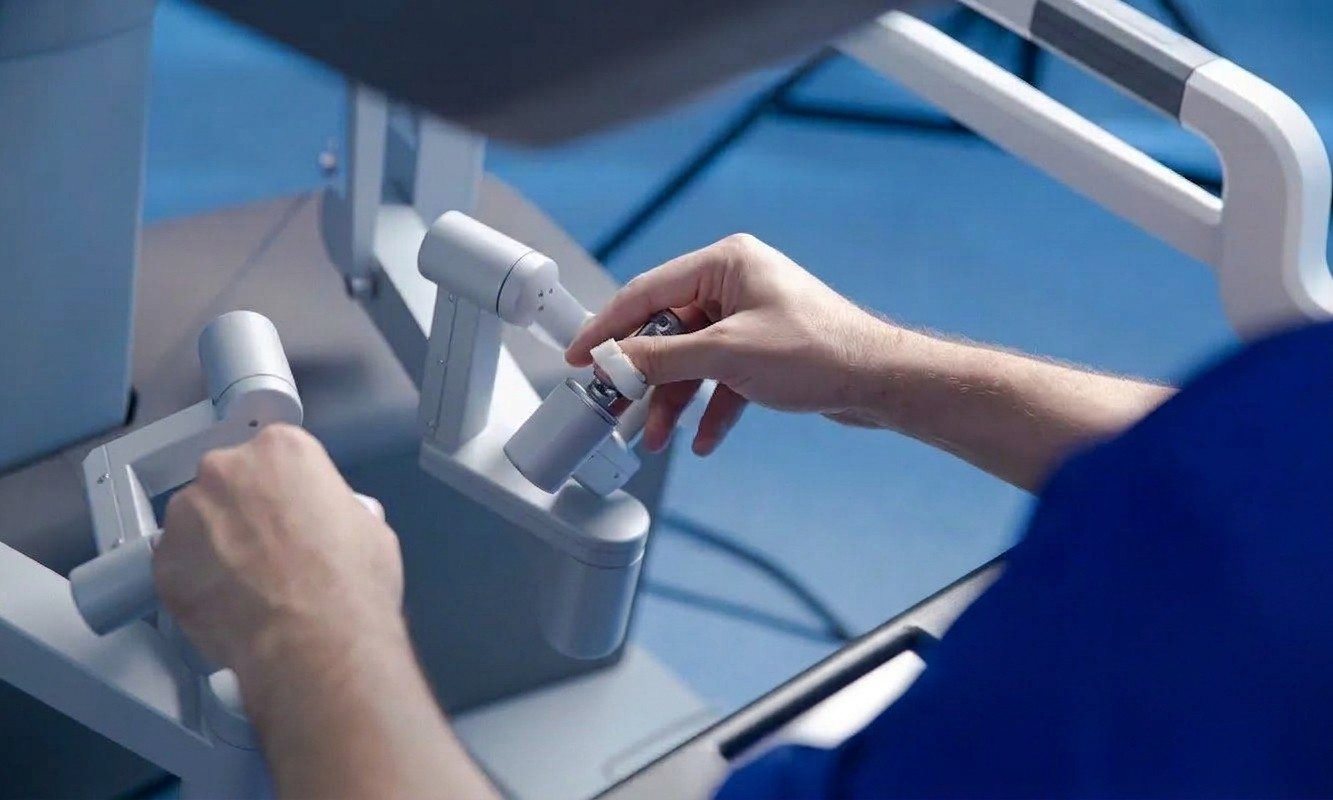
TABLE OF CONTENTS
- What Is Considered a Benign Colorectal Disease?
- What Is Robotic Colorectal Surgery?
- Robotic vs Traditional (Open) Colorectal Surgery
- Robotic vs Laparoscopic Colorectal Surgery
- Benefits of Robotic Surgery for Benign Colorectal Conditions
- The Robotic Colorectal Surgery Procedure: Step by Step
- Risks and Potential Complications
- Recovery Timeline After Robotic Colorectal Surgery
- Conclusion
- FAQs
Colorectal surgery has traditionally carried a reputation for long recovery, significant post-operative pain and noticeable scarring. Robotic surgery has changed that picture considerably particularly for benign conditions where patients are otherwise healthy and have good reason to want the fastest possible return to normal life. Understanding what robotic assistance actually adds and where its limits lie helps patients approach the decision with realistic expectations.
What Is Considered a Benign Colorectal Disease?
Benign colorectal diseases are non-cancerous conditions affecting the colon, rectum or anus. They cover a wide clinical spectrum, from inflammatory conditions to structural problems that cause significant symptoms despite posing no malignant threat. These are:
Inflammatory bowel disease: Crohn's disease and ulcerative colitis
Diverticular disease: Inflammation or perforation of small pouches that form in the colon wall
Rectal prolapse: The rectum protrudes through the anus, causing incontinence and discomfort
Colorectal polyps: Non-cancerous growths that can't be removed endoscopically due to size or location
Faecal incontinence from sphincter dysfunction or prior obstetric injury
Rectocele and other pelvic floor disorders producing obstructed defecation
What Is Robotic Colorectal Surgery?
Robotic colorectal surgery uses a surgeon-controlled robotic system most commonly the da Vinci platform to operate through small port incisions. The surgeon sits at a console, manipulating instruments on robotic arms that translate hand movements into precise, tremor-filtered actions inside the patient's body.
A magnified 3D camera provides superior visualisation compared to standard laparoscopy, particularly in the deep, narrow pelvis where dissection requires working around critical nerves and vessels.
Robotic vs Traditional (Open) Colorectal Surgery
Key differences are:
Incision: Multiple small ports versus a single long abdominal incision
Blood loss: Consistently lower in robotic cases, reducing transfusion rates
Hospital stay: Two to three days robotic versus five to seven days open in most series
Return to normal activities: Two to three weeks robotic versus six to eight weeks open surgery
Wound infection risk: Significantly lower with small port incisions
Post operative pain: Substantially less without a long abdominal wound
Open surgery retains a role in very complex or emergency situations where rapid access and direct manual control are priorities.
Robotic vs Laparoscopic Colorectal Surgery
Both use small ports but their technical characteristics differ clinically:
Visualisation: Robotic offers 3D magnified imaging versus 2D flat laparoscopic view - a meaningful advantage in deep pelvic dissection
Instrument articulation: Robotic instruments bend and rotate in seven degrees of freedom; laparoscopic instruments offer four, limiting reach in narrow spaces
Tremor filtering: Robotic systems filter physiological hand tremor; laparoscopy does not
Tactile feedback: Laparoscopy provides some haptic sense; robotic surgery currently does not
Setup time: Robotic cases require longer setup and docking however experienced teams narrow this gap considerably
For most colonic procedures, outcomes are broadly comparable in experienced hands. Robotic surgery's advantage is most demonstrable in rectal surgery, where the narrow pelvis limits what standard laparoscopic instruments can reach.
Benefits of Robotic Surgery for Benign Colorectal Conditions

For patients with rectal prolapse, IBD requiring resection or complex diverticular disease, the benefits translate into lived experience. Less pain means earlier mobilisation; earlier mobilisation reduces deep vein thrombosis risk and speeds recovery. Smaller wounds mean lower infection rates particularly important in patients on immunosuppressive therapy for inflammatory bowel disease.
Nerve preservation during pelvic dissection is a specific robotic advantage - the magnified 3D view makes identification and protection of autonomic nerves governing bladder and sexual function more reliable than in open surgery, a meaningful consideration for younger patients with decades of life ahead.
The Robotic Colorectal Surgery Procedure: Step by Step
Steps are:
Under general anaesthesia, the patient is positioned to allow gravity to shift bowel away from the operative field.
Four to five small port incisions typically 8 to 12mm each are placed in the abdomen. Carbon dioxide inflates the cavity for working space.
The robotic system docks to the ports and the surgeon moves to the console.
Through the robotic arms, the surgeon mobilises the bowel segment, divides the blood supply and performs resection or repair.
A specimen is extracted through a small incision extended from an existing port.
Bowel continuity is restored with a stapled or hand-sewn anastomosis.
Ports are removed and wounds closed.
Risks and Potential Complications
Anastomotic leak (the reconnected bowel failing to heal) is the most feared complication of colorectal surgery, occurring in a small percentage of cases regardless of approach. Other complications are:
Infection
Bleeding
Adjacent organ injury
Equipment failures (rare) during surgery that require conversion to open technique.
Recovery Timeline After Robotic Colorectal Surgery
Fluids begin the same evening as surgery, progressing to a light diet within 24 to 48 hours. Physiotherapy including sitting, standing and short walks starts on day one. Discharge follows within two to three days in uncomplicated cases. At home, light activities resume within the first week; driving waits until off prescription analgesia, typically two weeks. Desk work follows at two to three weeks, physical work at six weeks.
Conclusion
Robotic surgery represents a genuine advance over open surgery for benign colorectal conditions, with consistently better short-term outcomes in pain, hospital stay and recovery. Whether it outperforms skilled laparoscopy depends on the specific procedure - its clearest advantage is in rectal surgery and pelvic dissection. The most important decision remains choosing an experienced colorectal surgeon at a high-volume hospital.
FAQs
What is robotic surgery for benign colorectal disease?
Robotic colorectal surgery uses a surgeon-controlled robotic system to operate through small port incisions on non-cancerous conditions of the colon and rectum including inflammatory bowel disease, diverticulitis, rectal prolapse, and large polyps offering faster recovery than traditional open surgery.
Is robotic colorectal surgery safe for non-cancerous conditions?
Yes with comparable safety profiles to laparoscopic surgery in experienced hands. The technique is well-established for benign indications and its minimally invasive nature is particularly beneficial for patients who are otherwise healthy & have specific recovery goals.
What is the difference between robotic and laparoscopic colorectal surgery?
Both use small port incisions but robotic surgery offers 3D magnified vision, seven-degree instrument articulation and tremor filtering. These advantages are most clinically significant in deep pelvic rectal surgery. Laparoscopic surgery offers some haptic feedback that robotic currently doesn't. For many colonic procedures, outcomes are broadly comparable.
How long does recovery take after robotic colorectal surgery?
Most patients go home within two to three days. Light activities resume within a week; desk work at two to three weeks; physical work at six weeks. Full recovery varies with the extent of the procedure performed.
What conditions can robotic colorectal surgery treat?
Inflammatory bowel disease requiring resection, complicated diverticular disease, rectal prolapse, large or complex colorectal polyps, rectocele and pelvic floor disorders and faecal incontinence from structural causes are all within robotic colorectal scope.
Is robotic colorectal surgery more expensive than traditional surgery?
Yes robotic colorectal surgery is more expensive, due to the cost of the robotic system and longer operative time. In Indian private hospitals, the premium is significant. For most benign conditions, experienced laparoscopic surgery offers comparable outcomes at lower cost and is a sound alternative.
How long does robotic colorectal surgery take?
Two to four hours for most benign procedures, depending on complexity and the extent of resection required. Setup and docking add time compared to laparoscopy though experienced teams narrow this gap considerably.
What are the risks of robotic colorectal surgery?
Anastomotic leak, wound infection, bleeding, DVT and adjacent organ injury are the primary risks. Equipment failure requiring conversion to open technique is rare but possible. Overall risk profiles are broadly comparable to laparoscopic surgery in experienced hands.
Will I need a colostomy bag after robotic colorectal surgery?
Not routinely for most benign conditions. A temporary stoma may be created to protect a bowel anastomosis in higher-risk cases — typically reversed at a second procedure three to six months later. Permanent stoma is uncommon in surgery for benign disease.
How soon can I eat and walk after robotic colorectal surgery?
Sipping fluids usually begins the same evening as surgery, progressing to a light diet within 24 to 48 hours. Short walks with physiotherapy support start on day one post-operatively. Both are components of enhanced recovery protocols used at most centres performing this surgery.
Who is not a candidate for robotic colorectal surgery?
Patients with certain cardiac or respiratory conditions may require open surgery. Dense adhesions from multiple previous abdominal operations, emergency surgery for perforation or obstruction, and unavailability of robotic expertise at the treating centre are other reasons the robotic approach may not be appropriate.