1068
1068
 Request Call Back
 Contact
 1068
1068
Hibiscus Tea Benefits: Nutrition, Weight Loss and Side Effects
Published on: Sep 24, 2026
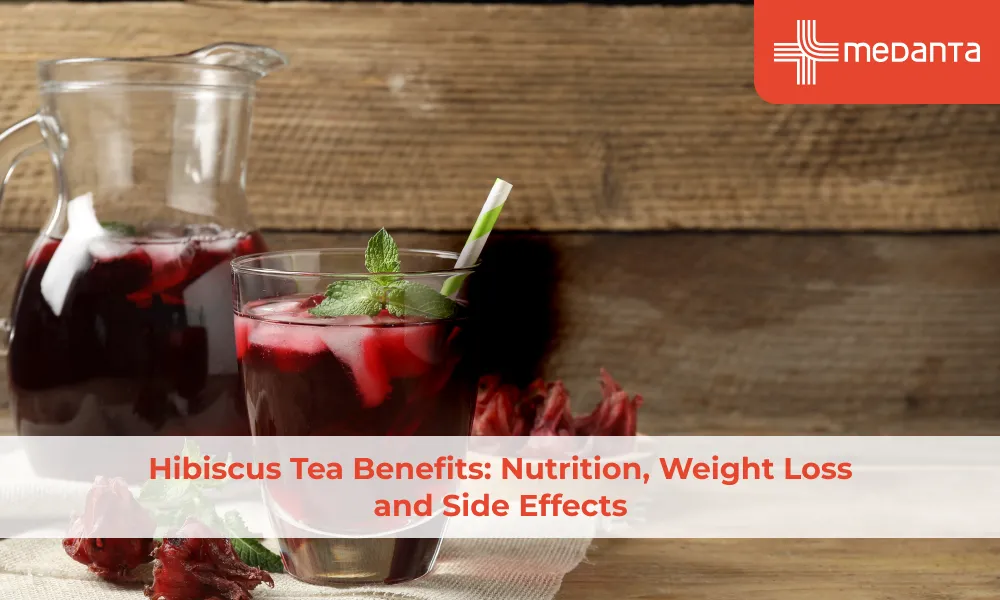
TABLE OF CONTENTS
- What Is Hibiscus Tea? (Hibiscus Flower and Leaves)
- Health Benefits of Hibiscus Tea
- Hibiscus Tea for Weight Loss - Does It Work?
- Is Hibiscus Tea Healthy for Daily Use?
- Hibiscus Tea vs Green Tea
- Other Uses of Hibiscus
- How to Make Hibiscus Tea at Home?
- Best Time to Drink Hibiscus Tea
- Side Effects and Who Should Avoid Hibiscus Tea
- Conclusion
- FAQs
- References
Hibiscus tea is one of the most widely consumed herbal teas in the world. Its distinctive deep red colour, tart cranberry-like flavour and growing body of clinical evidence for cardiovascular and metabolic benefits have made it increasingly popular in India, where it is available as a cooling summer drink in many households.
Unlike black tea or green tea, hibiscus tea is naturally caffeine-free. It is rich in anthocyanins, polyphenols, organic acids, vitamin C and flavonoids - a combination that results in its antioxidant, anti-inflammatory, antihypertensive and metabolic properties.
What Is Hibiscus Tea? (Hibiscus Flower and Leaves)
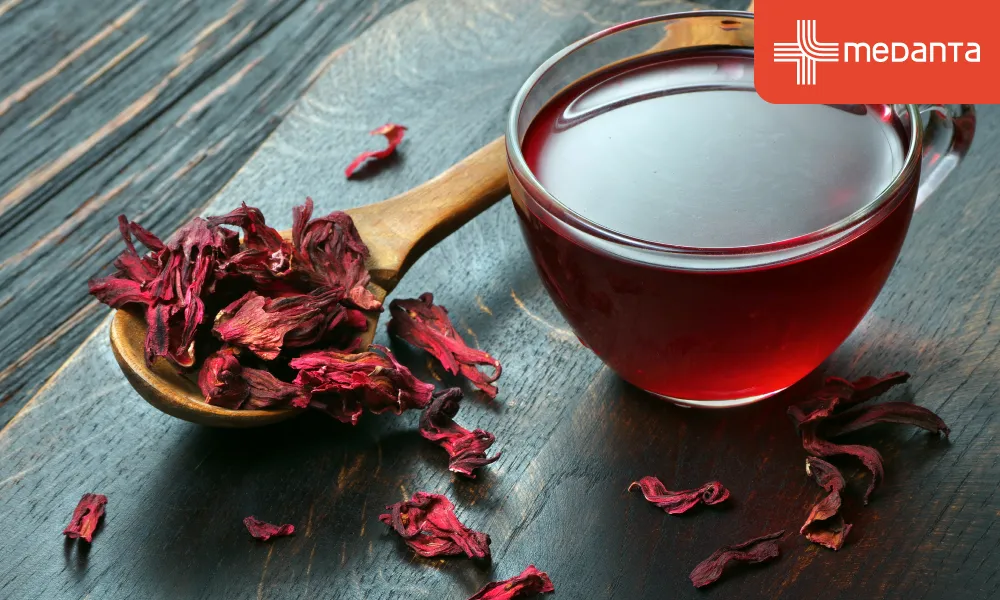
Hibiscus tea is most commonly made from the dried calyces (the fleshy outer part of the flower) of Hibiscus sabdariffa (the roselle variety of hibiscus). When steeped in hot or cold water, they release a deep red infusion with a tartly acidic flavour similar to cranberry or pomegranate.
Hibiscus is known by different names across India - Gudhal in Hindi, Sembaruthi in Tamil, Mandara in Telugu, and Chembarathi in Malayalam. The ornamental red hibiscus (Hibiscus rosa-sinensis) is the variety most widely used for tea-making in India. Hibiscus leaves are also used in food and traditional medicine.
Health Benefits of Hibiscus Tea
They are:
Lowers blood pressure: Hibiscus tea contains natural compounds that help relax blood vessels and when consumed regularly, it may support healthy blood pressure levels
Reduces LDL cholesterol and triglycerides: Regular consumption of hibiscus tea (two to three cups per day for four to six weeks) produces significant reductions in total cholesterol, LDL cholesterol and triglycerides, along with increases in HDL (good) cholesterol
Antioxidant and anti-inflammatory activity: The anthocyanins and polyphenols in hibiscus calyces are potent antioxidants that neutralise free radicals, reduce markers of systemic inflammation (including CRP and IL-6) and activate the Nrf2 pathway (the cellular signalling pathway that upregulates the body's own antioxidant defences).
Liver-protective effects: Some research suggests hibiscus may help reduce fat buildup in the liver, supporting healthier liver function overall.
Supports kidney health: Its mild diuretic effect may help increase urine output supporting normal kidney function in otherwise healthy individuals.
Hibiscus Tea for Weight Loss - Does It Work?
Hibiscus tea plays a modest but genuine role in weight management. It contains compounds that inhibit amylase and lipase, slightly reducing calorie absorption and blunting post meal glucose spikes. A study found that adults taking 450mg of hibiscus extract daily saw meaningful reductions in weight, BMI, body fat and waist-to-hip ratio (compared to placebo). It's also calorie-free, so swapping sugary drinks for hibiscus tea can create a real calorie deficit over time. That said, it isn't a weight loss drug on its own; its real value lies in supporting a balanced, calorie-controlled diet.
Is Hibiscus Tea Healthy for Daily Use?
For most healthy adults one to three cups of hibiscus tea per day is safe and beneficial for daily use. Its established benefits for blood pressure, cholesterol, antioxidant status and liver health make it a genuinely health-supportive daily beverage. It is naturally caffeine-free and can be consumed in the evening without disrupting sleep. However, very high consumption more than four to five cups per day may cause excessive acidity in the digestive tract due to the high organic acid content of the calyces.
Hibiscus Tea vs Green Tea
The table below compares hibiscus tea and green tea across key nutritional and health-relevant parameters.
Parameter | Hibiscus Tea | Green Tea |
Caffeine | None (caffeine-free) | 25-40 mg per cup |
Primary antioxidants | Anthocyanins, polyphenols | Catechins (EGCG), flavonoids |
Vitamin C content | Moderate to high | Low |
Colour | Deep red | Pale green or yellow |
Flavour | Tart, cranberry-like | Grassy, mild, slightly bitter |
Blood pressure effect | Well-established (clinical trials) | Modest evidence |
Cholesterol reduction | Significant in clinical trials | Modest evidence |
Weight management | Enzyme inhibition, diuretic effect | Catechin + caffeine synergy |
Liver protection | Evidence from human trials | Evidence from human trials |
Best consumed | Warm or cold, morning or evening | Warm, morning or afternoon |
Safe in pregnancy? | Limited evidence - use cautiously | Limited evidence - use cautiously |
Other Uses of Hibiscus
Skin health: Hibiscus is rich in natural alpha-hydroxy acids (AHAs) particularly citric acid and malic acid that promote gentle exfoliation, improve skin texture and reduce the appearance of fine lines and hyperpigmentation.
Hair care: Hibiscus is widely used in hair oils and hair masks to nourish the scalp, reduce hair breakage, and add shine and lustre to hair.
Culinary use: Hibiscus leaves and flowers are used in many traditional dishes, pickles, chutneys, herbal teas and beverages (adding a distinctive tangy flavour).
How to Make Hibiscus Tea at Home?
Dried hibiscus calyces are available at health food stores, online and at specialty grocery stores.
Hot hibiscus tea: Add one to two teaspoons of dried hibiscus calyces (or one hibiscus tea bag) to a cup. Pour 200 to 240 ml of boiling water over the calyces. Steep for five to ten minutes then strain and serve. Honey, jaggery or rock sugar can be added for sweetness.
Cold hibiscus tea: Cold brew by steeping dried calyces in cold water in the refrigerator for six to eight hours. This produces a smoother, less tart flavour. Iced hibiscus tea with a sprig of mint, a slice of lemon and a pinch of black salt is an excellent summer drink in India.
Hibiscus and ginger tea: Add one to two slices of fresh ginger to the hibiscus calyces and steep together in boiling water. Ginger adds warmth and enhances the anti-inflammatory properties.
Best Time to Drink Hibiscus Tea
The best time to drink hibiscus tea depends on the health goal. They are:
For blood pressure control: Morning, before or with breakfast - when blood pressure naturally peaks and antihypertensive flavonoids are most needed.
For weight management: Thirty minutes before a meal allowing amylase and lipase inhibitory compounds to reach the gut before food, blunting the absorption of sugars and fats.
For sleep-friendly evening use: Because hibiscus tea is naturally caffeine-free it can be consumed in the evening or before bed without disrupting sleep.
Avoid on an empty stomach if sensitive. The high organic acid content can cause gastric discomfort in people with a sensitive digestive system. These individuals should consume hibiscus tea with or after a meal.
Side Effects and Who Should Avoid Hibiscus Tea
Hibiscus tea is safe for most adults in moderate quantities but certain groups should exercise caution or avoid it entirely.
Patients taking antihypertensive medication: The clinically significant antihypertensive effect of hibiscus tea can add to the blood pressure-lowering effect of antihypertensive medications potentially causing hypotension.
People with iron deficiency anaemia: The polyphenols in hibiscus tea inhibit non-haem iron absorption when consumed with meals. People with iron deficiency anaemia should consume hibiscus tea between meals and increase dietary vitamin C from other sources such as amla, lemon or guava.
People with oxalate kidney stones or gastric acidity: The oxalic acid in hibiscus tea may exacerbate oxalate kidney stones in susceptible individuals. The high organic acid content may worsen acid reflux, gastritis or peptic ulcer symptoms. Consuming hibiscus tea with food significantly reduces this risk.
Conclusion
Hibiscus tea is one of the most nutritionally versatile and evidence-supported herbal beverages available in India. Its clinical evidence for blood pressure reduction, cholesterol lowering, antioxidant activity and modest support for weight management makes it a genuinely health-promoting addition to the daily diet for most healthy adults. It is naturally caffeine-free, widely available, affordable and compatible with the Indian cultural preference for warm and cooling herbal drinks.
FAQs
What are the health benefits of hibiscus tea?
Hibiscus tea's most well established health benefits include significant reductions in blood pressure, reductions in LDL cholesterol and triglycerides, potent antioxidant and anti-inflammatory activity through its anthocyanin and polyphenol content, liver-protective effects, mild diuretic activity supporting kidney health and modest support for weight management through inhibition of fat and carbohydrate-digesting enzymes.
Does hibiscus tea help with weight loss?
Hibiscus tea has very little contribution to weight management. It inhibits pancreatic amylase and lipase, reducing caloric absorption and blunting post-meal glucose spikes. As a zero calorie, caffeine free beverage it also serves as a healthy replacement for sugary drinks.
Is it safe to drink hibiscus tea every day?
Yes for most healthy adults one to three cups of hibiscus tea per day is safe and beneficial. However very high consumption may cause digestive acidity and impair iron absorption.
How do you make hibiscus tea at home?
Add one to two teaspoons of dried hibiscus calyces to a cup and pour 200 to 240 ml of boiling water over them. Steep for five to ten minutes, strain and serve. Honey, jaggery or a squeeze of lemon can be added for sweetness and flavour.
Are there any side effects of hibiscus tea?
Hibiscus tea can cause gastric acidity or discomfort in people with a sensitive digestive system particularly when consumed on an empty stomach. It can impair non-haem iron absorption when consumed with meals, which is relevant for people with iron deficiency anaemia.
Can hibiscus tea lower blood pressure?
Yes hibiscus tea has one of the strongest evidence bases among herbal teas for antihypertensive activity. Various studies have shown that if you drink hibiscus tea it can reduce systolic and diastolic blood pressure compared with the control. The antihypertensive effect is attributed primarily to anthocyanins that promote vasodilation through nitric oxide dependent pathways.
What are the uses of hibiscus leaves?
Hibiscus leaves are used as a souring agent in pickles, curries, chutneys and dal. They can be steeped to make a herbal tea with similar though milder properties to hibiscus calyx tea. They are used in traditional Indian hair care as a conditioning treatment that reduces hair fall and improves scalp health.
Is hibiscus water beneficial for skin?
Yes hibiscus water (cooled hibiscus tea) applied topically is beneficial for skin. Hibiscus is naturally rich in alpha-hydroxy acids (AHAs) including citric acid and malic acid and causes gentle exfoliation, improves skin texture and reduces the appearance of fine lines and hyperpigmentation. Applied as a toner or facial splash, hibiscus water can reduce acne related inflammation and improve the appearance of dull, uneven skin.
Who should avoid drinking hibiscus tea?
Certain groups of people should avoid hibiscus tea. They are:
People taking antihypertensive medication
People taking chloroquine (an antimalarial medication)
People with iron deficiency anaemia
People with a history of oxalate kidney stones or significant gastric acidity should use hibiscus tea cautiously.
References
1. Serban C, Sahebkar A, Ursoniu S, et al. Effect of sour tea (Hibiscus sabdariffa L.) on arterial hypertension: a systematic review and meta-analysis of randomised controlled trials. J Hypertens. 2015;33(6):1119–27. https://doi.org/10.1097/HJH.0000000000000585
2. Wahabi HA, Alansary LA, Al-Sabban AH, Glasziou P. The effectiveness of hibiscus sabdariffa in the treatment of hypertension: a systematic review. Phytomedicine. 2010;17(2):83–6. https://doi.org/10.1016/j.phymed.2009.09.002
3. Chang HC, Peng CH, Yeh DM, Kao ES, Wang CJ. Hibiscus sabdariffa extract inhibits obesity and fat accumulation, and improves liver steatosis in humans. Food and Chemical Toxicology. 2014;67:110–6. https://doi.org/10.1016/j.fct.2014.02.015
4. Da-Costa-Rocha I, Bonnlaender B, Sievers H, Pischel I, Heinrich M. Hibiscus sabdariffa L. — a phytochemical and pharmacological review. Food Chemistry. 2014;165:424–43. https://doi.org/10.1016/j.foodchem.2014.05.002
5. Herranz-López M, Fernández-Arroyo S, Pérez-Sanchez A, et al. Synergism of plant-derived polyphenols in adipogenesis: perspectives and implications. Phytomedicine. 2012;19(3–4):253–61. https://doi.org/10.1016/j.phymed.2011.12.001