1068
1068
 Request Call Back
 Contact
 1068
1068
Chemotherapy: What Patients & Families Should Know
Published on: Jun 25, 2026

TABLE OF CONTENTS
- What Is Chemotherapy?
- Why Is Chemotherapy Recommended?
- Types of Chemotherapy and How They Work
- How Chemotherapy Is Administered
- Preparing for Chemotherapy: What Patients Should Expect
- Common Side Effects and Ways to Manage Them
- Supporting a Loved One During Chemotherapy
- Recovery, Follow-Up Care and Life After Chemotherapy
- Conclusion: Navigating Chemotherapy with Confidence
- FAQs
A cancer diagnosis brings a wave of new vocabulary, and chemotherapy is usually the first term that needs unpacking. The word covers a wide range of drugs and schedules, not one fixed treatment and the specifics about which drugs, how often and for how long depend entirely on the cancer type and the person's overall health. Families often find that understanding the basics removes a layer of fear that uncertainty tends to create.
This article walks through what happens, what to expect and how families can help.
What Is Chemotherapy?
Chemotherapy uses drugs designed to kill or slow fast-dividing cells, cancer cells being the primary target. Because some healthy cells also divide quickly like hair follicles, the gut lining and bone marrow therefore these areas often bear the brunt of side effects too. That overlap explains most of what patients experience during treatment.
Treatment plans vary enormously. Some regimens run weekly for months; others compress into a few intensive cycles spaced further apart. Oncologists tailor the approach based on cancer staging, drug sensitivity and how the patient's body responds along the way.
Why Is Chemotherapy Recommended?
Three broad goals guide the decision. Curative chemotherapy aims to eliminate cancer entirely and often paired with surgery or radiation. Adjuvant chemotherapy follows surgery, mopping up cells that imaging can't detect. Palliative chemotherapy focuses on shrinking tumours, easing symptoms and improving quality of life when a cure isn't realistically achievable.
The oncology team weighs the cancer type, stage, genetic markers and the patient's overall fitness before settling on which goal applies.
Types of Chemotherapy and How They Work
Different types of chemotherapy drugs are:
Alkylating agents damage DNA directly, stopping cancer cells from dividing further
Antimitotic drugs intervene in cell division at the metaphase stage
Antimetabolites mimic the building blocks cells need, disrupting DNA and RNA synthesis from within
Combination regimens (mixing drug classes with different mechanisms) are common, since attacking cancer cells from multiple angles tends to outperform any single drug alone. Oral chemotherapy has also expanded options considerably, letting some patients manage treatment from home between hospital visits.
How Chemotherapy Is Administered
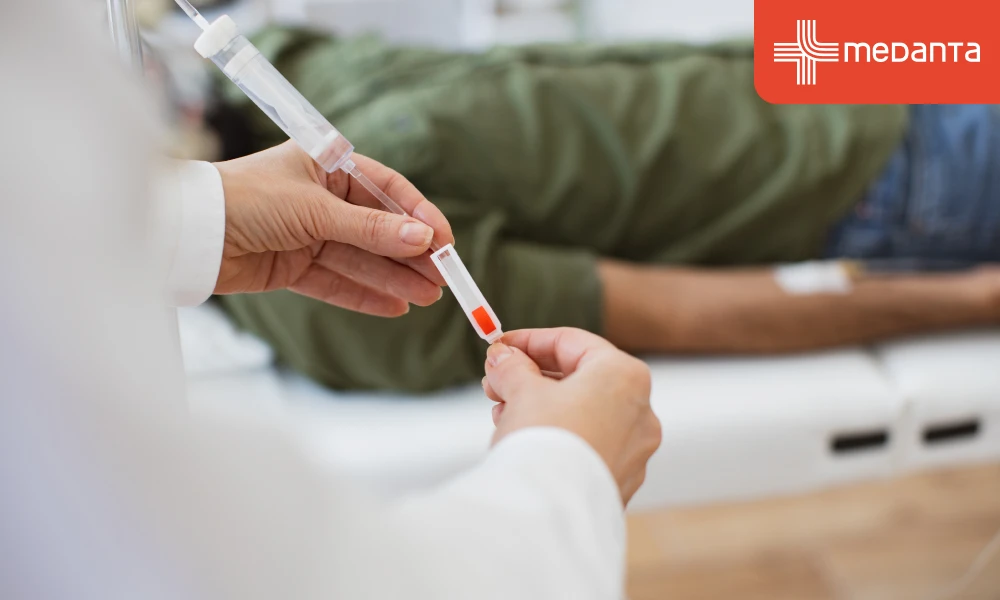
Intravenous infusion remains the most common route, delivered through a vein in the arm or for longer treatment courses through a port placed under the skin near the collarbone. Oral tablets and capsules work for certain drug types and are taken at home on a schedule the oncology team sets precisely. Less commonly, chemotherapy goes directly into the spinal fluid or a specific body cavity, depending on where the cancer sits.
Session length varies widely from 30 minutes to several hours and most hospitals, including outpatient day-care units across India, run these as same-day visits requiring no overnight stay.
Preparing for Chemotherapy: What Patients Should Expect
Blood tests typically come first, checking that organ function and blood counts can handle the upcoming dose safely. Many oncologists also recommend dental check ups beforehand, since chemotherapy can lower immunity and turn a minor dental infection into a bigger problem mid-treatment.
Eating a light meal before sessions helps with nausea for some patients, though this varies person to person. Comfortable, loose clothing makes infusion access easier and bringing something to pass the time like a book, music or a family member makes long sessions considerably more bearable.
Common Side Effects and Ways to Manage Them
Fatigue tops the list for most patients, often described as bone-deep tiredness that rest alone doesn't fully resolve. Nausea and appetite changes follow closely, though modern anti-nausea medications have improved this considerably compared to a decade ago. Hair loss, while not medically dangerous, frequently carries the heaviest emotional weight of any side effect.
Small, frequent meals including dal, khichdi, and other easily digestible foods often sit better than large meals during nausea-heavy days
Staying hydrated supports kidney function through the drug clearance process
Gentle movement, even short walks, helps counter fatigue more than complete rest does for many patients
Mouth sores, mild numbness in fingers or toes, and temporary changes in taste also show up for some drug combinations. Reporting these promptly lets the oncology team adjust supportive medication rather than leaving the patient to manage alone.
Supporting a Loved One During Chemotherapy
Practical help often matters more than words during this stretch. Driving to appointments, managing household tasks or simply sitting through an infusion session together takes real pressure off the patient. Energy levels fluctuate day to day, sometimes hour to hour, so flexibility from family members helps more than rigid expectations.
Emotional support doesn't require fixing anything. Listening without rushing to reassure and accepting that some days will be harder than others tends to help more than forced positivity. Caregivers themselves need rest too, caregiver burnout is real and asking other family members to share the load isn't a failure, it's necessary.
Recovery, Follow-Up Care and Life After Chemotherapy
Energy levels usually take weeks to months to return to baseline after the final session, and this timeline varies considerably between individuals. Follow-up scans and blood work continue on a schedule the oncologist sets, tracking for recurrence and monitoring any lingering organ effects from the drugs themselves.
Some side effects resolve within weeks while others like nerve tingling or changes in taste can linger longer. Rebuilding strength gradually through light exercise, balanced nutrition and adequate sleep supports meaningful recovery though patience matters here more than speed.
Conclusion: Navigating Chemotherapy with Confidence
Treatment is demanding, no question, but it follows a structured, well-understood path that oncology teams manage closely at every stage. Most side effects are predictable and treatable and the support systems around a patient (medical and personal) exist precisely because nobody is expected to manage this alone.
FAQs
Will chemotherapy affect my daily routine?
Almost certainly, at least for stretches of the treatment cycle. Fatigue and nausea tend to cluster in the days right after each session, easing as the next session approaches and most patients find a rhythm to it after the first couple of cycles.
How can I prepare myself mentally for chemotherapy?
Talking openly with the oncology team about what to expect removes a lot of guesswork and that alone eases anxiety for many patients. Connecting with others who've been through treatment through support groups or hospital counselling also helps normalise the experience.
Can I be around my family and friends during treatment?
Generally yes though immunity dips during certain points in the treatment cycle so avoiding visitors with colds or infections matters more than usual. The oncology team will flag specific windows where extra caution is needed.
What should I bring with me to a chemotherapy session?
Comfortable clothing with easy arm access, a list of current medications, snacks or water and something to pass the time including headphones, a book, even a blanket for chillier infusion rooms. Company helps too, if someone can join.
Are there ways to reduce fatigue during chemotherapy?
Short walks, paced rest periods rather than all-day bed rest and steady hydration all help more than complete inactivity does. Iron and vitamin levels get checked periodically too since deficiencies can compound treatment-related tiredness.
How do I talk to my children or family members about my treatment?
Age appropriate honesty tends to work better than vague reassurance, which children often see through anyway. Simple, factual explanations like the medicine is fighting the illness, some days mom or dad will be tired give children something concrete rather than room to imagine worse.
Can chemotherapy impact fertility or future family planning?
Some chemotherapy drugs do affect fertility (temporarily or permanently) depending on the regimen and the patient's age. Discussing fertility preservation options like egg or sperm banking before treatment starts is worth raising early with the oncology team.
What are the signs that I should contact my doctor between treatment sessions?
Fever above 100.4°F, uncontrolled vomiting, unusual bleeding or bruising, severe pain or shortness of breath all warrant an immediate call rather than waiting for the next scheduled visit.
How can caregivers support someone going through chemotherapy?
Practical logistics like appointments, meals and medication schedules take real weight off the patient when caregivers handle them. Equally important: caregivers pacing themselves too, since sustained caregiving without breaks tends to wear people down faster than they expect.
What should I do if I miss a chemotherapy appointment?
Call the oncology team as soon as possible rather than waiting until the next scheduled date. Missed sessions sometimes need rescheduling within a specific window to keep the treatment cycle effective so the care team needs to know quickly.