Zerodol: Uses, Side Effects, Precautions and Dosage
Zerodol
What is Zerodol?
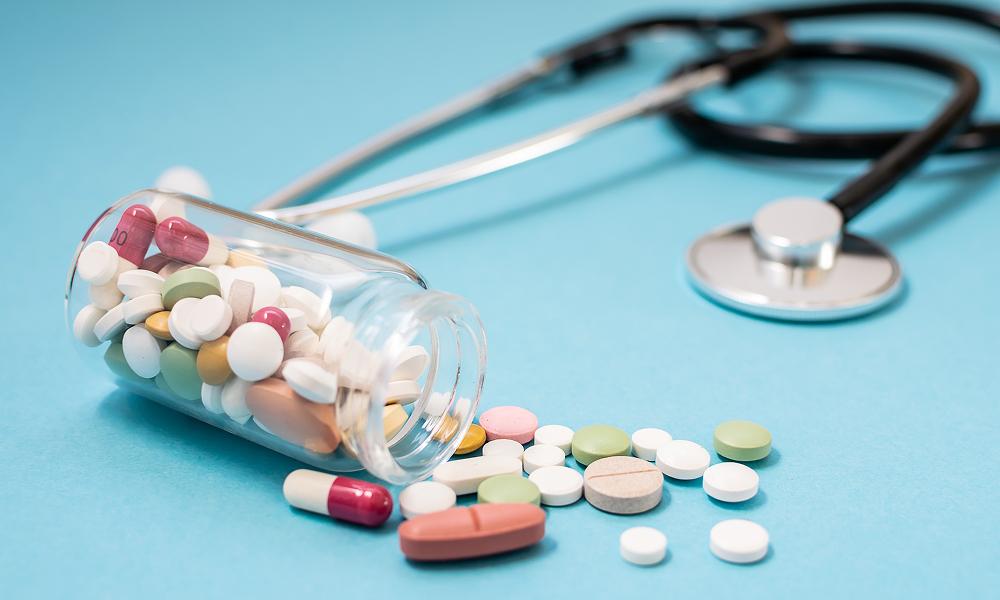
Zerodol Tablet is a non-steroidal anti-inflammatory drug (NSAID). You can find several variants of this pain relieving medicine, including Zerodol P and Zerodol SP. Zerodol SP Tablet's power comes from its triple-action formula. Each tablet contains Aceclofenac (100 mg), Paracetamol (325 mg), and Serratiopeptidase (15 mg).
How Does Zerodol Work?
The medicine stops specific chemical messengers that signal pain in your brain. It prevents prostaglandins from being released. Prostaglandins are substances responsible for pain, inflammation, and swelling in your body. The serratiopeptidase component in Zerodol SP helps break down proteins that cause swelling and makes healing faster.
Uses of Zerodol
This versatile medication helps with:
Joint conditions like osteoarthritis, rheumatoid arthritis, and ankylosing spondylitis
Ear, nose, and throat inflammation
Post-surgical recovery.
How & When to Take Zerodol
Take the tablet whole with a glass of plain water.
Take the medicine after meals to avoid stomach upset.
The tablet should not be crushed, chewed, or broken.
Your doctor might prescribe one tablet 1-2 times daily according to your condition.
Take your medicine at the same time each day so that it provides consistent pain control.
When told to take it twice a day, space out your doses by 12 hours.
Side Effects of Zerodol
Common side effects are:
Stomach pain
Nausea and vomiting
Dizziness
Changes in your vision.
More serious issues can include stomach bleeding, allergic reactions, or kidney problems.
Can I Take Zerodol Daily?
Doctors prescribe Zerodol for short-term use. Taking it for long periods might lead to serious complications like stomach bleeding or kidney problems. Your best approach is to take the lowest dose that works for the shortest time possible. Your doctor might need to monitor you regularly if you need extended treatment.
Dosage for Zerodol
Adults should take one Zerodol tablet once or twice daily based on their doctor's prescription. Film-coated tablets require 100 mg twice daily. You need to take one Zerodol-SP tablet twice daily after meals.
Daily limits are important. Aceclofenac should not exceed 200 mg, and paracetamol must stay under 4 g. The maximum serratiopeptidase intake is 60 mg per day.
Precautions
Your stomach needs protection, so take Zerodol with food or milk.
People with peptic ulcers, liver problems, or kidney issues need special attention.
Drinking alcohol during treatment is strictly forbidden because it creates a big risk of liver damage and stomach bleeding.
Don't take more than the recommended amount or for longer than advised.
Check with your doctor before using if you are pregnant or nursing.
What If You Missed a Dose?
Take your missed dose right away if you remember it. Skip the missed dose if it is almost time for your next one. Taking two doses together is dangerous.
What If You Overdose?
An overdose can cause severe stomach pain, nausea, vomiting, drowsiness, liver damage, chest pain, and confusion. You should inform your doctor immediately if you notice these symptoms.
Caution With Other Drugs: Interactions
Zerodol can be risky with these medications:
Blood thinners like warfarin can increase bleeding risk
Other painkillers might raise your chance of stomach ulcers
Blood pressure medications may not work as well
Antibiotics like levofloxacin could trigger seizures.
Zerodol vs Diclofenac
Zerodol and diclofenac are medicines from the same family, but they have some important differences. These differences can help patients choose the right pain management option.
The biggest difference is how well they work and their side effects. Studies show both medicines reduced pain by a lot in patients with osteoarthritis of the knee. Zerodol worked better at improving knee flexibility after 2-4 weeks of treatment, particularly for patients who had stiff joints at first.
Zerodol causes fewer stomach problems than diclofenac. Research shows only a few of Zerodol patients got diarrhoea from the treatment, compared to diclofenac users.
These medicines have a similar way of working. They block specific enzymes that cause pain and inflammation in your body. You can find them in different combinations.
It's worth mentioning that you should never take these medicines together because this can increase your risk of side effects.
FAQs
What is Zerodol used for?
Zerodol treats pain conditions throughout the body. The medication works well against musculoskeletal pain like arthritis, sprains, and backaches. Patients with dental pain get relief from this medicine. The drug helps manage post-surgical discomfort, sports injuries, and trauma-related pain. Doctors prescribe it to reduce swelling and inflammation from fever, infections, and surgeries.
How does Zerodol work to relieve pain and inflammation?
Zerodol, a non-steroidal anti-inflammatory drug (NSAID), blocks specific chemical messengers in your brain's pain signals. The medication stops prostaglandins (substances that cause pain, redness, and swelling). Zerodol SP's serratiopeptidase component breaks down protein-based swelling for faster recovery.
What is the recommended dosage of Zerodol?
Your doctor's dosage instructions should be followed carefully. Most patients take one tablet once or twice daily. The tablet should be swallowed whole with water. Do not chew, crush, or break it. Taking Zerodol during or after meals prevents stomach upset.
How quickly does Zerodol start working?
Pain relief starts fast usually within 30 to 60 minutes after taking the tablet. Most patients notice the pain-relieving effects within an hour. Zerodol stays active in the body for 10-12 hours.
What are the common side effects of Zerodol?
Some patients experience stomach issues like nausea, vomiting, and indigestion. The medication can cause stomach pain, heartburn and reduced appetite. A few users report dizziness or diarrhoea. These side effects tend to be mild and temporary.
Can Zerodol cause stomach pain or acidity?
Stomach discomfort ranks among the most common side effects. Other side effects are:
Dyspepsia (indigestion)
Abdominal pain.
You can reduce these problems by taking Zerodol with food or milk.
Who should avoid taking Zerodol?
You should not take Zerodol if you are allergic to any ingredients or have a history of peptic ulcers or gastrointestinal bleeding. The medication isn't safe if you have severe heart, liver, or kidney problems. People with asthma might experience worse symptoms because some respiratory conditions are sensitive to NSAIDs.
Is Zerodol safe to use long-term?
Long-term use increases your risk of gastrointestinal ulcers, bleeding, and kidney damage. Zerodol works best as a short-term treatment. Your doctor needs to monitor you regularly if you need extended therapy.
Can Zerodol be taken with other painkillers or medicines?
Never combine Zerodol with other NSAIDs. This makes ulcers much more likely. The medication can also interact dangerously with blood thinners, corticosteroids, and some antibiotics.
What signs mean I should stop Zerodol and see a doctor?
Get medical help right away if you notice severe stomach pain, black stools, bloody vomit, skin rash, swelling, breathing difficulties, or yellowing of your skin/eyes.

