1068
1068
 Request Call Back
 Contact
 1068
1068
Rivaroxaban: Uses, Side Effects, Precautions and Dosage
Rivaroxaban
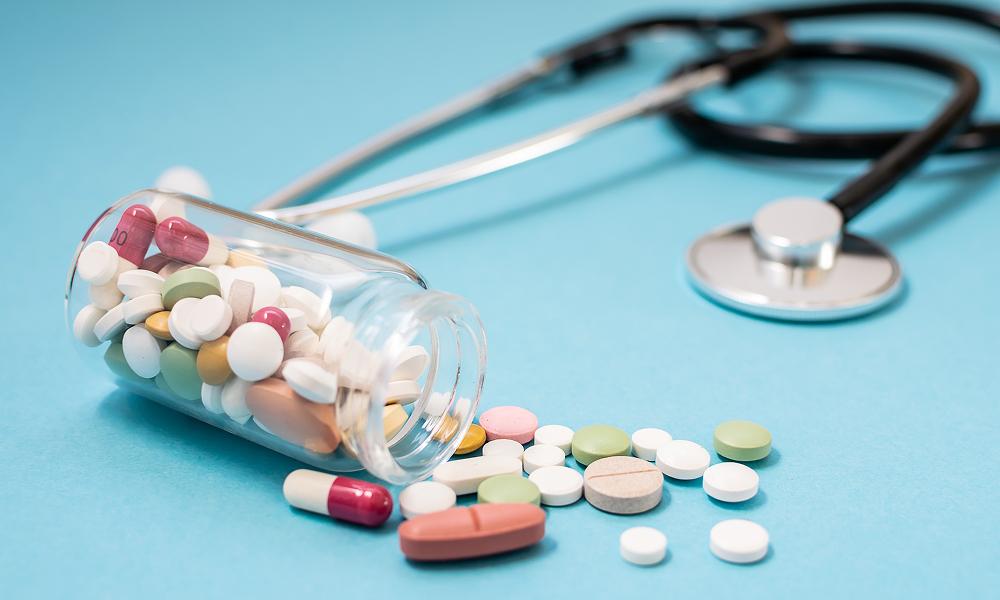
Rivaroxaban is an anticoagulant that reduces the ability of blood to clot. It is a direct Factor Xa inhibitor. Factor Xa is a protein in the clotting cascade (the chain of steps the body uses to form a clot); blocking it slows clot formation without injections or frequent blood tests. Available as 2.5–20 mg tablets, it does not dissolve existing clots but prevents new ones from forming.
How Does Rivaroxaban Work
Near the end of the clotting cascade, Factor Xa converts prothrombin into thrombin, which converts fibrinogen into fibrin - the mesh that holds a clot together. Rivaroxaban binds directly to Factor Xa, blocking this step. Unlike warfarin (which affects multiple clotting factors and requires regular INR blood tests), rivaroxaban's effect is predictable between patients, so routine monitoring is not needed. Peak blood levels are reached within two to four hours; effects last 12–24 hours.
Uses of Rivaroxaban
Doctors recommend rivaroxaban for:
Treatment and prevention of DVT (deep vein thrombosis) and PE (pulmonary embolism)
Stroke prevention in non-valvular atrial fibrillation
Post-surgical clot prevention after hip or knee replacement
Heart attack and stroke risk reduction in stable arterial disease.
How and When to Take Rivaroxaban
Dose and timing depend on the indication:
DVT/PE treatment: 15 mg twice daily with food for 21 days, then 20 mg once daily with the evening meal.
AF: 20 mg once daily with the evening meal. Post-surgical prevention: 10 mg once daily.
Arterial disease: 2.5 mg twice daily.
Food significantly improves absorption and must not be skipped. Swallow tablets whole and if crushed, mix with water or soft food and take immediately.
Side Effects of Rivaroxaban
The primary side effect is bleeding - any wound may bleed more and take longer to stop. Common effects are:
Prolonged wound bleeding
Nausea
Easy bruising
Dizziness.
Skin rash and elevated liver enzymes (rare).
Seek urgent attention for: blood in urine, black or tarry stools (gut bleeding), coughing or vomiting blood, sudden severe headache or one-sided weakness (possible brain bleed), or unexplained abdominal pain. \
Can I Take Rivaroxaban Daily?
Yes rivaroxaban is designed for daily use over weeks, months, or years. For AF, it is taken indefinitely, for DVT and PE, typically three to six months (longer if unprovoked) and for post-surgical prevention, 10–35 days. Never stop without medical advice as sudden discontinuation significantly raises clotting risk.
Precautions While Using Rivaroxaban
Before starting, tell the doctor about:
Any bleeding disorder or active bleed
Kidney disease (raises drug levels and bleeding risk)
Severe liver disease (a contraindication)
Pregnancy or breastfeeding (not safe in either)
Planned surgery or dental work
Falls history
Prior brain bleed.
Carry a medical alert card or doctor's note identifying you as an anticoagulant user.
What If You Miss a Dose?
Once-daily dose: take it as soon as you remember on the same day do not double up the next day. Twice-daily 15 mg dose (DVT/PE first 21 days): take the missed dose immediately, even if both doses fall on the same day to reach 30 mg then continue normally. This doubling rule applies only to this regimen.
What If You Overdose?
Overdose significantly raises the risk of serious or life-threatening bleeding. Symptoms include prolonged wound bleeding, blood in urine or stools, widespread bruising, severe headache, or loss of consciousness. If you experience any of these symptoms go to the nearest emergency department immediately.
Caution With Other Drugs: Interactions
Key interactions:
Other anticoagulants or antiplatelet drugs
NSAIDs like ibuprofen, diclofenac
Strong inhibitors of CYP3A4/P-glycoprotein like ketoconazole, itraconazole, ritonavir, clarithromycin
Strong inducers like rifampicin, carbamazepine, phenytoin
St John's Wort.
Dosage of Rivaroxaban
Doses are fixed and do not require routine monitoring. Standard doses are:
DVT/PE treatment: 15 mg twice daily (21 days) then 20 mg once daily
DVT/PE extended prevention: 10 mg once daily
Atrial fibrillation: 20 mg once daily with evening meal
Post hip replacement: 10 mg once daily for 35 days
Post knee replacement: 10 mg once daily for 12 days
Coronary/peripheral artery disease: 2.5 mg twice daily with aspirin
Rivaroxaban is generally avoided when creatinine clearance falls below 15 mL/min.
Rivaroxaban vs Apixaban
Both are direct Factor Xa inhibitors with similar indications. Key differences:
Dosing: rivaroxaban 20 mg is once daily; apixaban is typically twice daily
Food: rivaroxaban 15–20 mg requires food; apixaban does not
Renal clearance: apixaban is less renally eliminated so preferable in moderate kidney impairment
GI bleeding: apixaban has a marginally lower rate in large trials
Choice depends on indication, renal function, and clinical judgement - both have robust evidence.
FAQs
What is rivaroxaban used for?
Rivaroxaban treats and prevents DVT (leg clots) and PE (lung clots), reduces stroke risk in atrial fibrillation (AF), prevents post-surgical clots and reduces heart attack and stroke risk in arterial disease.
What are the common side effects of rivaroxaban?
Common side effects are:
Prolonged bleeding
Nausea
Bruising
Dizziness.
When should you take rivaroxaban?
The 20 mg and 15 mg doses must be taken with food for adequate absorption. The 10 mg and 2.5 mg doses can be taken at any time. Take it at the same time each day.
Can I take rivaroxaban without food?
It depends on the dose. Lower doses of rivaroxaban can be taken with or without food but higher doses should be taken with food to ensure proper absorption.
Can I stop taking rivaroxaban suddenly?
No stopping abruptly significantly raises the risk of a clot, stroke, or embolism. If paused for surgery, the doctor will advise when to stop and restart. Never discontinue without medical guidance.
Can rivaroxaban cause bleeding problems?
Yes bleeding is its principal risk. Most is minor (bruising, prolonged wound bleeding), but serious bleeding in the brain or gut requires emergency care. Report any unusual or prolonged bleeding promptly.
Is rivaroxaban a blood thinner?
Blood thinner is the common term, though technically inaccurate as rivaroxaban does not change the thickness or viscosity of blood. It inhibits Factor Xa (a protein in the clotting cascade) reducing the blood's ability to form clots. The result is the same practical effect: clots form more slowly and less easily.
Can I drink alcohol while taking rivaroxaban?
Occasional moderate alcohol is generally acceptable. Heavy drinking raises bleeding risk significantly as alcohol impairs platelet function and damages the stomach lining increasing gut bleeding risk. Limit intake to one to two drinks and avoid binge drinking.
What happens if I miss a dose of rivaroxaban?
Once-daily dose: take it as soon as you remember on the same day & do not double up the next day. For the 15 mg twice-daily regimen: take the missed dose immediately, even if this means reaching 30 mg that day, then continue normally. Contact the prescribing team if unsure.
How long should I take rivaroxaban for blood clots?
Typically three to six months for a first DVT or PE with a clear cause. For unprovoked clots, treatment beyond six months is often recommended. The decision depends on bleeding risk, clot location and whether the trigger has resolved.
Is rivaroxaban safe for elderly patients?
Rivaroxaban medicine is widely used in older patients and is generally safe with monitoring. Reduced kidney function (common in the elderly) slows drug clearance and raises bleeding risk. Regular kidney function checks are particularly important in this group.
Can rivaroxaban be taken with other medications?
Many combinations are safe, but several are not. Ketoconazole, itraconazole, ritonavir, and clarithromycin raise rivaroxaban levels significantly. Rifampicin, carbamazepine, phenytoin, and St John's Wort reduce its effectiveness. NSAIDs and other anticoagulants increase bleeding risk. Therefore always give a complete medicine list to the prescribing doctor.