1068
1068
 Request Call Back
 Contact
 1068
1068
Norfloxacin Tablet: Uses, Side Effects, Doasge, Precautions & More
Norfloxacin
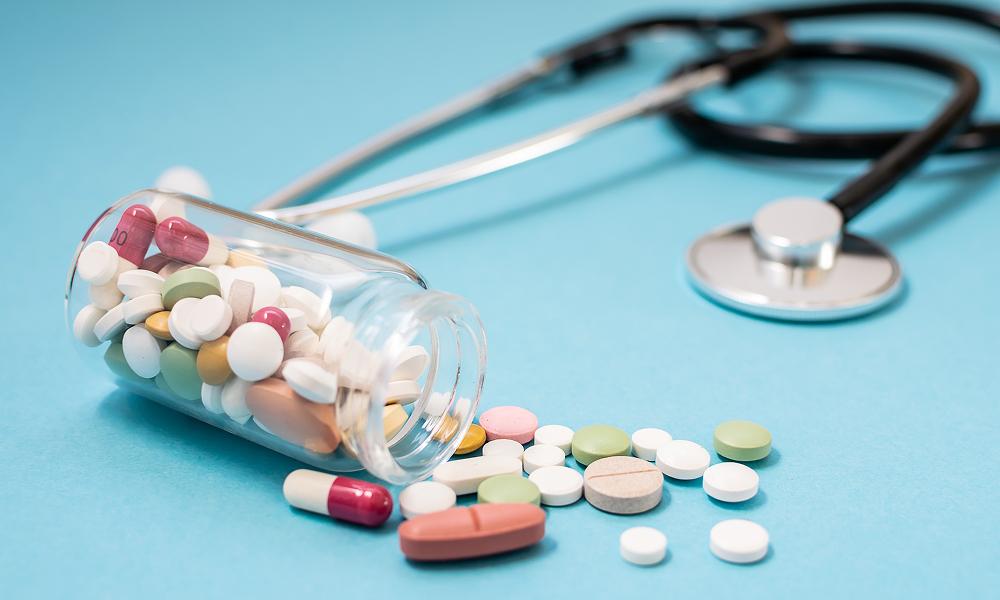
Norfloxacin is one of the most important antibiotics that belongs to the fluoroquinolone family. Doctors prescribe norfloxacin to treat several conditions. These include urinary tract infections, bladder infections, gonorrhoea and certain prostate infections. The medication targets only bacterial infections. It won't help with viral illnesses like the common cold, flu, or coronavirus. Patients need a doctor's prescription to get norfloxacin. The antibiotic stays in the body for just 3-4 hours. This blog covers what patients should know about norfloxacin. You will learn about how it works, dosage guidelines, possible side effects, and safety measures for this powerful antibiotic.
What is Norfloxacin?
Norfloxacin is a synthetic, broad-spectrum antibacterial agent, commonly referred to as norflox medicine. This broad spectrum antibiotic belongs to the fluoroquinolone family. Norfloxacin appears as a white to pale yellow crystalline powder that barely dissolves in water. This first-generation fluoroquinolone treats bacterial infections of the urinary tract and prostatitis.
How Does Norfloxacin Work?
The medication blocks DNA gyrase (a type II topoisomerase) and topoisomerase IV, which bacteria need for DNA replication. Norfloxacin's approach differs from other antibiotics because it binds to the substrate DNA instead of DNA gyrase directly. This versatility boosts its effectiveness against gram-negative bacteria and pseudomonal infections.
Uses of Norfloxacin
Doctors prescribe norfloxacin beyond urinary tract infections for:
Gynaecological infections
Prostatitis (especially from E. coli)
Gonorrhoea
Bladder infections
Conjunctival infections (eye drops)
Some doctors also prescribe it off-label to prevent spontaneous bacterial peritonitis in cirrhotic patients with ascites.
How & When to Take Norfloxacin?
You should take norfloxacin on an empty stomach, one hour before or two hours after meals.
The tablet needs a full glass of water, and you should drink plenty of fluids during treatment.
Your body absorbs norfloxacin better if you avoid antacids, iron supplements, multivitamins, or dairy products within two hours of taking it.
Side Effects of Norfloxacin
Common norfloxacin side effects:
Digestive issues like nausea and diarrhoea
Stomach pain
Change in taste
Headache
Restlessness
Insomnia
Increased sensitivity to sunlight
Muscle or joint pain
Serious reactions:
Tendon rupture particularly the Achilles tendon,
Peripheral neuropathy causing nerve damage that might become permanent.
Dosage for Norfloxacin
Adults should take one 400 mg tablet twice daily (every 12 hours) for urinary tract infections. Treatment duration varies:
Uncomplicated UTIs: 3-10 days
Complicated UTIs: 10-21 days
Prostatitis: 28 days
Gonorrhoea: Single 800 mg dose
Can I Take Norfloxacin Daily?
Studies confirm that norfloxacin 800 mg once-daily works just as well as 400 mg twice-daily regimens. However, you should follow your doctor's exact prescription schedule to get optimal results.
Precautions
You should take norfloxacin on an empty stomach eitherone hour before or two hours after meals.
Swallow tablets with water and:
Avoid dairy products during administration
Wait 2 hours before/after taking antacids, iron, zinc or multivitamins
Maintain adequate hydration throughout treatment
Keep medication at room temperature (20-25°C).
What If You Missed a Dose?
You should take the missed dose right away when you remember, unless your next scheduled dose is approaching. Never take a double dose to make up for a missed one.
What If You Overdose?
Medical attention is needed immediately. Treatment includes emptying the stomach through induced vomiting or gastric lavage, followed by supportive care and hydration monitoring.
Caution With Other Drugs: Interactions
Norfloxacin interacts with many drugs. Key interactions include:
Caffeine: Increased caffeine effects
Warfarin: Higher anticoagulant activity requiring INR monitoring
Theophylline: Elevated plasma levels requiring dose adjustments
NSAIDs: Increased seizure risk
Cyclosporine: Higher serum levels needing monitoring
Norfloxacin vs Ciprofloxacin
Norfloxacin and ciprofloxacin are antibiotics from the fluoroquinolone family, but they have several key differences.
Ciprofloxacin shows better potency than norfloxacin, especially when you have infections caused by Pseudomonas aeruginosa and Staphylococcus aureus. Patient satisfaction scores reflect this difference.
Clinical studies show that both drugs work similarly well for urinary tract infections. Single-dose ciprofloxacin (500 mg) worked as well as three-day norfloxacin treatment (400 mg twice daily) for uncomplicated UTIs. The bacteriologic cure rates were similar.
Research shows weekly ciprofloxacin matches daily norfloxacin's effectiveness in preventing first-time UTIs in patients without previous spontaneous bacterial peritonitis. This could help improve patient compliance.
Both medications share similar side effects - mostly stomach issues, headache, and dizziness. Doctors usually choose between them based on where the infection is, how severe it is, and the patient's specific needs.
Conclusion
Norfloxacin remains a valuable antibiotic despite its limitations. The medication fights bacterial infections effectively, especially when you have urinary tract and prostate issues. Its unique approach targets bacterial DNA replication, which makes it potent against many common pathogens. The medication can help patients recover quickly while minimising risks when prescribed appropriately and taken correctly. Make sure to discuss any concerns or unusual symptoms with your doctor during treatment.
FAQs
What is norfloxacin tablet used for?
Norfloxacin is used to treat bacterial infections, especially urinary tract infections (UTIs), prostate infections, and some intestinal infections.
Is norfloxacin an antibiotic?
Yes, norfloxacin is a fluoroquinolone antibiotic. It works by killing bacteria that cause infections.
Can norfloxacin treat urinary tract infections?
Yes, it is commonly prescribed for UTIs. It helps eliminate bacteria causing symptoms like burning urination, frequent urination, and lower abdominal discomfort.
What are the side effects of norfloxacin?
Common side effects include nausea, stomach pain, diarrhea, dizziness, and headache. Rarely, it may cause tendon pain or nerve-related symptoms.
How long does norfloxacin take to work?
Symptoms may start improving within 1–2 days, but the full course should still be completed to fully clear the infection.
Can norfloxacin cause stomach pain or nausea?
Yes, mild stomach discomfort and nausea are common, especially when starting the medicine.
Should norfloxacin be taken before or after meals?
It is usually taken on an empty stomach (1 hour before or 2 hours after meals) with plenty of water for better absorption.
Can alcohol be consumed while taking norfloxacin?
It is best to avoid alcohol, as it may increase side effects like dizziness and reduce your body’s ability to recover.
Is norfloxacin safe during pregnancy?
No, it is generally not recommended during pregnancy due to potential risks to the baby. Always consult a doctor.
Why is it important to complete the norfloxacin course?
Completing the full course ensures all bacteria are killed, prevents recurrence, and reduces the risk of antibiotic resistance.