1068
1068
 Request Call Back
 Contact
 1068
1068
Isotretinoin: Uses, Side Effects, Dosage and Precautions
Isotretinoin
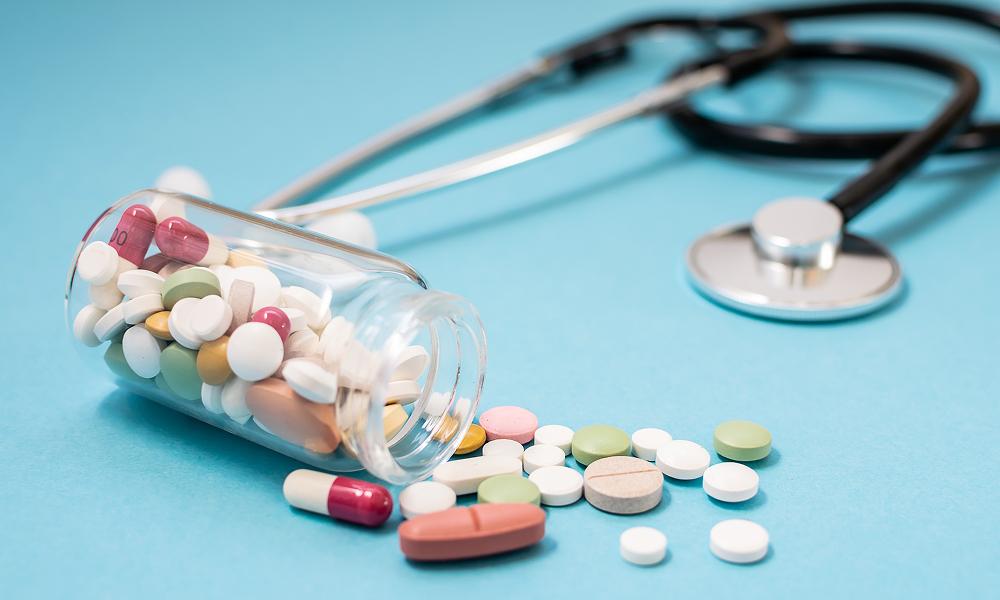
Isotretinoin is an oral retinoid that is a synthetic vitamin A derivative and is usually prescribed for severe, treatment-resistant acne vulgaris. Approved in 1982, isotretinoin acts on all four pathophysiological drivers of acne simultaneously: excess sebum, abnormal follicular keratinisation, Cutibacterium acnes proliferation, and follicular inflammation. No other acne drug matches this. Dermatologist oversight is required when using this medicine. Let's understand how isotretinoin works, its uses, side effects and the precautions you should take while taking it.
How Does Isotretinoin Work
Isotretinoin binds nuclear retinoic acid receptors in sebaceous gland cells, triggering apoptosis (programmed cell death) of the glandular epithelium. Sebum production falls by 70-90% within weeks. Without the lipid-rich environment that bacteria require, bacterial counts drop.
Simultaneously, isotretinoin normalises follicular keratinocyte differentiation - the abnormal cell shedding that blocks pores (comedogenesis) is corrected. Anti-inflammatory effects occur through suppression of toll-like receptor 2 signalling and reduction of inflammatory cytokines in the pilosebaceous unit.
Uses of Isotretinoin
Doctors prescribe isotretinoin for:
Severe nodulocystic acne unresponsive to at least two cycles of systemic antibiotics with topical therapy
Moderate acne causing significant scarring, even without prior antibiotic failure, when scarring risk is high
Acne fulminans - an acute, systemic form with fever and joint pain, requiring urgent treatment
Gram-negative folliculitis complicating prolonged antibiotic courses.
How and When to Take Isotretinoin
Isotretinoin must be taken with food specifically a high-fat meal. Bioavailability doubles with fat compared to fasting. A meal with dal tadka, ghee roti, or similar fat-containing food taken at the same time daily optimises absorption.
Swallow capsules whole with water and do not crush them. Take at the same time each day to maintain steady plasma levels. Courses run 16–24 weeks do not stop early if skin appears clear as premature discontinuation increases recurrence.
Side Effects of Isotretinoin
Mucocutaneous dryness affects nearly all patients:
Cheilitis (dry, cracked lips)
Dry skin and nasal mucosa
Transient acne flare in weeks 1-4; not treatment failure
Elevated triglycerides and LDL
Raised liver enzymes
Joint and muscle aches common at higher doses
Photosensitivity so SPF 50+ sunscreen is non-negotiable in India's high-UV climate.
Rare but serious:
Inflammatory bowel disease
Pseudotumour cerebri (avoid concurrent tetracyclines)
Mood changes.
Can I Take Isotretinoin Daily
Daily dosing is standard: 0.5 mg/kg/day for the first four weeks, escalating to 1 mg/kg/day as tolerated.
Continuous use maintains sebum suppression and keratinocyte normalisation.
Alternate-day or low-dose regimens suit patients who cannot tolerate standard dosing, but cumulative targets still apply. A 120 mg/kg cumulative dose correlates with the best long-term remission regardless of how it is distributed.
Precautions While Using Isotretinoin
Pregnancy: Absolutely contraindicated (Category X). Women of childbearing age must use two simultaneous contraceptive forms from one month before treatment, throughout, and for one month after the last dose
Blood donation: Prohibited during treatment and for 30 days after the last dose
Skin-lightening products: Avoid kojic acid, glycolic acid and vitamin C serums as a compromised skin barrier makes these highly irritating
Waxing and laser hair removal: Contraindicated during treatment and for 6 months after; scarring risk is elevated
Vitamin A supplements: Avoid completely as combined with isotretinoin they risk hypervitaminosis A
Alcohol: Raises triglycerides already elevated by isotretinoin.
What If You Missed a Dose?
Take the missed dose as soon as remembered unless the next dose is within 4-6 hours; in that case skip it. Do not double-dose. Missing occasional doses does not jeopardise the course if the cumulative target is otherwise met. Persistent irregular dosing reduces remission probability by preventing sustained sebaceous gland suppression.
What If You Overdose?
Acute overdose produces vitamin A toxicity symptoms: severe headache, dizziness, flushing, vomiting, abdominal pain and cracked lips. Raised intracranial pressure may develop in serious cases. Seek emergency medical attention immediately.
Caution With Other Drugs: Interactions
Key interactions are:
Tetracycline antibiotics like doxycycline, minocycline
Vitamin A and retinol supplements
Methotrexate
Progestin-only contraceptives
St John's Wort.
Dosage for Isotretinoin
Standard protocol: 0.5 mg/kg/day for the first four weeks, escalating to 0.5-1 mg/kg/day thereafter.
Target: 120-150 mg/kg total body weight for a 65 kg patient, 7,800-9,750 mg over 16-24 weeks. Some Indian dermatologists use low-dose protocols (20 mg daily for 6-9 months) for patients unable to tolerate standard dosing.
Isotretinoin vs Topical Retinoids
Topical retinoids like tretinoin, adapalene and tazarotene address comedogenesis and mild inflammatory acne at the skin surface with minimal systemic absorption. They are first-line for mild-to-moderate acne. Isotretinoin is systemic, suppressing sebaceous glands body-wide.
Mechanism: Topical retinoids normalise keratinocyte turnover only; isotretinoin also causes sebaceous gland apoptosis, reducing sebum by 70-90%
Severity: Topical retinoids for mild-moderate acne; isotretinoin for severe, scarring, or antibiotic-resistant disease
Remission: Topical retinoids require continuous use; one isotretinoin course produces lasting remission in the majority of cases
Teratogenicity: Topical retinoids carry a lower risk than oral isotretinoin; both are contraindicated in pregnancy
Side effects: Topical retinoids cause localised irritation; isotretinoin produces systemic dryness and requires blood monitoring.
FAQs
What is isotretinoin used for?
Isotretinoin is primarily used for severe nodulocystic acne unresponsive to oral antibiotics and topical treatment. Also used for acne fulminans, gram-negative folliculitis and acne causing progressive scarring.
What are the common side effects of isotretinoin?
Dry lips, dry skin, and nasal dryness affect virtually all patients. Raised triglycerides, elevated liver enzymes, joint aches, and photosensitivity are also common. A temporary acne worsening in the first weeks is expected. Pseudotumour cerebri and mood changes are rare but serious.
How long does isotretinoin take to work for acne?
Visible improvement begins at 6-8 weeks; the first 4 weeks often bring a paradoxical flare. Full effect appears by weeks 16-20. The cumulative dose of 120 mg/kg, not calendar time, determines when treatment ends.
Is isotretinoin safe for severe acne treatment?
Among the most studied oral dermatological drugs. At recommended doses with blood monitoring and contraception in women, its safety record is well established. Concerns about depression require patient and family education, but direct causal evidence remains contested.
Can isotretinoin cause dry skin and lips?
Cheilitis and dry skin are expected pharmacological effects affecting nearly all patients. Petroleum jelly on the lips continuously, gentle fragrance-free moisturisers and avoiding harsh cleansers reduce severity substantially.
What precautions should be taken while using isotretinoin?
Women of childbearing age must use two contraceptive forms for one month before and one month after treatment. Avoid tetracyclines, vitamin A supplements, alcohol, waxing, and laser procedures. SPF 50+ sunscreen daily. Attend all blood monitoring appointments.
Can isotretinoin affect liver function?
Mild transient rises in transaminases occur in some patients; reversible on dose reduction or stopping. Alcohol is contraindicated as its hepatotoxic effect is additive. Liver function is checked at baseline, 4 weeks and 8 weeks.
Is isotretinoin safe during pregnancy?
Absolutely contraindicated and one of the most potent human teratogens known. First-trimester exposure causes craniofacial malformations, cardiac defects and CNS abnormalities in a high proportion of exposed fetuses. Two simultaneous contraceptive methods are mandatory throughout treatment.
What foods should be avoided while taking isotretinoin?
Alcohol must be avoided entirely as it raises triglycerides and adds hepatotoxic load. High refined carbohydrate diets worsen triglyceride elevation. Excess vitamin A-rich foods (liver, cod liver oil) should be limited. Fatty meals at each dose time improve absorption and should not be avoided.
Can isotretinoin permanently cure acne?
A single course produces long-term remission in the majority of patients. Some may need a second course at a higher cumulative dose.