1068
 Request Call Back
 Contact
 1068
Biotin: Uses, Side Effects, Precautions and Dosage
Biotin
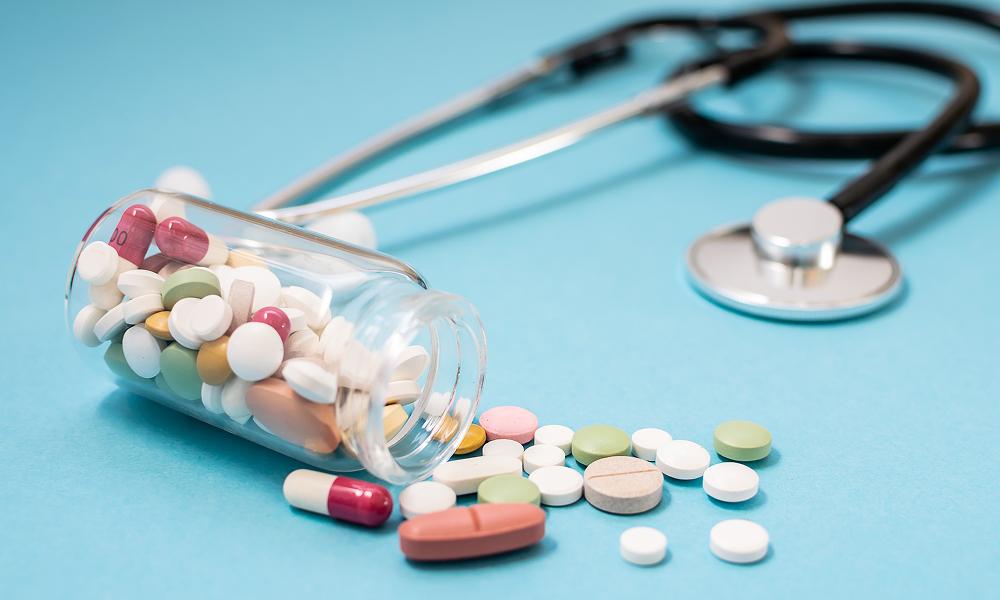
Biotin also called vitamin B7 or vitamin H is a water-soluble B-complex vitamin that functions as an essential cofactor for five carboxylase enzymes involved in fatty acid synthesis, amino acid catabolism and gluconeogenesis. The body cannot synthesise Biotin endogenously in sufficient quantities. Therefore dietary intake and intestinal bacterial production are the primary sources. Deficiency, while uncommon in individuals with adequate diet, produces characteristic findings including dermatitis, alopecia and neurological symptoms that resolve promptly with repletion.
What is Biotin Used For?
Doctors prescribe Biotin for:
Deficiency Treatment: Doctors treat confirmed biotin deficiency with therapeutic doses of 5 to 10 mg daily until biochemical normalisation.
As Supplementation: Doctors prescribe Biotin as a supplement for:
Brittle nail syndrome (Biotin improves nail plate thickness and reduces splitting)
Hair thinning associated with nutritional deficiency or prolonged parenteral nutrition
As prenatal multivitamins
Biotin and chromium combination has shown modest improvements in glycaemic control.
Health Benefits of Biotin
Biotin's central metabolic role is as the prosthetic group of many carboxylase enzymes. These enzymes collectively regulate fat synthesis, the conversion of amino acids to gluconeogenic precursors and odd-chain fatty acid metabolism. Without adequate Biotin these pathways are impaired, producing the metabolic profile of deficiency.
Beyond enzyme cofactor function, Biotin participates in histone biotinylation (a post-translational modification affecting chromatin structure and gene expression). This epigenetic role has generated interest in Biotin's potential influence on cellular differentiation and immune regulation, though clinical applications remain preliminary. Biotin also supports the structural integrity of keratin (the fibrous protein forming hair, skin and nails) by supporting the biosynthetic pathways that supply keratin precursors.
Biotin for Hair Growth and Hair Health
Biotin deficiency produces a clinically recognisable form of diffuse non-scarring alopecia, characterised by hair shaft fragility and reduced diameter, which reverses within weeks of supplementation.
Clinically, dermatologists commonly prescribe biotin 2.5 to 5 mg daily for telogen effluvium associated with nutritional depletion, post-partum hair shedding and alopecia linked to prolonged restrictive diets. Response, when present, typically becomes apparent after 3 to 6 months of consistent supplementation, correlating with the hair growth cycle duration.
Biotin for Skin and Nail Health
Brittle nail syndrome that is characterised by onychoschizia (lamellar splitting) and onychorrhexis (longitudinal ridging) has the strongest evidence base for biotin supplementation. According to studies, there is a substantial increase in nail plate thickness after 6 months of Biotin 2.5 mg daily. The mechanism involves Biotin's role in supporting the enzymatic machinery of keratinocyte differentiation within the nail matrix.
Biotin deficiency produces a perioral seborrhoeic dermatitis and a generalised skin rash that resolves with repletion. In replete individuals biotin supplementation does not improve skin texture measurably. Its dermatological benefit is specific to deficiency correction or brittle nail treatment, not general cosmetic skin enhancement.
Biotin Dosage and How to Take It
Recommended dietary allowance (adults): 30 micrograms per day and this is met through a balanced diet in most individuals without supplementation
Pregnancy: 30 micrograms per day (typically supplied by prenatal multivitamins)
Breastfeeding: 35 micrograms per day
Brittle nail treatment: 2.5 mg (2,500 micrograms) daily for a minimum of 6 months
Biotinidase deficiency: 5 to 20 mg daily, dose titrated to biotinidase activity and clinical response, continued lifelong
Biotin deficiency repletion: 5 to 10 mg daily until serum parameters normalise, then maintained at dietary levels
Biotin supplements can be taken with or without food. No evidence supports taking Biotin at a specific time of day for enhanced absorption. Water-soluble formulation means excess is renally excreted. However, do not self-prescribe very high supplemental doses without a clinical indication.
Biotin Side Effects
Biotin is among the safest vitamins at dietary and low supplemental doses. Reported effects are:
Acne-like skin eruptions
Gastrointestinal discomfort like mild nausea or cramping (occasionally with high supplemental doses)
high-dose Biotin (above 5 mg) interferes with immunoassays using streptavidin-biotin technology, producing falsely elevated or suppressed results in thyroid function tests, troponin assays and hormonal panels. Biotin must be withheld for at least 48 hours before these tests.
Who Should Avoid Biotin Supplements?
Certain groups of people avoid Biotin supplements.
Patients scheduled for immunoassay-based laboratory testing: High-dose Biotin causes analytical interference in streptavidin-biotin immunoassays. Discontinue supplemental Biotin at least 48 hours and preferably 72 hours before thyroid, cardiac troponin or hormonal blood tests.
Individuals on anticonvulsants (carbamazepine, phenytoin, primidone): Long-term use accelerates biotin catabolism and reduces serum biotin levels.
Patients with egg white avidity: Raw egg white contains avidin, a glycoprotein that binds Biotin with high affinity and prevents intestinal absorption. Chronic raw egg white consumption causes functional biotin deficiency regardless of supplemental intake.
Known hypersensitivity to biotin formulation excipients: Rare but documented.
Precautions When Taking Biotin
Inform doctors and laboratory personnel of current biotin supplementation dose particularly doses above 5 mg before any blood test as analytical interference may yield clinically misleading results.
Do not interpret biotin supplementation as treatment for hair loss without a clinical evaluation as diffuse alopecia has multiple causes, most of which do not respond to Biotin and require dermatological assessment.
Supplement quality varies substantially so choose products with third-party verification of biotin content as label accuracy in unregulated supplement markets is inconsistent.
In pregnancy Biotin at prenatal multivitamin doses (30 to 35 micrograms) is safe but high-dose supplementation beyond 5 mg during pregnancy should be discussed with the treating obstetrician.
Conclusion
Biotin is a metabolically essential B vitamin with well-established roles in carboxylase enzyme function, keratin biosynthesis and neurological health. Supplementation is clinically justified in confirmed deficiency, biotinidase disorders, brittle nail syndrome and pregnancy. At high supplemental doses laboratory test interference is a safety concern that requires proactive communication with doctors before diagnostic testing.
FAQs
What is Biotin used for?
Biotin is used to treat confirmed biotin deficiency, biotinidase deficiency and brittle nail syndrome. It is included in prenatal supplements for pregnancy-related increased demand and prescribed in dermatology for hair thinning linked to nutritional depletion. High-dose Biotin is investigational in progressive multiple sclerosis.
Does Biotin help with hair and skin health?
Biotin supplementation reverses deficiency-related alopecia and perioral dermatitis reliably. For brittle nails 2.5 mg daily produces measurable thickness improvement over 6 months. In biotin-replete individuals, evidence for hair growth or skin improvement beyond deficiency correction remains limited and inconsistent.
What foods are natural sources of Biotin?
Rich dietary sources include cooked egg yolk, liver, kidney, salmon, sardines, whole grains, almonds, walnuts, sunflower seeds, sweet potato and spinach. Intestinal bacteria also synthesise Biotin, contributing variably to total body biotin status.
Is Biotin safe to take daily?
Yes Biotin has no established tolerable upper intake level and adverse effects from daily supplementation have not been documented at doses up to 200 mg. The main safety concern at doses above 5 mg is interference with streptavidin-biotin immunoassay laboratory tests.
What are the side effects of Biotin tablets?
High-dose Biotin may cause acne-like skin eruptions, attributed to competition with pantothenic acid for intestinal absorption and mild gastrointestinal discomfort. The most clinically significant issue is laboratory test interference - falsely elevated or suppressed thyroid, troponin and hormonal assay results at doses above 5 mg.
How long does it take for Biotin to show results?
For brittle nails improvement in nail plate thickness is measurable after 3 to 6 months. Deficiency-related hair loss typically shows regrowth within 4 to 8 weeks of adequate repletion. In healthy individuals without deficiency, supplementation timelines are less predictable and evidence of benefit is limited.
Can Biotin be taken with other supplements?
Yes Biotin can be taken alongside most vitamins and minerals. Co-supplementation with pantothenic acid (vitamin B5) may reduce acne-like eruptions reported at high biotin doses. Biotin does not interact adversely with iron, zinc or vitamin D when taken within standard supplement doses.
Is Biotin safe during pregnancy?
Biotin at standard prenatal supplement doses of 30 micrograms is safe and recommended during pregnancy. High-dose Biotin above 5 mg is not established as safe in pregnancy; its use should be discussed with the treating obstetrician.
Does Biotin deficiency cause hair loss?
Confirmed biotin deficiency causes diffuse, non-scarring alopecia characterised by hair fragility and reduced shaft diameter. This form of hair loss reverses with biotin repletion. Most hair loss in clinical practice, however, is not caused by biotin deficiency and requires specific dermatological assessment.
Can Biotin be taken on an empty stomach?
Biotin is water-soluble and well absorbed regardless of food intake. No pharmacokinetic advantage to fasting or fed administration has been demonstrated. Taking Biotin with food may reduce the gastrointestinal discomfort occasionally reported at higher supplemental doses.
References
4. Trüeb RM. Serum biotin levels in women complaining of hair loss. Int J Trichology. 2016;8(2):73-77.
8. Mock DM. Adequate intake of Biotin in pregnancy. Am J Clin Nutr. 1999;69(4):614-616.