1068
1068
 Request Call Back
 Contact
 1068
1068
Acarbose: Uses, Side Effects, Precautions and Dosage
Acarbose
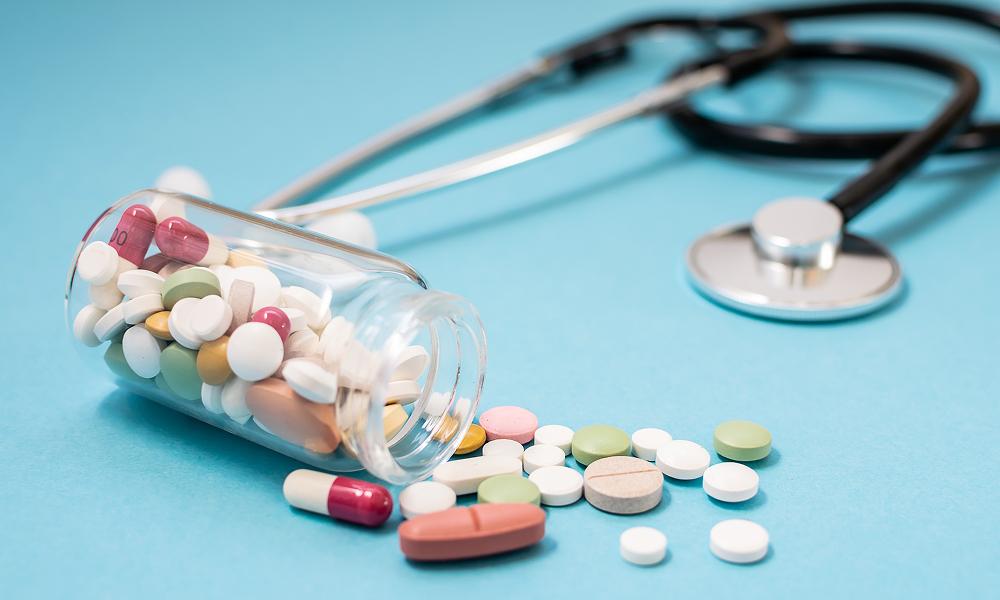
Acarbose is unique among diabetes medications because it acts as a specialised starch blocker that manages blood sugar levels differently from other treatments. The medication blocks alpha glucosidase, an intestinal enzyme that normally releases glucose from larger carbohydrates like starch and sucrose. Research demonstrates acarbose's most important benefits for patients with type 2 diabetes. The medication reduces HbA1c by 0.8 percentage points on average. The medication has proven effective even though it has very low oral bioavailability.
What is Acarbose?
Acarbose stands out from other diabetes treatments as an oral anti-diabetic medication. It targets the digestive process as a starch blocker instead of directly affecting insulin production. This complex oligosaccharide belongs to the alpha-glucosidase inhibitors.
How Does Acarbose Work?
The medication acts as a competitive, reversible inhibitor of pancreatic alpha-amylase and intestinal alpha-glucoside hydrolase. These enzymes break down complex carbohydrates into simple sugars under normal conditions. The medication blocks this breakdown and slows glucose absorption, which reduces post-meal blood sugar spikes.
Uses of Acarbose
Doctors prescribe acarbose alongside diet and exercise to treat type 2 diabetes. Doctors also use it to manage prediabetes. Research shows that acarbose can lower HbA1c by 0.5% to 1.5%.
How & When to Take Acarbose?
Patients should take acarbose with their first bite of a meal.
Doctors usually prescribe it two to three times daily. This means you should take medicine at the start of each main meal.
Treatment starts with 25mg three times daily and increases gradually based on need.
Do not skip the medicine as skipping reduces its effectiveness in controlling post-meal glucose spikes.
Side Effects of Acarbose
Common side effects include:
Stomach pain
Flatulence (gas)
Diarrhoea
Soft stool.
Most patients experience these digestive issues during the first few weeks, but symptoms improve with time.
Dosage for Acarbose
Acarbose tablets come in three strengths: 25mg, 50mg, and 100mg. Treatment usually starts with 25mg taken three times daily with meals. Your doctor might increase this dose every 4-8 weeks based on how you respond. The maximum daily doses depend on your weight: 50mg three times daily if you weigh 60kg or less, and 100mg three times daily if you weigh more than 60kg.
Can I Take Acarbose Daily?
Yes, you need to take acarbose daily. Take the medication with the first bite of each main meal, up to three times per day. Keep taking acarbose as prescribed, even when you feel well.
Precautions
You should not take acarbose if you have serious kidney problems.
Your doctor needs to check your liver function every three months during the first year and regularly after that.
Mothers who are nursing should avoid acarbose.
Drinking alcohol while taking acarbose can change your blood sugar levels.
What If You Missed a Dose?
Take the forgotten dose right away if you are still eating your meal. But if you have finished eating, just skip that dose. Never take a double dose to make up for a missed one.
What If You Overdose?
Get immediate medical help. Stay away from foods with carbohydrates for 4-6 hours after an overdose. Some severe cases might need glucose given through an IV.
Caution With Other Drugs: Interactions
Acarbose can interact with many medications.
Antibiotics like ciprofloxacin
Blood pressure drugs
Furosemide
Methotrexate
Other diabetes medicines
Pancreatic enzymes
Steroids
Tolbutamide.
Acarbose vs Metformin
Patients with type 2 diabetes must carefully evaluate their options when choosing between acarbose and metformin. These medications operate through completely different mechanisms.
Studies show mixed results about their effectiveness. Research suggests metformin achieves better results in reducing HbA1c levels, while other studies indicate acarbose performs just as well as metformin.
Both medications commonly trigger digestive problems. Metformin's users often report diarrhoea, nausea, and upset stomach.
Metformin shows more complexity in drug interactions, with more known interactions compared to acarbose.
Research on cardiovascular outcomes reveals acarbose's association with a higher risk of heart failure and ischemic stroke (compared to metformin.
Overweight patients can expect similar benefits from both medications.
FAQs
What is acarbose used for?
Doctors use acarbose to treat type 2 diabetes mellitus. Doctors prescribe it with diet and exercise to improve blood sugar control in adults. They also use it to manage prediabetes.
How does acarbose help control blood sugar?
This medication blocks intestinal enzymes that break complex sugars into simple ones like glucose. Acarbose slows down how your body digests and absorbs carbohydrates. This prevents your blood glucose from spiking after meals.
When should I take acarbose?
Start taking acarbose with your first bite at each main meal. The medicine needs food in your stomach to work. You can swallow it with water or chew it with your first mouthful of food for the best results.
Can acarbose cause side effects?
Common effects include:
Stomach pain
Flatulence (gas)
Diarrhoea.
Some rare but serious side effects could include liver problems or allergic reactions.
Is acarbose safe for long-term use?
Yes studies show acarbose is safe and effective over long periods. The treatment has proven safe with little risk of hypoglycemia or weight gain.
Who should avoid taking acarbose?
These groups should stay away from this medication:
People with known hypersensitivity to acarbose
Those with diabetic ketoacidosis
Patients with cirrhosis or severe liver disease
If you have inflammatory bowel disease or colonic ulceration
Anyone with intestinal obstruction or blockage risk
People who face chronic intestinal digestion problems.
Can I take acarbose with other diabetes medicines?
You can take it with caution. Acarbose works among other diabetes medications. All the same, its combination with insulin or sulfonylureas raises your hypoglycemia risk. Your doctor might need to adjust the dosages.
What foods should I avoid while taking acarbose?
You should limit alcohol since it affects blood glucose in unpredictable ways. Research shows that herbs like ginseng, bitter gourd, and fenugreek might lead to excessive blood sugar drops with acarbose.
Can acarbose cause low blood sugar?
Taking acarbose by itself rarely causes hypoglycemia. The risk becomes higher when you combine it with other diabetes medications. Keep glucose tablets nearby.
What should I do if I miss a dose of acarbose?
Take the forgotten dose right away if you're still eating your meal. Just skip it and continue with your next main meal if you've finished eating. Never take a double dose to make up for missed ones.