1068
1068
 Request Call Back
 Contact
 1068
1068
Medanta Emphasizes on Greater Focus on Rehabilitation as Key to Neurological Recovery
Pranjal, a young professional from Guwahati, appeared to lead a healthy life -- he never smoked, avoided alcohol, and jogged 5km daily. However, while managing work and caring for his father, a stroke survivor, he was under significant stress. One day at work, he suddenly developed difficulty speaking, along with weakness on the right side of his body and facial deviation. Colleagues rushed him to hospital, where he was diagnosed with a stroke. Further evaluation revealed severely uncontrolled high blood pressure -- something he was unaware of, despite a family history of stroke.
A year later, Pranjal continues to struggle. He can walk only with support, has no functional movement in his right hand, and his speech remains affected. As the sole earning member of his family, the impact has not only affected him emotionally but financially as well.
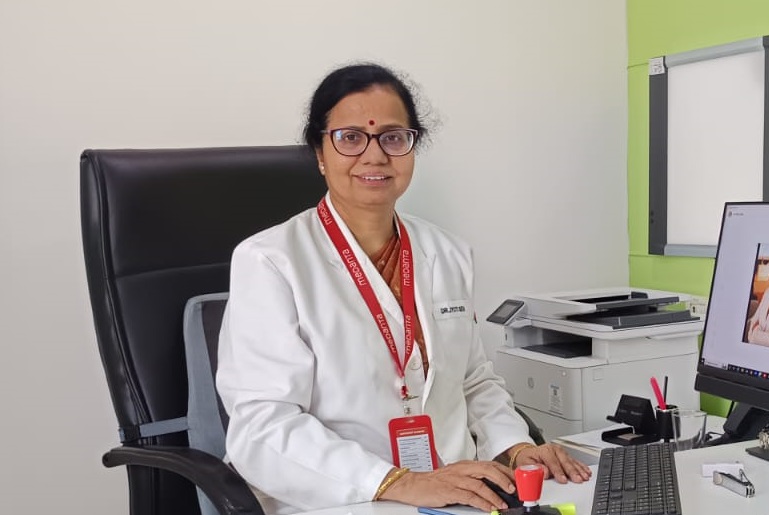
Medanta- The Medicity, ranked India’s best hospital by Newsweek in 2026, offers a comprehensive neuro-rehabilitation programme tailored to individual patient needs. Dr. Jyoti Sehgal, Director, Neurology at Medanta Gurugram, said, “Many people believe that treatment for a neurological condition ends once the patient is stabilised. In reality, recovery truly begins with rehabilitation. Structured rehabilitation enables the brain and body to relearn lost functions, adapt to new limitations, and regain confidence. The earlier and more consistently this process begins, the better the outcomes.”
According to the Indian Council of Medical Research, India sees nearly 1.8 million new stroke cases annually, with a rising burden of neurological disorders, particularly in regions like the Northeast. Recovery timelines vary -- while stroke and trauma patients may improve over weeks or months, conditions like Parkinson’s and Alzheimer’s require ongoing therapy.
Rehabilitation is multidisciplinary, involving physiotherapy, speech therapy, occupational therapy, and psychological support. These programmes must be carefully tailored to each patient, taking into account the type and severity of neurological injury, functional limitations, lifestyle needs, and recovery goals. A personalised approach ensures that therapy targets not just movement, but also speech, cognition, and the ability to return to daily activities and work, making recovery more meaningful and sustainable.
Family support is equally vital. Dr. Sehgal said, “With the right care, structured rehabilitation, and strong support systems, many patients can regain independence and lead meaningful lives. Since recovery is a long and demanding process that requires sustained effort, active participation from the entire family can significantly improve outcomes.”
She emphasized that managing risk factors such as hypertension, diabetes, and high cholesterol is essential -- not only to prevent stroke but also to reduce complications across neurological conditions.
Dr. Sehgal also noted that there is also a common misconception that recovery from a neurological condition occurs only within the first few weeks or months. She explained, “In reality, the brain has a remarkable ability to heal and adapt through a process known as neuroplasticity. Even if a patient seeks care after several months or even years, recovery is still possible. With consistent stimulation and structured rehabilitation, the brain and nervous system can continue to regain function over time.”