1068
1068
 Request Call Back
 Contact
 1068
1068
Hope for Kidney Cancer Patients as Medanta Highlights Advanced Surgeries to Preserve Organ Function
Hisar, 24 April 2026: Kidney cancers or renal cell carcinomas (RCC) are among the top ten cancers prevalent in India. They usually originates in the small tubules present in the kidney and are typically very resistant to radiation therapy, which is why the main treatment for this type of cancer is surgery -- either radical nephrectomy (complete removal of the affected kidney) or partial nephrectomy (removal of only the tumor, while leaving the rest of the kidney behind).
Showcasing medical progress in nephrectomy while carrying a message of hope to Hisar, specialists from Medanta- The Medicity, named the Best Hospital in India by Newsweek in 2026, stated that with advances in robotic surgery, surgeons try to save as much of the kidney as possible, depending on size and location of the tumor, along with the patient’s health.
Dr. Gagan Gautam, Chairman – Uro Oncology & Robotic Surgery, Kidney & Urology Institute at Medanta- The Medicity, Gurugram said, “Radical nephrectomy is the mainstay of treatment for cancers where the tumor is greater than 7cm in diameter, or when the location is of the tumor is close to major blood vessels and selective removal of the kidney isn’t feasible. However, partial nephrectomy is a significant advancement in the treatment of small kidney cancers as it leaves the remaining, unaffected part of the organ intact, thus enabling the preservation of maximum kidney function.”
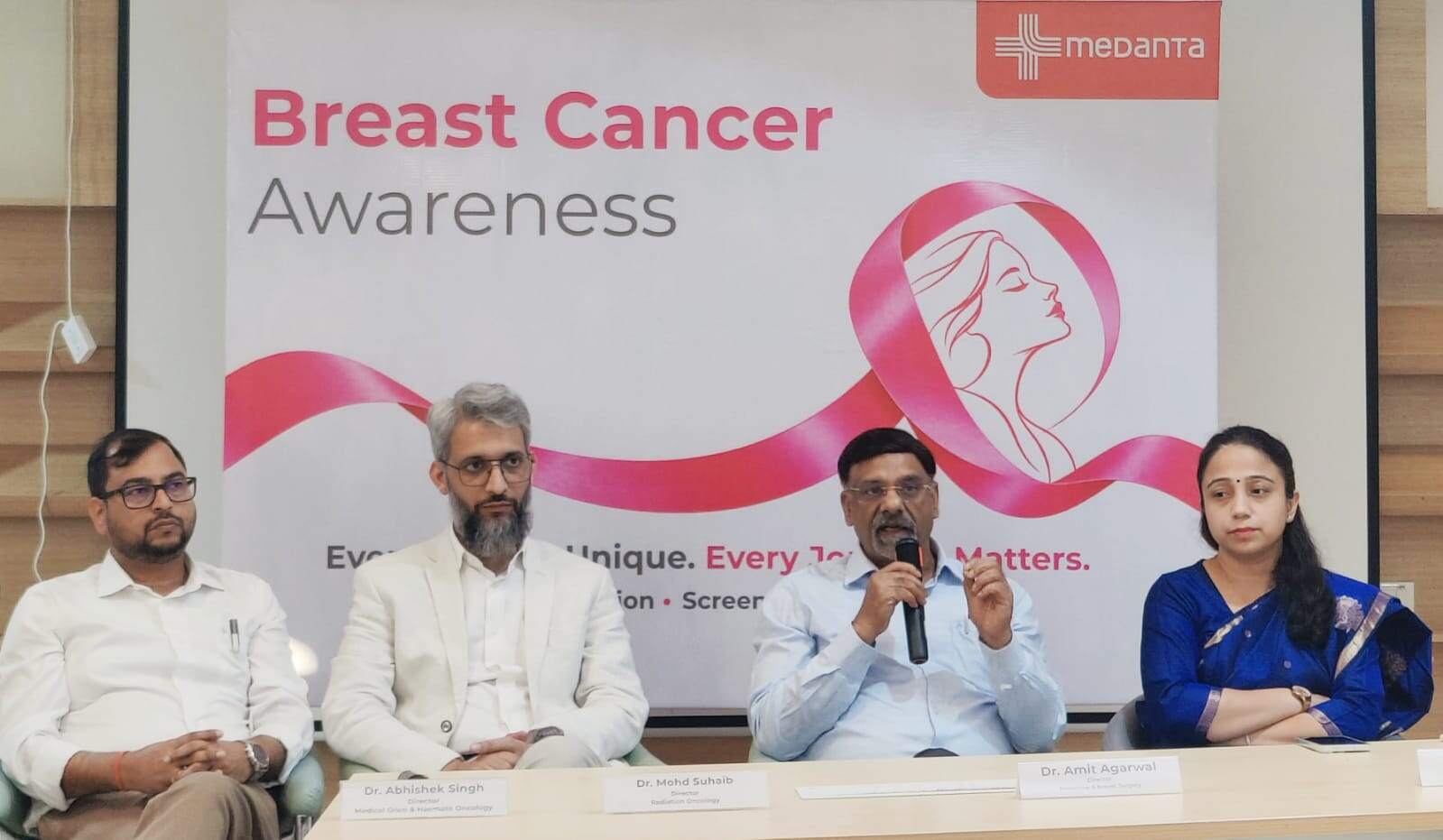
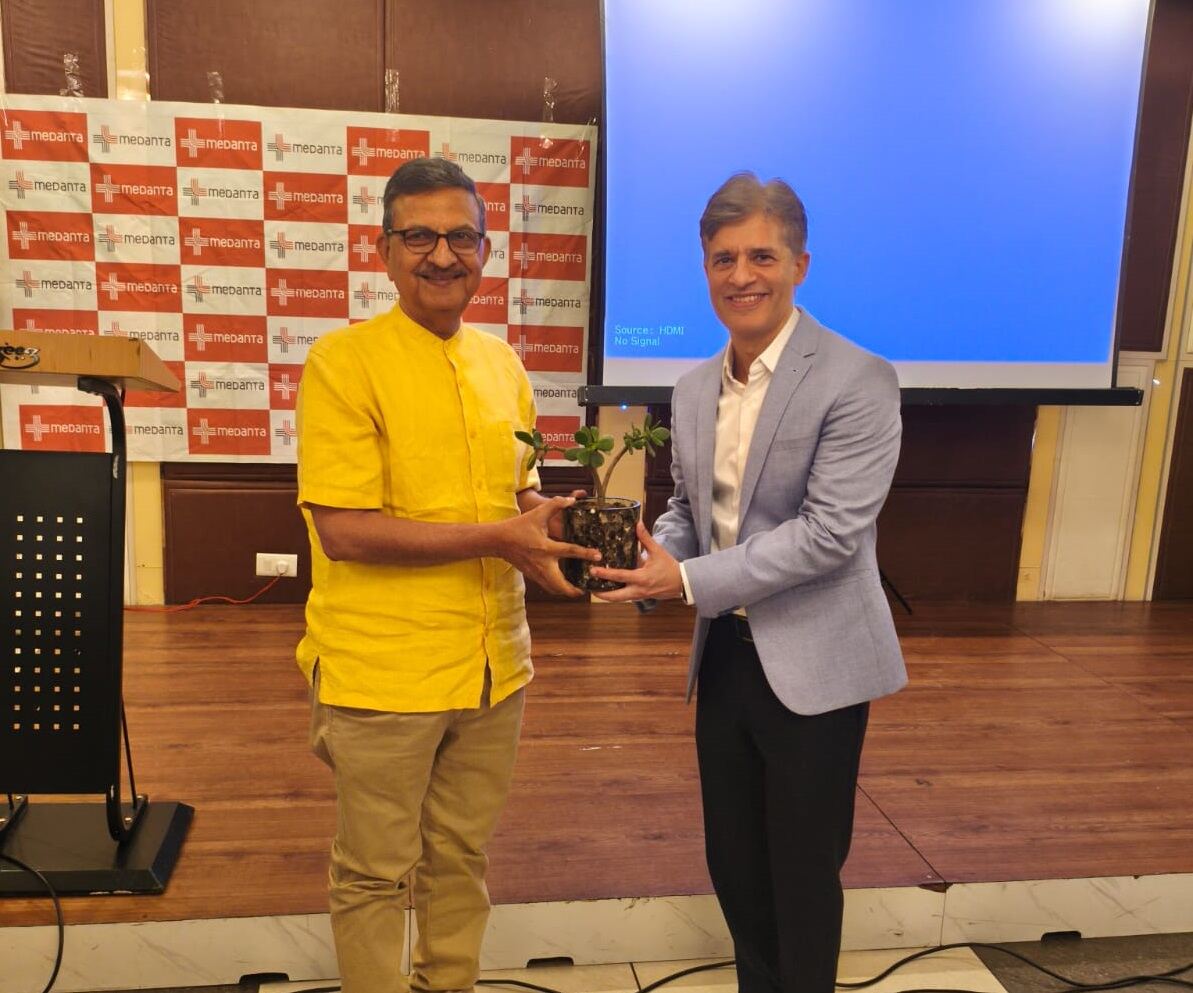
He was speaking in Hisar at a panel discussion organized by Medanta in association with the Surgeon's Club, Hisar on the topic “Surgical Nuance in Renal Cancer: When, Where, and How Much to Cut”. Dr. Gagandeep Talwar, Consultant, Uro Oncology & Robotic Surgery, Kidney & Urology Institute at Medanta Gurugram shared his insights on robotic surgery during the discussion. Surgeon's Club, Hisar president Dr. Rajeev Dabla, secretary Dr. Deepak Mittal, and senior medical practitioners from Hisar and the surrounding regions were present at the program as well.
India reports around 16,000-18,000 new kidney cancer cases every year, and Haryana alone accounts for around 700 new cases per annum. Early detection is vital for successful treatment outcomes, though nowadays, most kidney cancers are discovered by chance while undergoing an ultrasound or CT scan for some other complaint -- a scenario that doctors call “incidental detection”.
There are several advantages to partial nephrectomy -- it significantly decreases the chances of chronic renal failure and the future possibility of needing dialysis. It also decreases the chances of developing secondary medical problems due to decreased kidney function including high blood pressure, heart attacks, and brain strokes. In fact, researchers have found that on average, patients who have undergone partial nephrectomy live longer than those who undergo radical nephrectomy.
Dr. Gagan Gautam, Chairman – Uro Oncology & Robotic Surgery, Kidney & Urology Institute at Medanta- The Medicity, Gurugram, said, “Partial nephrectomy can be done through open, laparoscopic, or robotic methods, but the procedure is ideally suited for robotic surgery. Removing only the tumor is a complex procedure that requires a high level of skill and experience. Robotic surgery helps the surgeon perform this more easily and with greater precision, giving the operating doctor a clear, zoomed-in 3D view during the procedure, helping them see small details better and making the operation safer. This method also allows better repair of the kidney after the tumor is removed, reducing the chances of bleeding or urine leakage, and offers the benefits of minimally invasive surgery, such as less pain, smaller cuts, quicker recovery, and a shorter hospital stay.”