1068
1068
 Request Call Back
 Contact
 1068
1068
Synovial Fluid: Function and Natural Ways to Increase Joint Fluid
Published on: Sep 29, 2026
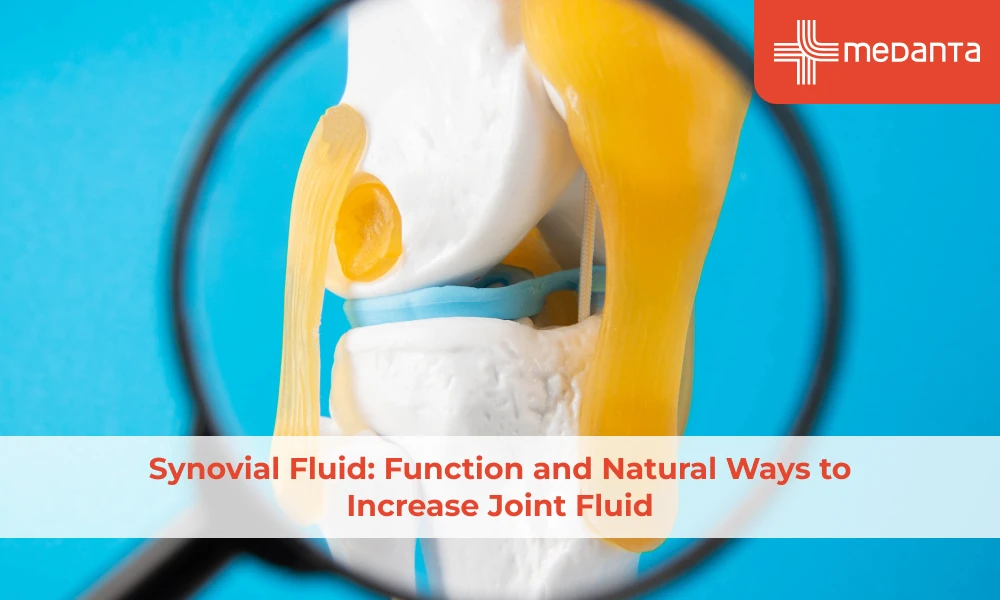
TABLE OF CONTENTS
- What Is Synovial Fluid?
- Function of Synovial Fluid in Joint Health
- What Happens When Synovial Fluid Is Low?
- Foods That Help Increase Synovial Fluid Naturally
- How to Increase Synovial Fluid in the Knee
- Exercises and Lifestyle Habits for Better Joint Lubrication
- When Low Joint Fluid Needs Medical Treatment
- Conclusion
- FAQs
- References
Synovial fluid is the clear, viscous fluid that fills the cavities of synovial joints including the knee, hip, shoulder, ankle and wrist. It is produced by the synovial membrane, a specialised tissue lining the inner surface of the joint capsule and serves as the primary lubricant, shock absorber and nutrient delivery system for joint cartilage, which has no direct blood supply of its own.
When synovial fluid is adequate in volume and quality, joints move freely and painlessly. When production falls or its composition deteriorates, cartilage is inadequately nourished and lubricated, leading to a feeling of increased friction, stiffness, pain and accelerated cartilage breakdown. Understanding how synovial fluid works and how to support its production naturally is important for anyone living with joint pain or early osteoarthritis.
What Is Synovial Fluid?
Synovial fluid is an ultrafiltrate of blood plasma that has been modified by synoviocytes (specialised cells of the synovial membrane) to give it its unique viscoelastic properties. Its composition includes hyaluronic acid (the principal molecule responsible for its viscosity and lubricating properties), lubricin (a glycoprotein that provides boundary lubrication at the cartilage surface), proteins, glucose, white blood cells in small numbers and electrolytes.
In a healthy adult knee, approximately one to three millilitres of synovial fluid are present, a volume that increases significantly during inflammatory conditions such as rheumatoid arthritis, gout and post-traumatic joint effusion.
Function of Synovial Fluid in Joint Health
They are:
Lubrication: Synovial fluid provides two forms of lubrication: hydrodynamic lubrication, which separates moving joint surfaces with a continuous film of fluid, and boundary lubrication, provided primarily by lubricin, which prevents direct surface-to-surface contact under very high loads.
Shock absorption: The viscous nature of synovial fluid absorbs and distributes the compressive and shear forces joints experience during weight-bearing activity preventing mechanical stress concentration at any single point on the cartilage surface.
Nutrient delivery to cartilage: Articular cartilage has no blood vessels and receives all its nutrients directly from synovial fluid. This exchange depends on joint movement which creates a pumping action that drives synovial fluid in and out of the porous cartilage matrix. Prolonged immobility stops nutrient supply of cartilage and accelerates its degeneration.
Waste removal and immune surveillance: The small number of white blood cells present in normal synovial fluid clear cellular debris, microorganisms and foreign material from the joint space.
What Happens When Synovial Fluid Is Low?
Reduced synovial fluid volume or deterioration in its composition produces a characteristic set of symptoms that worsen over time (if the underlying cause is not addressed).
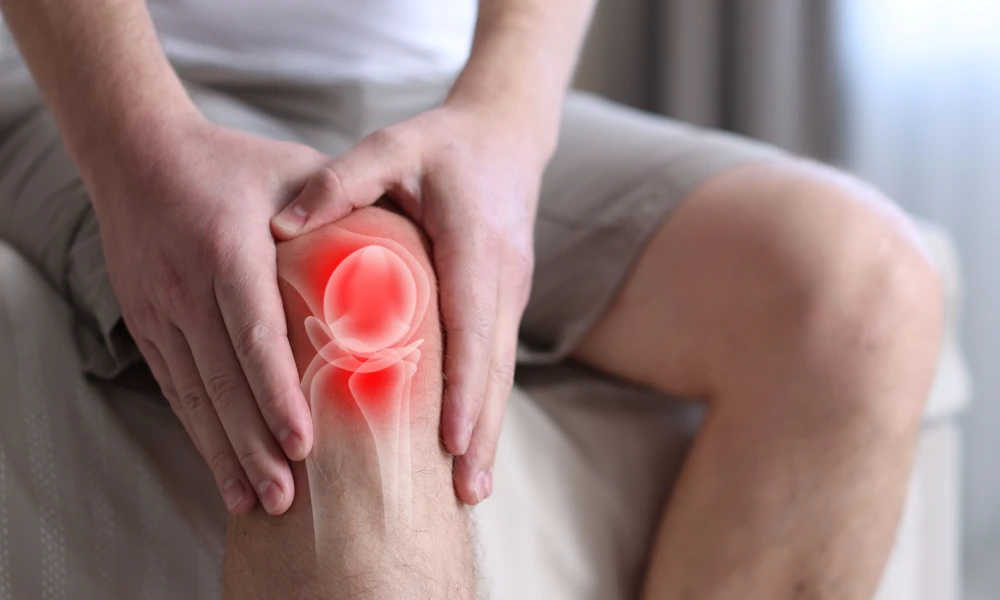
Joint stiffness and pain on movement: Reduced lubrication increases friction between articular cartilage surfaces making your joint movement stiff (particularly after periods of inactivity).
Crepitus (joint sounds): Inadequately lubricated cartilage on cartilage or bone on bone contact produces grinding that you can hear and feel or crunching sensations during joint movement.
Cartilage degeneration: Over time inadequate nutrient delivery and increased mechanical friction accelerate cartilage breakdown (responsible for osteoarthritis).
Foods That Help Increase Synovial Fluid Naturally
Diet influences joint health through its effects on systemic inflammation, hyaluronic acid synthesis, collagen production and the availability of micronutrients required by synoviocytes.
Omega-3 fatty acids: Flaxseeds (alsi), walnuts, chia seeds and fatty fish have omega-3 fatty acids which reduce systemic inflammation and preserve the synovial membrane.
Vitamin C rich foods: Vitamin C is essential for collagen synthesis which forms the structural scaffold of joint cartilage and the synovial membrane (Found in amla (Indian gooseberry), guava, lemon and green capsicum).
Turmeric and ginger: Curcumin (haldi) and gingerols (adrak) are potent natural anti inflammatory agents with evidence from clinical trials for reducing joint pain and stiffness in osteoarthritis.
Adequate hydration: Adults in India should aim for 2-3 litres of water daily.
Plant-based joint foods: Dark leafy vegetables including spinach, methi (fenugreek leaves) and mustard greens provide vitamin K, calcium, magnesium and polyphenols that are good for your joint health. Toor dal, moong dal and rajma provide plant protein essential for cartilage and synovial membrane maintenance. Millets including ragi, jowar, and bajra provide magnesium and silicon (both associated with connective tissue health).
How to Increase Synovial Fluid in the Knee
The knee is the largest synovial joint in the body and the most commonly affected by osteoarthritis and traumatic injury. Specific strategies to support synovial fluid production in the knee include the following.
Maintain a healthy body weight: Each kilogram of excess body weight adds approximately four kilograms of additional force on the knee during walking, making weight management the single most effective long-term intervention for protecting the knee joint.
Low-impact movement: Regular low impact joint movement is the most direct stimulus for synovial fluid production. Walking, cycling and swimming are best for knee joint lubrication (they do not give you excessive compressive load).
Glucosamine and hyaluronic acid supplementation: Glucosamine sulphate (1500 mg per day) can reduce osteoarthritis pain in your knees and slow cartilage degradation. Intra articular injection of hyaluronic acid (viscosupplementation) increases fluid viscosity in your joint.
Quadriceps strengthening through physiotherapy: Strong quadriceps muscles reduce compressive load on the knee thus they protect your articular cartilage and improve joint stability.
Exercises and Lifestyle Habits for Better Joint Lubrication
Aerobic exercise: Walking, cycling and swimming can increase synovial fluid production and reduce systemic inflammation (all this without giving excessive stress to joint surfaces). The current recommendation for adults with osteoarthritis is at least 150 minutes of moderate intensity, low impact aerobic exercise per week.
Yoga: Postures including Vajrasana (thunderbolt pose), Setu Bandhasana (bridge pose), and Virabhadrasana (warrior pose) improve joint range of motion, reduce joint stiffness, and stimulate synovial fluid production through gentle, controlled joint movement.
Avoiding prolonged immobility: Standing briefly and performing three to five minutes of gentle joint movement every 30 to 45 minutes during prolonged sitting maintains synovial fluid distribution and prevents cartilage nutrient depletion (particularly important for office workers and older adults).
Reducing alcohol and avoiding smoking: Smoking increases systemic oxidative stress and accelerates articular cartilage degradation. Excess alcohol intake is associated with gout, in which uric acid crystals precipitate in synovial joints and cause acute, severe joint inflammation that damages the cartilage and synovial membrane.
When Low Joint Fluid Needs Medical Treatment
Natural dietary and lifestyle measures are appropriate for mild joint discomfort and early-stage joint disease. The following situations require medical evaluation and treatment.
A joint that is visibly swollen, warm or tender to the touch.
Joint pain that is severe or accompanied by systemic symptoms like fever, weight loss, fatigue, morning stiffness lasting more than one hour, or skin and eye changes.
When a patient can no longer use a joint for normal activities of daily life, conservative measures are insufficient and a medical or surgical opinion is required doctors suggest medical treatment options like intra-articular corticosteroid injections, viscosupplementation with hyaluronic acid, PRP injections, and total joint replacement surgery.
Conclusion
Synovial fluid is the foundation of healthy joint function. By lubricating joint surfaces, absorbing mechanical shock, delivering nutrients to cartilage and removing metabolic waste, it protects the structural integrity of every synovial joint in the body. When synovial fluid volume or quality is compromised, joint stiffness, pain, crepitus and accelerated cartilage degeneration follow.
For most people with early joint stiffness or mild osteoarthritis, a combination of adequate hydration, an anti-inflammatory diet rich in omega-3 fatty acids, vitamin C, turmeric, and amla, regular low-impact exercise, weight management, and targeted physiotherapy provides a meaningful and evidence-supported foundation for protecting joint health. Medical evaluation is indicated when joint swelling is significant, pain is severe or rapidly worsening, or normal function is compromised.
FAQs
What is synovial fluid and what does it do?
Synovial fluid is the clear viscous fluid found inside synovial joints including the knee, hip, shoulder, ankle and wrist. It is produced by the synovial membrane that lines the inner surface of the joint capsule. Synovial fluid lubricates joint surfaces, absorbs compressive forces during movement, delivers nutrients to the avascular articular cartilage, removes metabolic waste from the cartilage matrix and performs immune surveillance within the joint space.
What foods help increase synovial fluid naturally?
Foods that support synovial fluid production include omega-3 rich foods such as flaxseeds (alsi), walnuts, and fatty fish; vitamin C rich Indian foods including amla, guava, lemon and green capsicum; turmeric (haldi) and ginger (adrak) for their anti-inflammatory properties; green leafy vegetables including palak, methi, and sarson and adequate water intake of two to three litres per day.
How can I increase synovial fluid in my knee naturally?
To increase synovial fluid in the knee naturally: maintain a healthy body weight; perform regular low-impact exercise (such as walking, cycling, or swimming); consume an anti-inflammatory diet rich in omega-3 fatty acids, vitamin C, turmeric and amla; stay well hydrated with two to three litres of water daily; and consider glucosamine sulphate supplementation (1,500 mg per day). Physiotherapy focused on quadriceps strengthening is also highly effective.
What causes low fluid between the joints?
Low synovial fluid volume or reduced quality can result from age-related decline in synoviocyte function and hyaluronic acid production (which begins from the fourth decade of life), osteoarthritis, dehydration, prolonged joint immobility, inflammatory joint diseases including rheumatoid arthritis & gout and previous joint surgery or trauma that damages the synovial membrane.
What are the symptoms of low synovial fluid?
The symptoms of reduced synovial fluid include:
Joint stiffness particularly after periods of inactivity
Joint pain during weight-bearing activity such as walking, stair climbing or squatting
Crepitus (audible or palpable grinding or crunching during joint movement)
Reduced range of motion
Progressive joint pain and disability due to accelerated cartilage degeneration.
Can exercise help increase joint fluid?
Joint movement is the primary physiological stimulus for synovial fluid production and distribution. The repetitive compression and relaxation of the joint during movement creates a pumping action that drives synovial fluid in and out of the porous cartilage matrix. Low-impact aerobic exercise, yoga and physiotherapy exercises are all effective at maintaining synovial fluid production and circulation.
Is synovial fluid the same as joint lubricant?
Synovial fluid is the natural joint lubricant produced by the body, performing lubrication through hydrodynamic lubrication (a continuous film of fluid separating moving joint surfaces) and boundary lubrication provided by lubricin (a glycoprotein in synovial fluid). Intra-articular hyaluronic acid injections (viscosupplementation) supplement or replace the lubricating function of natural synovial fluid in patients with osteoarthritis.
What supplements help synovial fluid production?
Supplements with evidence for supporting joint fluid and joint health include: glucosamine sulphate (1,500 mg per day); chondroitin sulphate, which inhibits cartilage-degrading enzymes; omega-3 fatty acids (fish oil or flaxseed oil); vitamin C (amla, ascorbic acid); vitamin D; and oral hyaluronic acid.
Can dehydration reduce synovial fluid?
Yes. Synovial fluid is largely water-based, and inadequate fluid intake directly reduces its volume and viscosity, increasing friction between joint surfaces.
When should I see a doctor about joint fluid issues?
Seek medical evaluation if any of the following apply:
Significant joint swelling, warmth or redness that develops rapidly, particularly after trauma or with fever
Joint pain that is severe or not responding to simple analgesics
Morning joint stiffness lasting more than one hour, suggesting inflammatory arthritis
Joint pain accompanied by fever, unexplained weight loss or fatigue
Inability to bear weight on or fully use a joint.
References
1. Blewis ME, Nugent-Derfus GE, Schmidt TA, Schumacher BL, Sah RL. A model of synovial fluid lubricant composition in normal and injured joints. Eur Cell Mater. 2007;13:26–39. https://doi.org/10.22203/ecm.v013a03
2. Ayhan E, Kesmezacar H, Akgun I. Intraarticular injections (corticosteroid, hyaluronic acid, platelet rich plasma) for the knee osteoarthritis. World J Orthop. 2014;5(3):351–61. https://doi.org/10.5312/wjo.v5.i3.351
3. Henrotin Y, Marty M, Mobasheri A. What is the current status of chondroitin sulfate and glucosamine for the treatment of knee osteoarthritis?. Maturitas. 2014;78(3):184–7. https://doi.org/10.1016/j.maturitas.2014.04.015
4. Fransen M, McConnell S, Harmer AR, et al. Exercise for osteoarthritis of the knee: a Cochrane systematic review. Br J Sports Med. 2015;49(24):1554–7. https://doi.org/10.1136/bjsports-2015-095424
5. Mobasheri A, Batt M. An update on the pathophysiology of osteoarthritis. Ann Phys Rehabil Med. 2016;59(5-6):333–9. https://doi.org/10.1016/j.rehab.2016.07.004