1068
 Request Call Back
 Contact
 1068
Warfarin: Uses, Side Effects, Precautions and Dosage
Warfarin
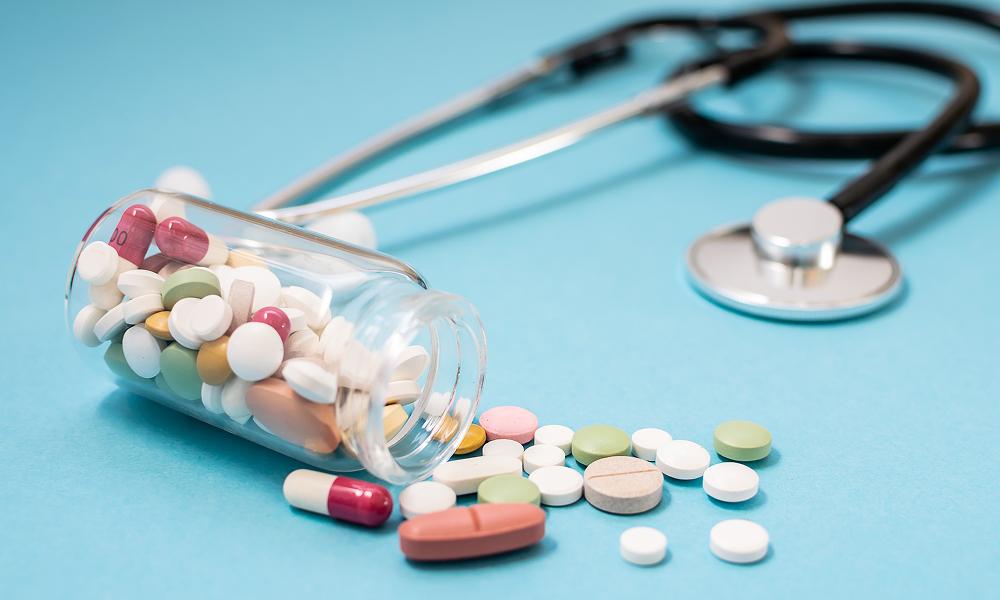
Warfarin is a vitamin K antagonist that is the most commonly prescribed oral anticoagulant. It prevents the liver from producing functional clotting factors II, VII, IX and X, slowing coagulation sufficiently to reduce thrombotic events in patients with markedly elevated clotting risk. Despite newer direct oral anticoagulants, warfarin remains the only option for specific indications particularly mechanical heart valve replacement where direct oral anticoagulants are not suitable. Its narrow therapeutic window, extensive interactions and requirement for regular INR monitoring make it among the most pharmacologically demanding medicines in routine clinical use.
What is Warfarin Used For?
Cardiac Indications
In atrial fibrillation (AF) warfarin prevents stroke caused by blood clots forming in the left atrial appendage when the heart beats irregularly.
Warfarin is the only anticoagulant currently approved for long-term use in patients with prosthetic mechanical valves, which carry high intrinsic clotting risk.
Dilated cardiomyopathy with significantly reduced ejection fraction and intracardiac thrombus detected on echocardiography.
Venous Thromboembolic Disease
Deep vein thrombosis (DVT): Treatment and secondary prevention of clots forming in the deep veins of the leg or pelvis.
Pulmonary embolism (PE): Treatment and prevention of recurrent clots in the pulmonary arterial circulation
Antiphospholipid syndrome: Long term anticoagulation with warfarin prevents recurrent arterial and venous thrombosis in this autoimmune hypercoagulable state.
How Does Warfarin Help Prevent Blood Clots
Warfarin inhibits VKORC1 (vitamin K epoxide reductase), the enzyme that recycles vitamin K to its active form. Without active vitamin K, the liver cannot produce functional clotting factors II, VII, IX, and X, slowing the entire coagulation cascade. The result is a controlled reduction in clotting ability, enough to prevent pathological clot formation without causing spontaneous bleeding when the dose is correctly calibrated.
Anticoagulation is measured by the International Normalised Ratio (INR) which indicates how much longer the blood takes to clot compared with normal. For most indications a target INR of 2.0 to 3.0 is maintained; mechanical mitral valves require 2.5 to 3.5.
How Should Warfarin Be Taken?
Take at the same time every day: consistent timing stabilises plasma levels; evening dosing is conventional but morning is acceptable if maintained consistently.
Take exactly the prescribed dose: Warfarin is individualised by INR; never adjust or skip without physician instruction.
If a dose is missed: Take it the same day as soon as remembered; if the next day has arrived, skip and resume the regular schedule never double dose.
Keep a dose diary: Record each dose and INR results; valuable at clinic visits and in emergencies.
Carry a warfarin alert card: Emergency doctors must know anticoagulant status to manage wounds and avoid interacting drugs.
Do not stop suddenly: Temporary cessation before a procedure requires a coordinated bridging plan with the doctor.
Why is INR Monitoring Important During Warfarin Treatment
Warfarin has one of the narrowest therapeutic windows in routine clinical use. An INR below 2.0 means inadequate anticoagulation and clot risk remains dangerously elevated. Above 3.5 spontaneous bleeding risk including intracranial haemorrhage rises sharply. Neither extreme reliably produces visible symptoms until a serious event occurs.
INR is checked weekly when warfarin is first started then monthly or every six weeks once stable. Diet changes, new medications, illness and alcohol intake can all shift INR significantly. Routine monitoring is not optional but it is how this drug is made safe.
Foods to Avoid or Limit While Taking Warfarin
High-Vitamin K Foods: Limit, Do Not Eliminate
Leafy greens: Spinach, methi, mustard leaves, curry leaves, coriander & kale contain vitamin K1, which directly counteracts warfarin and lowers INR.
Cauliflower, broccoli, and cabbage: Moderate vitamin K; consistent moderate amounts are acceptable but sudden large increases destabilise INR.
Consistency matters more than elimination: A stable daily vitamin K intake lets the warfarin dose be calibrated around it. Sudden swings like large methi one day, none the next are what cause dangerous INR shifts.
Foods and Substances That Raise Bleeding Risk
Alcohol: Even moderate alcohol consumption can elevate INR unpredictably; heavy alcohol use significantly increases bleeding risk and should be avoided.
Grapefruit and cranberry juice: Both inhibit hepatic metabolism of warfarin, raising plasma warfarin levels and INR; clinical guidelines recommend avoiding both.
Herbal supplements: Garlic, ginger, turmeric in medicinal quantities, ginkgo biloba and fish oil all increase bleeding risk and may interact with warfarin's anticoagulant effect.
Warfarin Side Effects and Signs of Bleeding
Common side effects are:
Bleeding from trivial to life-threatening is the primary adverse effect. Minor bleeding includes prolonged bleeding from cuts, easy bruising, heavier menstrual bleeding and blood-tinged urine (these warrant prompt INR checking)
Major bleeding requires emergency care and includes vomiting or coughing blood, black or tarry stools, sudden severe headache or vision change, joint swelling without injury or any head trauma.
Warfarin-induced skin necrosis (painful discolouration progressing to skin death over fatty areas) is a rare but serious first-week complication.
'Purple toe syndrome' from cholesterol emboli is also reported.
Who Should Avoid Warfarin?
Certain groups of people should avoid warfarin. They are:
Active major bleeding from any source: Warfarin must be stopped and reversal considered with vitamin K or four-factor prothrombin complex concentrate.
Recent neurosurgery, ophthalmic surgery or traumatic intracranial bleed: The risk of rebleeding into confined spaces is unacceptably high.
Pregnancy: Warfarin crosses the placenta and causes warfarin embryopathy in the first trimester (nasal hypoplasia, stippled epiphyses) and foetal intracranial bleeding at any stage; low molecular weight heparin is used instead.
Uncontrolled hypertension (systolic above 180 mmHg): Warfarin markedly increases intracranial bleeding risk.
Significant alcoholism: Erratic INR, poor compliance and fall risk make safe anticoagulation very difficult.
Dementia without reliable carer oversight: Consistent dosing and symptom recognition are both required for safe use.
Precautions
Inform all your doctors (dentist, surgeon, anaesthetist) before any procedure; warfarin requires planned bridging or temporary cessation peri-procedurally.
Avoid contact sports and high fall-risk activities; trauma-related bleeding is far more severe in anticoagulated patients.
Use paracetamol, not NSAIDs as ibuprofen and diclofenac increase GI bleeding risk and raise INR by displacing warfarin from protein binding.
Maintain a consistent diet; disclose any new dietary regimen, fasting, or supplements to your doctor.
Report illness promptly, including fever, vomiting and diarrhoea as they alter absorption and metabolism of warfarin.
Drug Interactions with Warfarin
Key drug interactions are:
Antibiotics like metronidazole, fluconazole, ciprofloxacin
Amiodarone
Aspirin and antiplatelets
Carbamazepine
Phenytoin
Rifampicin
Thyroid hormones.
Conclusion
Warfarin remains essential where no alternative exists including mechanical heart valves, antiphospholipid syndrome and recurrent VTE. Its clinical value depends on consistent dosing, regular INR monitoring, dietary stability and bleeding vigilance. Anticoagulation doctors provide structured warfarin management: INR tracking, dose adjustment, patient education and procedural coordination to maintain safe anticoagulation throughout treatment.
FAQs
What is warfarin and why is it prescribed?
Warfarin is a vitamin K antagonist that slows blood clotting. It is prescribed to prevent strokes in atrial fibrillation, treat deep vein thrombosis & pulmonary embolism. It also protects patients with mechanical heart valves.
How does warfarin help prevent blood clots?
Warfarin inhibits VKORC1 (the enzyme that recycles vitamin K) blocking production of clotting factors II, VII, IX and X. This slows the coagulation cascade sufficiently to prevent pathological clot formation while leaving some clotting capacity intact.
How should I take warfarin?
Take the prescribed dose at the same time each day typically evening. Never self-adjust the dose. Carry a warfarin alert card, keep a dose diary and attend all INR monitoring appointments.
What should I do if I miss a dose of warfarin?
Take the missed dose on the same day as soon as you remember. If the following day has already begun, skip it and resume the usual schedule. Never take two doses together to compensate for a missed one.
What are the common side effects of warfarin?
Easy bruising, prolonged bleeding from cuts, heavier menstrual periods and blood-tinged urine are common minor effects. Serious effects are gastrointestinal bleeding, intracranial haemorrhage and rarely warfarin-induced skin necrosis in the first treatment week.
What are the warning signs of serious bleeding?
Seek emergency care for vomiting blood, black or tarry stools, sudden severe headache, vision changes, joint swelling without injury or uncontrolled bleeding from any site. Head injury on warfarin always requires immediate medical review.
What foods should I avoid while taking warfarin?
Avoid large or sudden increases in vitamin K-rich foods like leafy greens, methi and curry leaves. Avoid alcohol, grapefruit juice and cranberry juice. Consistency of dietary vitamin K intake is more important than eliminating individual foods.
Can warfarin interact with other medicines or supplements?
Antibiotics, amiodarone, aspirin, NSAIDs, and herbal supplements including garlic, ginkgo, and turmeric all interact with warfarin. Inform every prescriber before starting any new medicine or supplement.
Why do I need regular blood tests while taking warfarin?
INR measures anticoagulation intensity. Below target means clot risk remains high; above target raises bleeding risk. Diet, illness and new medications shift INR so regular monitoring detects and corrects these changes before they cause harm.
What precautions should I take while using warfarin?
Inform all doctors including dentists and surgeons. Use paracetamol, not NSAIDs. Avoid fall-risk activities. Keep diet consistent. Report illness or new medication promptly and never stop warfarin without doctor guidance.
References