1068
1068
 Request Call Back
 Contact
 1068
1068
Linezolid: Uses, Side Effects, Precautions and Dosage
Linezolid
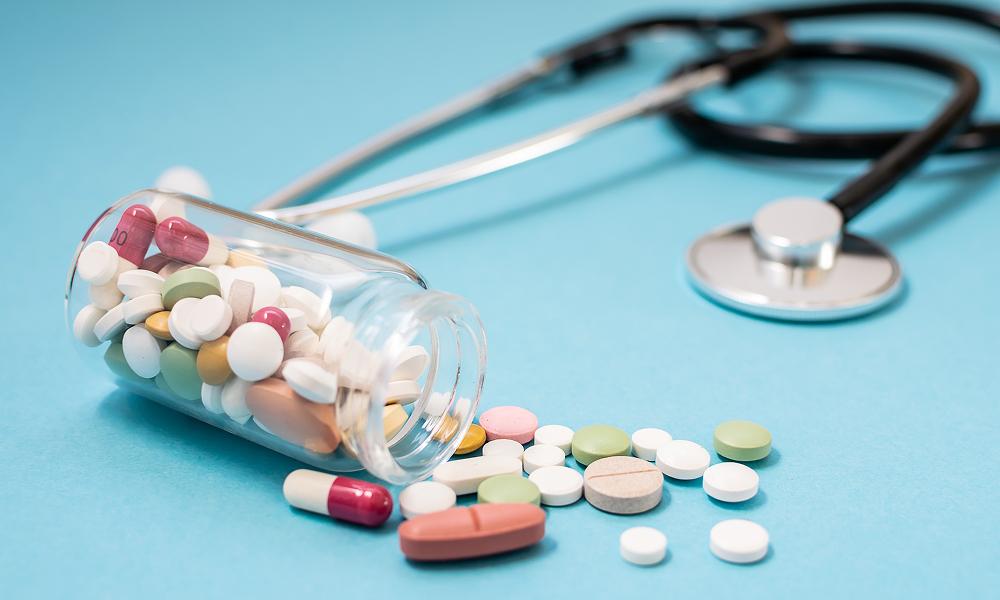
Linezolid is a synthetic antibiotic used to treat serious infections caused by gram-positive bacteria particularly those resistant to older antibiotic classes including vancomycin. It is available in India as tablets (600 mg) and intravenous infusion. Linezolid is a reserved antibiotic, used only when first-line agents have failed or are inappropriate and should be taken under close medical supervision. Treatment courses run 10 to 28 days, extending to several months in drug-resistant tuberculosis.
Drug Class: Oxazolidinone Antibiotic
Linezolid belongs to a class of antibiotics called oxazolidinones, fully synthetic drugs developed specifically to tackle serious bacterial infections. It's effective against many Gram-positive bacteria including strains that have grown resistant to several other antibiotics.
What makes linezolid particularly useful is its structure; it's built differently from penicillins, cephalosporins, macrolides, and vancomycin. Because of that, bacteria that have developed resistance to those drug classes generally haven't developed resistance to linezolid along with it, which makes it a valuable option when treating tougher, harder-to-manage infections. Linezolid was the first oxazolidinone approved for clinical use (FDA, 2000). It is classified as a bacteriostatic antibiotic means it stops bacteria from multiplying rather than killing them outright - relying on the immune system to clear non-replicating bacteria.
What Infections Is Linezolid Used For?
Linezolid is prescribed for serious gram-positive bacterial infections caused by resistant organisms, including:
Vancomycin-resistant Enterococcus faecium (VRE) infections including bloodstream, urinary tract and wound infections
Methicillin-resistant Staphylococcus aureus (MRSA) including skin and soft tissue infections, pneumonia and bloodstream infections
Nosocomial (hospital-acquired) pneumonia caused by gram-positive organisms including MRSA
Community-acquired pneumonia caused by susceptible Streptococcus pneumoniae and Staphylococcus aureus
Complicated skin and skin structure infections caused by gram-positive bacteria
Drug-resistant tuberculosis (MDR-TB and XDR-TB) as a core second-line drug in WHO-recommended regimens.
Tablet vs Injection - When Is Each Form Used?
Linezolid has an unusual pharmacological property: its oral bioavailability is approximately 100%, meaning the tablet achieves blood concentrations essentially equivalent to the intravenous infusion. This makes the tablet suitable for most outpatient situations without loss of efficacy. The intravenous form (600 mg in 300 mL, administered over 30 to 120 minutes) is used in hospitalised patients who cannot tolerate oral medication like those with severe vomiting, impaired swallowing or critical illness. Transition from IV to oral is standard practice once clinical stability is achieved, with no dose adjustment required.
How Linezolid Works Against Drug-Resistant Bacteria
Linezolid inhibits bacterial protein synthesis at the 30S–50S ribosomal subunit interface - a mechanism distinct from all other antibiotic classes targeting protein synthesis (macrolides, lincosamides, aminoglycosides, tetracyclines). It binds to the 23S ribosomal RNA of the 50S subunit, preventing formation of the 70S initiation complex. Because this binding site is shared by no other antibiotic class, there is no pre-existing cross-resistance from bacteria already resistant to other drug classes. Resistance to linezolid itself develops slowly and remains uncommon.
Side Effects of Linezolid Tablets
Common side effects are:
Nausea and vomiting
Diarrhoea
Headache and insomnia
Rash
Altered taste
With prolonged courses beyond 28 days, the risk and severity of side effects increase substantially:
Peripheral neuropathy (tingling, numbness, burning in the hands and feet)
Optic neuropathy (blurred vision, reduced colour discrimination).
Serious Risks: Myelosuppression and Serotonin Syndrome
Myelosuppression: Suppression of bone marrow blood cell production is the most important haematological risk of linezolid. It manifests as anaemia, thrombocytopenia (low platelets, causing bleeding risk) and less commonly neutropenia. The mechanism is mitochondrial toxicity - linezolid's protein synthesis inhibition affects human mitochondrial ribosomes, which are structurally similar to bacterial ribosomes. Weekly full blood count monitoring is mandatory for all patients on linezolid, and the drug should be discontinued promptly if platelet count falls below 100 × 10⁹/L or haemoglobin drops significantly.
Serotonin syndrome: It is a potentially life-threatening reaction caused by excess serotonin activity in the nervous system. Linezolid is a monoamine oxidase inhibitor (MAOI) and it inhibits the enzyme that breaks down serotonin. When combined with serotonergic drugs such as SSRIs (fluoxetine, sertraline, escitalopram), SNRIs, tramadol or pethidine, serotonin accumulates dangerously. Symptoms include agitation, confusion, rapid heart rate, fever and muscle rigidity. The combination of linezolid with serotonergic medications is contraindicated.
Who Must Avoid Linezolid?
Patients currently taking MAO inhibitors (phenelzine, tranylcypromine): The combination causes hypertensive crisis and serotonin syndrome
Patients on SSRIs, SNRIs, tricyclic antidepressants or tramadol: A washout period of at least two weeks from SSRIs is required before starting linezolid
Patients with pre-existing myelosuppression or those taking other bone marrow-suppressing drugs
Patients with uncontrolled hypertension: Linezolid's MAOI activity can cause dangerous blood pressure elevation
Pregnancy: Linezolid crosses the placenta; use only if clearly necessary.
Foods to Avoid While Taking Linezolid (Tyramine Risk)
Linezolid's MAOI activity creates a significant food-drug interaction with tyramine - an amino acid found in fermented and aged foods. When MAO is inhibited, dietary tyramine enters the bloodstream and causes norepinephrine release, leading to sudden and potentially severe blood pressure elevation (hypertensive crisis). Patients on linezolid should avoid:
Aged cheeses (cheddar, parmesan, brie, camembert) that is high tyramine content
Fermented or pickled foods including certain Indian pickles (achar), soy sauce, miso, and tempeh
Tap beer, red wine and undistilled alcoholic beverages
Broad beans (fava beans) and overripe fruit
Fresh dairy products like paneer, fresh milk & curd are generally low in tyramine and acceptable in moderate quantities.
Drug Interactions That Can Be Dangerous
Key interactions are:
Serotonergic drugs like SSRIs, SNRIs, tramadol, pethidine, triptans
Sympathomimetic drugs like pseudoephedrine, phenylephrine in cold medications
Other myelosuppressive drugs like methotrexate, chemotherapy agents, zidovudine.
Linezolid and TB - Its Role in MDR-TB Treatment
In India, where MDR-TB (resistance to at least isoniazid and rifampicin) and XDR-TB represent a serious public health challenge, linezolid is a central component of second-line regimens. The WHO 2022 consolidated guidelines position linezolid as a Group B core drug for MDR-TB treatment. The standard dose is 600 mg daily, often reduced to 300 mg daily after the intensive phase. Duration in MDR-TB typically extends to 18 to 24 months, with monthly blood count monitoring mandatory throughout.
FAQs
What is linezolid tablet used for?
Linezolid tablets are used for serious gram-positive bacterial infections particularly MRSA and VRE including pneumonia, skin and soft tissue infections and bloodstream infections. They are also a core component of MDR-TB and XDR-TB treatment regimens, prescribed only when first-line treatments have failed or cannot be used.
Is linezolid used for tuberculosis (TB) treatment?
Yes linezolid is a WHO Group B core second-line drug for MDR-TB and XDR-TB, included in both the BPaL regimen (bedaquiline, pretomanid, linezolid) and longer MDR-TB treatment courses. In India, linezolid is prescribed under the national programme for eligible MDR-TB patients.
Can linezolid affect blood count or cause anaemia?
Yes myelosuppression is one of the most important side effects of linezolid, especially with prolonged use. It can cause anaemia, thrombocytopenia (low platelets) and neutropenia (low white blood cells) through mitochondrial toxicity. Weekly full blood count monitoring is mandatory.
Why must patients avoid certain foods while on linezolid?
Linezolid inhibits monoamine oxidase (MAO), the enzyme that breaks down tyramine in the gut and liver. When MAO is inhibited and tyramine-rich foods are consumed like aged cheeses, fermented foods, tap beer, red wine and certain Indian pickles tyramine enters the bloodstream and triggers norepinephrine release, causing sudden and potentially severe blood pressure elevation (hypertensive crisis). Fresh dairy products including paneer and curd are generally safe.
How is linezolid different from other antibiotics?
Linezolid is the only oxazolidinone antibiotic in common clinical use. It is fully synthetic and inhibits bacterial protein synthesis at a unique ribosomal binding site (23S rRNA of the 50S subunit), blocking the initiation complex before translation begins. This mechanism is shared by no other antibiotic class, meaning bacteria resistant to penicillins, cephalosporins, macrolides, aminoglycosides or vancomycin have no pre-existing cross-resistance to linezolid.
Can linezolid interact with antidepressants?
Yes this is one of the most clinically significant interactions associated with linezolid. Linezolid is a monoamine oxidase inhibitor (MAOI); combining it with SSRIs, SNRIs, or tricyclic antidepressants can cause serotonin syndrome that is a potentially life-threatening accumulation of serotonin in the nervous system. Symptoms include agitation, confusion, rapid heart rate, fever and muscle rigidity. A washout period from SSRIs of at least two weeks is required before starting linezolid.
How long is linezolid usually prescribed for?
For approved bacterial infections (MRSA pneumonia, skin infections, VRE), standard duration is 10 to 28 days depending on infection type and severity. In MDR-TB, treatment extends to 18 to 24 months as part of a multi-drug regimen.
What is serotonin syndrome and can linezolid cause it?
Serotonin syndrome is a potentially life-threatening reaction caused by excess serotonin activity in the nervous system. Symptoms include agitation, confusion, hyperthermia, rapid heart rate and muscle rigidity - progressing to seizures in severe cases. Linezolid can cause serotonin syndrome when combined with serotonergic drugs like SSRIs, SNRIs, tramadol, pethidine, or triptans. The combination is contraindicated; any patient developing agitation, fever, or muscle twitching on both drugs should receive emergency medical assessment.
Is linezolid available as a tablet or only as an injection?
Linezolid is available in both forms - 600 mg tablets and intravenous infusion (600 mg in 300 mL). Because oral bioavailability is approximately 100%, the tablet and infusion achieve equivalent blood concentrations, making tablets suitable for most outpatient situations.
Is linezolid safe for elderly patients?
Linezolid can be used in elderly patients but requires additional caution. Age-related decline in bone marrow reserve increases the risk of myelosuppression, and existing polypharmacy raises the likelihood of serotonin syndrome or tyramine interactions. No dose adjustment is required for mild to moderate renal impairment. Weekly blood count monitoring and careful medication reconciliation are especially important in elderly patients.
References
1. Diekema DJ, Jones RN. Oxazolidinone antibiotics. Lancet. 2001;358(9297):1975–82. https://doi.org/10.1016/S0140-6736(01)06964-1
2. World Health Organization. WHO consolidated guidelines on drug-resistant tuberculosis treatment. WHO. 2019. https://www.who.int/publications/i/item/9789241550529
3. Bressler AM, Zimmer SM, Gilmore JL, Somani J. Peripheral neuropathy associated with prolonged use of linezolid. Lancet Infect Dis. 2004;4(8):528–31. https://doi.org/10.1016/S1473-3099(04)01109-0
4. Sotgiu G, Centis R, D'Ambrosio L, et al. Efficacy, safety and tolerability of linezolid containing regimens in treating MDR-TB and XDR-TB. Eur Respir J. 2012;40(6):1430–42. https://doi.org/10.1183/09031936.00022912
5. Lin YH, Wu VC, Tsai IJ, et al. High frequency of linezolid-associated thrombocytopenia among patients with renal insufficiency. Int J Antimicrob Agents. 2006;28(4):345–51. https://doi.org/10.1016/j.ijantimicag.2006.07.004