
 1068
1068
 Request Call Back
 Contact
 1068
1068
Acetylcysteine: Uses, Side Effects, Precautions and Dosage
Acetylcysteine
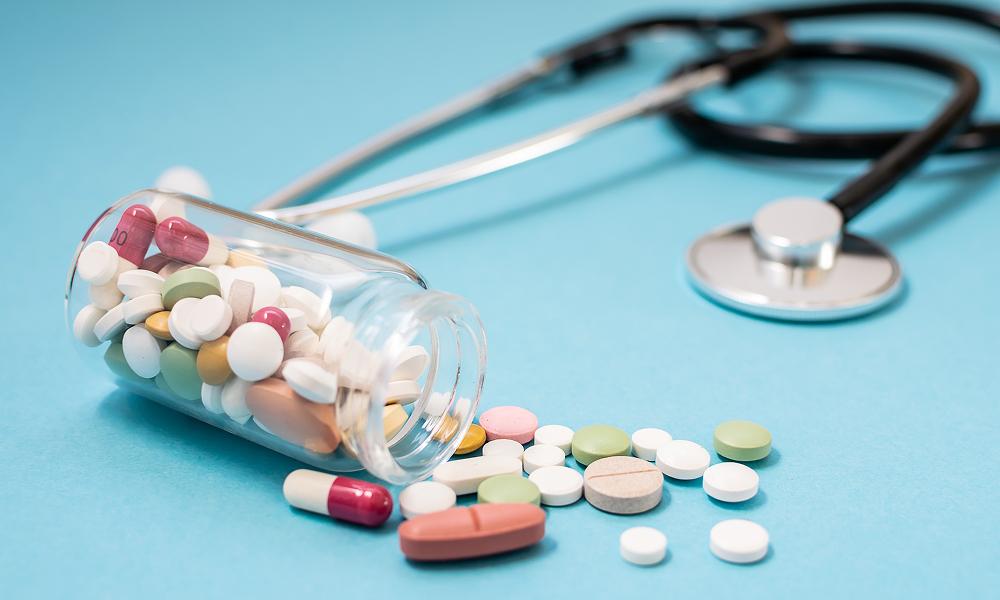
Acetylcysteine also called N-acetylcysteine or NAC is a medicine derived from the naturally occurring amino acid cysteine. It has two entirely distinct medical uses. In respiratory medicine, it is used to thin and loosen thick mucus in conditions such as chronic obstructive pulmonary disease (COPD), bronchiectasis and cystic fibrosis. In emergency medicine, intravenous acetylcysteine is the specific antidote for paracetamol (acetaminophen) overdose - one of the most common causes of acute liver failure. The drug is available in several forms including effervescent tablets, regular tablets and intravenous solutions.
Drug Class and Its Two Main Roles: Mucolytic and Antidote
Acetylcysteine belongs to two pharmacological categories depending on the clinical context in which it is used. As a mucolytic it breaks down and thins mucus by disrupting the chemical structure of mucus glycoproteins, making mucus easier to cough up or clear. As an antidote, it belongs to the category of glutathione precursors and cytoprotective agents - drugs that replenish the liver's natural detoxification capacity to protect it from toxic damage. These two roles share a common biochemical mechanism: both involve the ability of acetylcysteine to donate sulphydryl (thiol) groups that restore or replace depleted protective molecules in the body.
Use as a Mucolytic: Breaking Down Thick Mucus
In healthy airways, mucus is thin enough to be moved upward by cilia toward the throat, where it can be swallowed or coughed out. In respiratory infections, COPD, bronchiectasis and cystic fibrosis, mucus becomes thicker and stickier partly because of increased mucin production and partly because of disulphide bonds that form between mucus glycoprotein chains. These disulphide bonds make the mucus gel-like and resistant to movement.
Acetylcysteine breaks these disulphide bonds directly by donating its free thiol (SH) group. Once the bonds are broken, the mucus becomes thinner, more watery and easier to clear by coughing or ciliary action. In India, acetylcysteine effervescent tablets are widely used for patients with productive cough, COPD exacerbations and bronchiectasis.
Use as a Paracetamol Overdose Antidote
Paracetamol is safe at recommended doses but acutely toxic to the liver in overdose. When someone takes a large amount of paracetamol, the liver's normal detoxification pathway becomes overwhelmed. A toxic metabolite called NAPQI (N-acetyl-p-benzoquinone imine) accumulates in the liver cells. NAPQI rapidly depletes the liver's supply of glutathione - the cell's main antioxidant and detoxifying molecule. Once glutathione is exhausted, NAPQI binds to liver cell proteins, causing cell death and if untreated fulminant hepatic failure.
Acetylcysteine works as an antidote by rapidly replenishing glutathione stores. It is converted inside the cell into cysteine, which is the rate-limiting precursor for glutathione synthesis. By restoring glutathione acetylcysteine allows the liver to neutralise NAPQI before it causes irreversible damage. For maximum effectiveness, intravenous acetylcysteine must be started within 8 to 10 hours of ingestion.
Effervescent Tablets vs Regular Tablets - Which Is Used When?
Effervescent tablets (600 mg): The standard form for mucolytic use in adults. The tablet is dissolved in a glass of water before drinking; the effervescent formulation produces better dissolution and faster absorption than a standard solid tablet; the dissolved solution must be taken immediately after preparation as the active drug degrades once dissolved
Regular (non-effervescent) tablets and sachets: Available in 200 mg and 600 mg strengths; used when effervescent tablets are not available or not preferred; sachets are available for mixing with water; absorption is slightly slower than effervescent tablets
Intravenous (IV) formulation: Used exclusively for paracetamol overdose and acute liver failure in hospital settings; given as a loading dose followed by maintenance infusions over 21 hours according to standard Prescott protocol
Nebuliser solution: Acetylcysteine 20% solution can be nebulised directly into the airways for patients with thick secretions who cannot take oral tablets including post-operative patients and those with tracheostomies.
How Acetylcysteine Works at the Cellular Level
Glutathione is a tripeptide molecule made from three amino acids - glutamate, glycine and cysteine produced in every cell in the body. It is one of the most important antioxidants in human biochemistry. Glutathione neutralises reactive oxygen species (free radicals) produced during illness, inflammation and toxic stress. In the liver glutathione also conjugates toxic metabolites including NAPQI, making them water-soluble so they can be safely excreted in urine.
Acetylcysteine serves as a direct glutathione precursor: once absorbed, it is deacetylated to cysteine inside the cell. Cysteine is the rate-limiting amino acid for glutathione synthesis - the cell has enough glutamate and glycine but not always enough cysteine. By supplying cysteine, acetylcysteine enables the cell to synthesise new glutathione rapidly, explaining its effectiveness both as a mucolytic and as a liver protective agent.
Side Effects
Oral acetylcysteine is generally well tolerated. Common side effects when taken as effervescent tablets include:
Nausea and vomiting: Particularly common at the start of treatment; taking the dissolved tablet with food or juice reduces nausea
Gastrointestinal discomfort: Includes bloating, diarrhoea, and abdominal cramps
Headache: Usually mild
Runny nose: Mild nasal secretion increase is occasionally reported
Intravenous acetylcysteine (used for paracetamol overdose) carries a higher risk of adverse reactions:
Anaphylactoid reaction: The most important adverse effect of IV acetylcysteine; characterised by flushing, urticaria (hives), angioedema and rarely bronchospasm or hypotension
Electrolyte changes: Hyponatraemia (low blood sodium) and hypokalaemia (low blood potassium) can occur with the IV formulation, particularly in children.
Who Should Be Careful with Acetylcysteine?
Certain people should exercise caution:
Patients with asthma: Oral acetylcysteine is generally safe in asthma however nebulised acetylcysteine can occasionally trigger bronchospasm
Patients with active peptic ulcer disease: Acetylcysteine can irritate the gastric mucosa; the effervescent tablet should be taken with food
Patients with known hypersensitivity to acetylcysteine: Patients with a history of previous anaphylactoid reaction to IV acetylcysteine should avoid it
Children: Paediatric dosing of IV acetylcysteine for paracetamol overdose must be calculated carefully by body weight using standard weight-based charts
FAQs
What is acetylcysteine used for?
Acetylcysteine is used for two main clinical purposes: as a mucolytic - it thins and loosens thick mucus in the airways for productive cough in COPD, bronchiectasis, cystic fibrosis and acute chest infections; and as the specific antidote for paracetamol overdose where it is given intravenously in hospital to protect the liver from toxic damage.
What does N-acetylcysteine (NAC) do in the body?
N-acetylcysteine (NAC) helps thin and loosen thick mucus, making it easier to cough out. It also acts as an antioxidant by increasing glutathione levels, helping protect cells from damage and supporting the health of the lungs and liver.
Is acetylcysteine used to treat paracetamol overdose?
Yes intravenous acetylcysteine is the first-line antidote for paracetamol overdose. Paracetamol in large amounts produces a toxic metabolite called NAPQI that destroys liver cells. Acetylcysteine restores the liver's glutathione stores, allowing the liver to neutralise NAPQI before permanent damage occurs. It is most effective within 8 to 10 hours of ingestion.
How do acetylcysteine effervescent tablets work for mucus?
Acetylcysteine effervescent tablets break down the thick mucus in the airways, making it thinner & easier to cough up. This helps clear chest congestion, improves breathing and provides relief in conditions with excessive mucus production.
Can acetylcysteine cause an allergic reaction?
Yes although rare acetylcysteine can cause an allergic reaction. Symptoms may include rash, itching, swelling, wheezing or difficulty breathing. Seek immediate medical attention if you develop severe allergic symptoms after taking the medicine.
Is NAC (N-acetylcysteine) safe as a daily supplement?
At doses of 600 mg once or twice daily, NAC is generally safe for long-term use in adults and is used at these doses in clinical practice for COPD and bronchiectasis maintenance. Side effects at standard doses are mild and mainly gastrointestinal.
What is the smell of acetylcysteine and why does it smell?
Acetylcysteine has a strong sulphur-like or rotten egg smell. This is normal and is caused by its sulphur-containing chemical structure.
Can acetylcysteine be used for liver protection?
Acetylcysteine protects the liver by restoring glutathione - an important antioxidant. It is widely used to prevent or reduce liver damage after paracetamol overdose.
What conditions is N-acetylcysteine used for besides chest infections?
Besides chest infections N-acetylcysteine is used for COPD, chronic bronchitis, cystic fibrosis, paracetamol overdose and some liver conditions.
Is acetylcysteine safe during pregnancy?
Acetylcysteine may be used during pregnancy when clearly needed and prescribed by a doctor. It is considered an essential treatment for paracetamol overdose because protecting the mother's liver also helps protect the developing baby.
References
1. Stey C, Steurer J, Bachmann S, Medici TC, Tramèr MR. The effect of oral N-acetylcysteine in chronic bronchitis: a quantitative systematic review. Eur Respir J. 2000;16(2):253–62. https://doi.org/10.1034/j.1399-3003.2000.16b12.x
2. Prescott LF, Illingworth RN, Critchley JA, Stewart MJ, Adam RD, Proudfoot AT. Intravenous N-acetylcysteine: the treatment of choice for paracetamol poisoning. Br Med J. 1979;2(6198):1097–100. https://doi.org/10.1136/bmj.2.6198.1097
3. Mokhtari V, Afsharian P, Shahhoseini M, Kalantar SM, Moini A. A review on various uses of N-acetyl cysteine. Cell J. 2017;19(1):11–7. https://doi.org/10.22074/cellj.2016.4872
4. Tariq SM. N-acetylcysteine for paracetamol poisoning in India: a clinical review. Indian J Crit Care Med. 2019;23(5):215–20. https://doi.org/10.5005/jp-journals-10071-23178
5. Rushworth GF, Megson IL. Existing and potential therapeutic uses for N-acetylcysteine: the need for conversion to intracellular glutathione for antioxidant benefits. Pharmacol Ther. 2014;141(2):150–9. https://doi.org/10.1016/j.pharmthera.2013.09.006

