1068
1068
 Request Call Back
 Contact
 1068
1068


The Neurology Department at Medanta is an end-to-end care centre with dedicated team of neurologists, neurosurgeons, and specialists, working together to provide patients with comprehensive and unbiased advice.
Enquiry Form

Search for Hospitals
Neurosciences Highlights

01
Among first in India to use vasculomimetic stents in the femoral artery
02
Tailored treatments that fit your unique needs and preferences
03
Dedicated team providing world-class care for children with neurological conditions
04
Leading the way in genetic testing and personalized treatment plans
05
Specialized units and top-notch expertise for critical neurological conditions
06
Unmatched stroke intervention with Telestroke
About the Speciality
Medanta Institute of Neurosciences is an integrated institute that aims to provide comprehensive, multidisciplinary, multispeciality care for all disorders of the brain and spine, including cancers. The institute has a team of highly qualified neurologists, neurosurgeons, neurointerventionists, neuro-anaesthetists, and dedicated neuro critical care specialists, neuropsychologist and neuropsychiatrists. The institute operates specialised clinics for brain tumours, spinal disorders, stroke, epilepsy, movement disorders and headaches. We also provide specialized services and protocols for emergency management of stroke and other neurological trauma.
Neurosciences Sub-specialities
Our Chairman Message
Navigating the intricacies of neurological conditions requires personalized attention, and we recognize the uniqueness of your journey. We place patient’s physical and emotional welfare, and those of their family at the core of our care, curating holistic treatment plans that enhance quality of life.
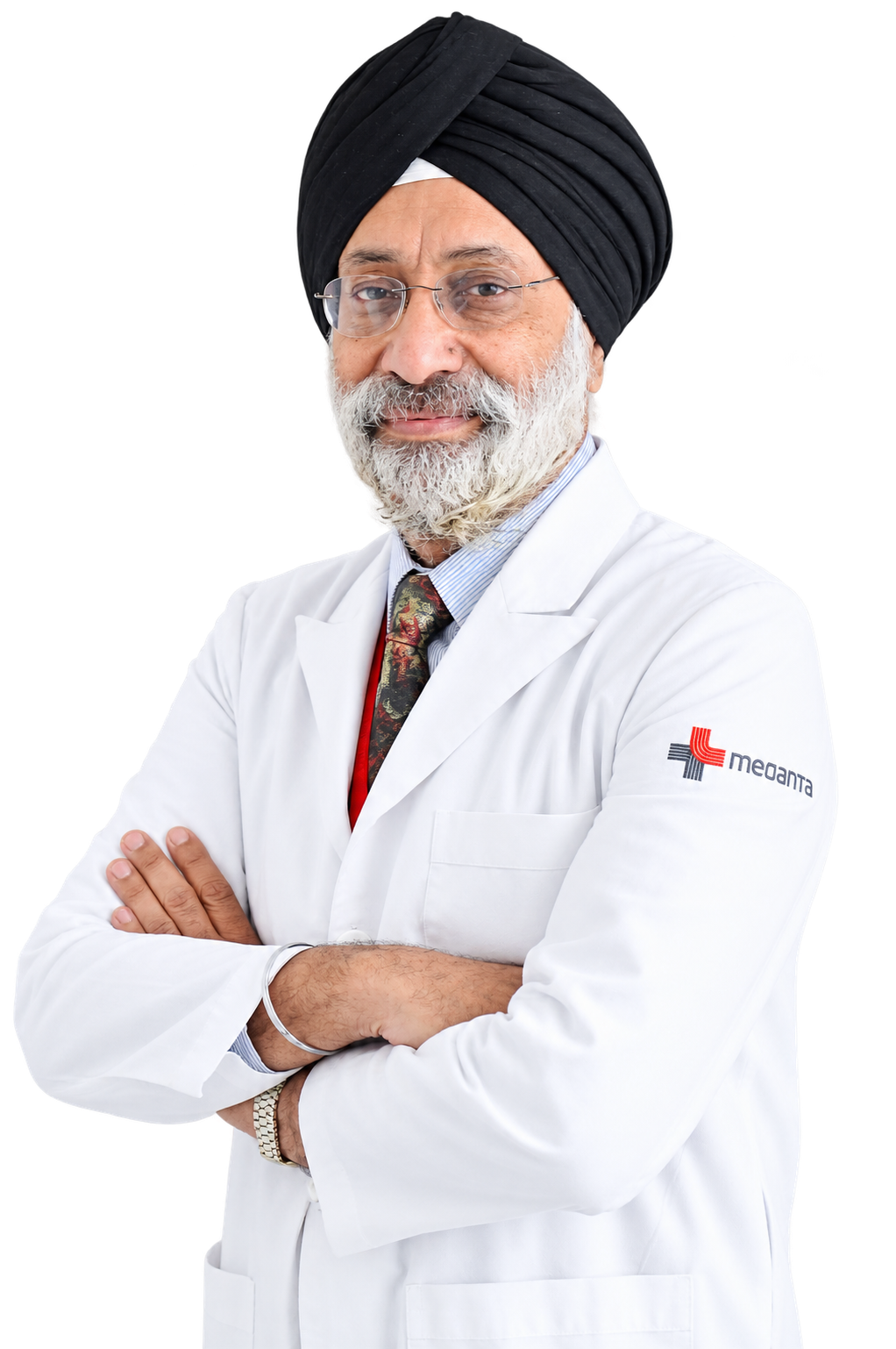
Comprehensive Neuro Science Team
Mastering the Complexity of Neurological Health with Specialized Care


Our Neurology Department embraces the latest advancements in neurotechnology. We are among pioneers in the use of AI-driven diagnostics, personalized treatment plans, and even virtual reality-based neurorehabilitation services, ensuring that our patients receive the most cutting-edge care available.

From proactive measures in prevention and disease management to cutting-edge clinical evaluations, interventional procedures, and advanced surgical interventions, we offer the complete range of services for neurological care. This sets us apart.

Our proficient neurologists stand as sentinels for your brain and nervous system, harnessing cutting-edge diagnostic tools and minimally invasive procedures to safeguard your cognitive well-being.

Our neurology experts are dedicated to crafting personalized treatment plans that cater to the distinct requirements of each patient. From intricate neurological disorders to routine examinations, we prioritize your unique needs.

At Medanta's Neurology Department, we blend advanced technologies with compassion to provide comprehensive care. We understand the delicate nature of neurological concerns and ensure that every patient receives empathetic attention throughout their journey to recovery.
Our Treatments
Fostering Neurological Wellness with Cutting-Edge Expertise
01
Stroke Rehabilitation
Stroke rehabilitation is a comprehensive and personalized program designed to aid individuals in their recovery journey following a stroke. By integrating physical therapy, occupational therapy, speech therapy, and other specialized interventions, stroke rehabilitation aims to restore lost abilities, improve mobility, and enhance overall quality of life for stroke survivors. These tailored programs address the diverse challenges that can arise after a stroke, including motor impairment, communication difficulties, cognitive changes, and emotional adjustments.
02
Brain Tumor Surgery
Stroke rehabilitation is a comprehensive and personalized program designed to aid individuals in their recovery journey following a stroke. By integrating physical therapy, occupational therapy, speech therapy, and other specialized interventions, stroke rehabilitation aims to restore lost abilities, improve mobility, and enhance overall quality of life for stroke survivors. These tailored programs address the diverse challenges that can arise after a stroke, including motor impairment, communication difficulties, cognitive changes, and emotional adjustments.
03
Deep Brain Stimulation (DBS)
Deep Brain Stimulation (DBS) is a highly advanced neurosurgical procedure that involves the insertion of electrodes into specific areas of the brain. These electrodes are then connected to a pulse generator that is implanted under the skin of the chest or abdomen. DBS is a cutting-edge treatment used to manage movement disorders such as Parkinson's disease, essential tremor, and dystonia. It is also used to treat certain neurological conditions like epilepsy and obsessive-compulsive disorder.
04
Interventional neuroradiology
Interventional neuroradiology, which is also known as neurointerventional surgery, refers to a set of minimally invasive procedures that utilize advanced imaging techniques to diagnose and treat conditions that affect the blood vessels of the brain and spinal cord. This specialized field provides innovative solutions for aneurysms, arteriovenous malformations, acute stroke, and other vascular abnormalities. It often offers alternatives to traditional open surgery.
05
Spine Disorders
The spine is a very delicate and important part of the central nervous system of the body. The spine can have numerous issues like lumbar canal stenosis, whiplash, degenerative disc disease, intradural spinal tumour, extradural spinal tumour, spinal injury due to falls or trauma, and infections like TB in the spine.
Ailments
Fostering Neurological Wellness with Cutting-Edge Expertise
Stroke
A stroke happens when blood flow to a part of the brain is disrupted or reduced. This is a very serious and potentially life-threatening medical emergency that requires immediate attention. The sooner someone gets the necessary medical help, the less likely they are to experience extensive damage.
Parkinson’s Disease
Parkinson's disease is a disease of the nervous system that gradually worsens over time and affects mobility. This results in a range of symptoms such as tremors, difficulty moving, stiffness, and loss of balance. Apart from these, people with Parkinson's disease may also experience non-motor symptoms such as changes in thinking ability, mood changes, and sleep problems.
Migraine
Migraine is a type of neurological condition that causes recurring and severe headaches. People who suffer from migraines may experience several symptoms, including nausea, sensitivity to light and sound, and vomiting, which can have a significant impact on their daily life and activities.
Brain Attack
Brain Attack, also known as brain stroke, happens when the blood supply to a part of your brain is interrupted. Due to deficiency of oxygen and nutrients, the brain cells start to die. Brain attack is a crucial condition and an early action can help to reduce brain damage and complications.
Brain Cancer
An occurrence of cancer tumours in the brain cells leads to brain cancer. Primary brain tumours are named after the brain tissue type from where cancer develops. Different names and types of brain cancers reflect the different cells in the brain that can become cancerous. Although benign or non-cancerous, tumours can affect the brain functioning, and the grade of cancer determines the severity. Any abnormal growth of cells in the brain is called a brain tumour. It is important to understand that not all brain tumours are cancerous.
Glioblastoma (GBM)
Glioblastoma, also called glioblastoma multiforme (GBM), is a kind of tumour arising from star-shaped cells (astrocytes) that build up brain supportive tissues. It is a rapidly growing, aggressive type of cancer, which affects parts of the brain and spinal cord. Tumours forming from astrocytes are cancerous as the cells multiply rapidly and are backed by a large network of blood vessels.
Epilepsy or Seizure Disorder
Epilepsy is a medical condition characterized by recurring seizures that occur due to disruptions in the normal electrical activity of the brain. These seizures can be triggered by various factors such as not getting enough sleep, taking incorrect medication doses, experiencing high levels of emotional or physical stress, hormonal changes, or using substances such as alcohol and drugs.
Latest Technology Utilisation
Our neurology department utilises cutting-edge technology like:
- The DaVinci Robotic Surgical System
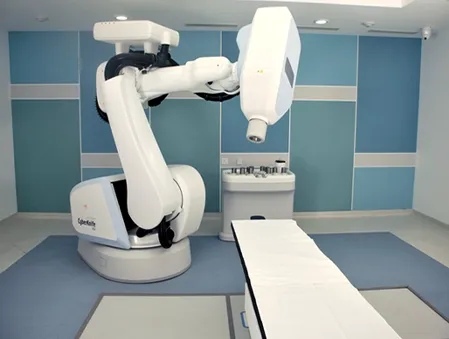
- CyberKnife VSI
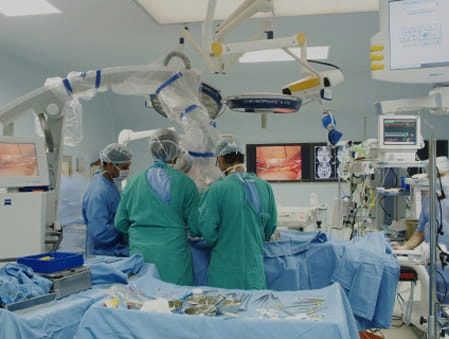
- BrainSUITE with Intra-Operative Imaging OT
- O-Arm (Spine Suite)
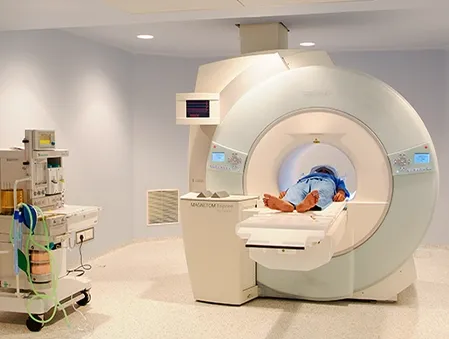
- 3.0 Tesla MRI
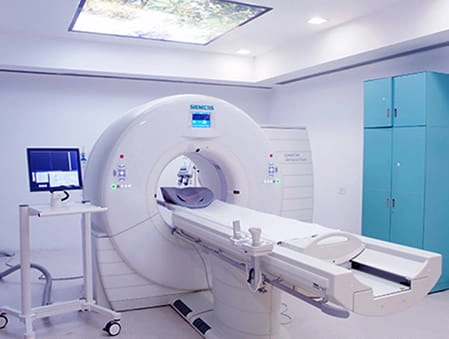
- 256 Slice CT
The DaVinci Robotic Surgical System

This cutting-edge robotic surgical technology is employed to perform a wide range of complex procedures with precision. Its console and miniaturize wristed instruments mimicking human hands enable surgeons to operate through small incisions, reducing the need for significant cuts.