- All Speciality
- Bone Marrow Transplant
- Cancer Care
- Cardiac Care
- Cardiac Surgery
- Chest Surgery
- Clinical & Preventive Cardiology
- Critical Care
- Dentistry
- Dermatology
- Dietetics and Nutrition
- Electrophysiology
- Emergency
- Endocrine and Breast Surgery
- Endocrinology & Diabetes
- Endovascular and Interventional Radiology
- ENT, Head and Neck Surgery
- Gastroenterology
- Gastrosciences
- GI Surgery, GI Oncology and Bariatric Surgery
- Gynaecology and GynaeOncology
- Haemato Oncology
- Head & Neck Cancer Thyroid & Parathyroid Surgery
- Internal Medicine
- Interventional Cardiology
- Kidney Transplant
- Lab & Pathology
- Medical Oncology
- Mental Health
- Nephrology
- Neurology
- Neurosciences
- Neurosurgery
- Nuclear Medicine
- Ophthalmology
- Orthopaedics
- Paediatric Care
- Plastic, Aesthetic and Reconstructive Surgery
- Radiation Oncology
- Radiology & Imaging
- Renal Care
- Respiratory & Sleep Medicine
- Robotics, MIS & General Surgery
- Urology
Neurology Doctors in Noida
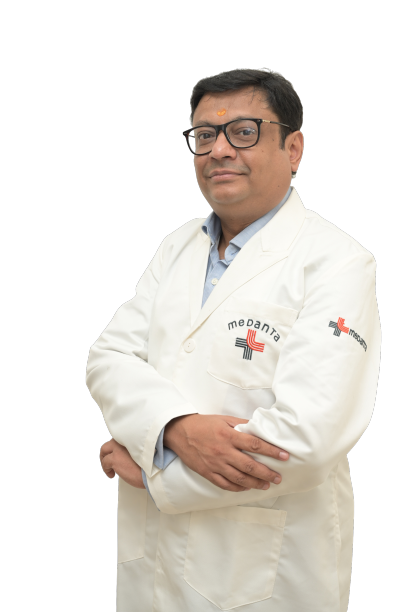
- Stroke : Acute Management to Prevention
- Parkinsons Disease
- Complex Headache Disorders
- Multiple Sclerosis and Other Auto Immune Disorders
- DM Neurology - AIIMS Delhi
- MD Internal Medicine - GSVM Medical College Kanpur
- MBBS - Madurai Medical College.
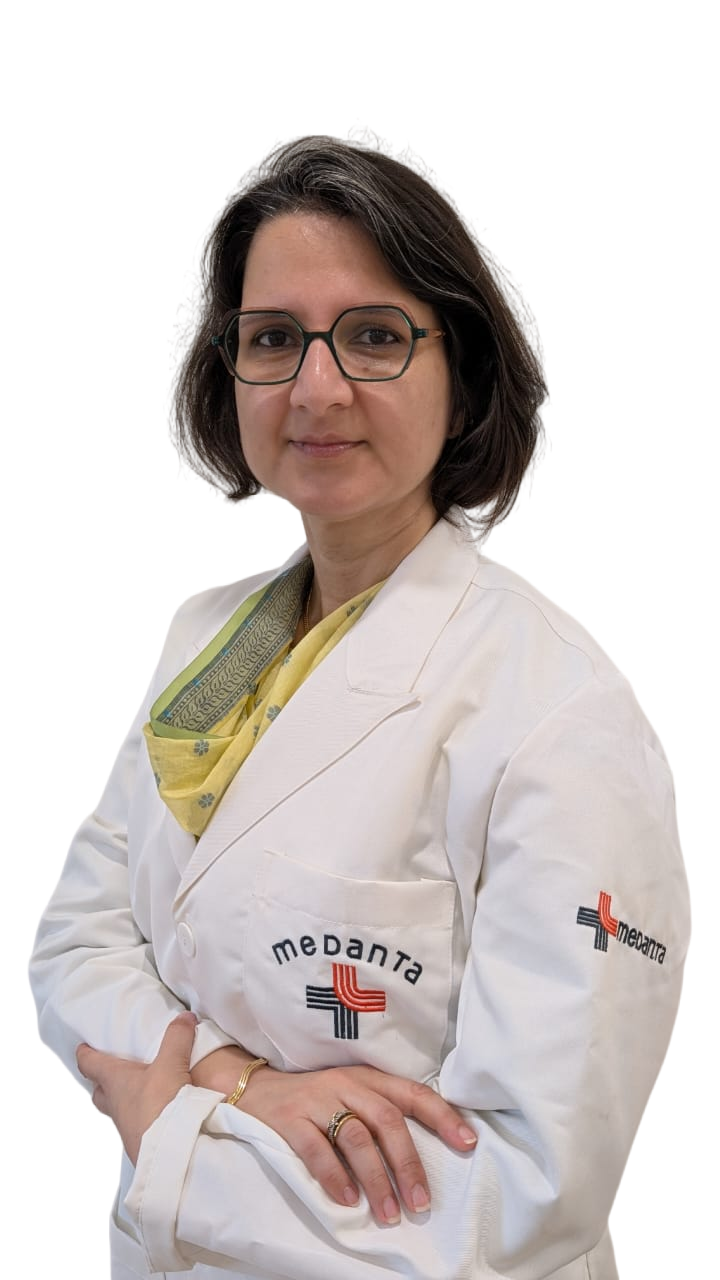
- Epilepsy and seizure disorders
- Stroke and other vascular disorders
- Headaches and vertigo
- Dementias and cognitive behavioural neurology
- Neuroinfections
- Demyelinating disorder and neuroimmunology
- DNB (Neurology) - Vidya Sagar Institute of Mental Health and Neurosciences (VIMHANS)
- MD (Medicine) - Government Medical College Jammu
- MBBS - Government Medical College Jammu
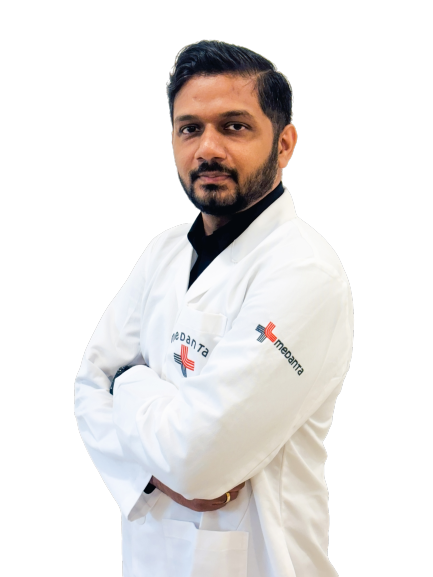
- Stroke management
- Epilepsy management
- Headache and migraine disorders
- Vertigo and balance disorders
- Neuropathy and peripheral nerve conditions
- Neuroimmunology
- DrNB (Neurology)
- MD (Medicine) LLRM Medical College Meerut
- MBBS LLRM Medical College Meerut.
- Stroke
- Paediatric Neurology
- Neuroimmunology
- Neuro-ontology
- DrNB Neurology
- DNB Paediatrics National Board of Examinations
- MBBS JSS University
Neurology sits at one of the more demanding intersections in clinical medicine. The brain and nervous system symptoms can be vague and overlapp...
Neurology sits at one of the more demanding intersections in clinical medicine. The brain and nervous system symptoms can be vague and overlapping, the same presentation can stem from half a dozen different conditions, and the consequences of a missed or delayed diagnosis are often permanent. A first seizure needs a neurologist. A sudden facial droop needs immediate attention. Tremors that are getting worse, memory that is noticeably slipping, headaches that do not match any recognisable pattern all of these are situations where a neurologist's clinical judgement changes the outcome.
At Medanta Noida, the Department of Neurology has four neurologists - two Directors and two Associate Consultants - with training from AIIMS Delhi, VIMHANS, LLRM Medical College, and JSS University. Between them, they cover stroke, epilepsy, movement disorders, headache, dementia, neuroimmunology, peripheral neuropathy, and paediatric neurology. It is a team with enough clinical depth that the department can handle both the emergency presentations that arrive at any hour and the complex chronic conditions that take months of careful management.
For patients in Noida, Greater Noida, Ghaziabad, and the eastern NCR belt, this level of neurological care within the district removes what has historically been a genuine barrier - the need to cross into Delhi for a neurologist of this calibre.
Conditions the Department Manages
Stroke - Acute Management and Prevention
Stroke is a time-critical emergency. Every minute of delay in restoring blood flow to the ischaemic brain costs neurones. The window for IV thrombolysis is narrow (typically four and a half hours from symptom onset for eligible patients) and the decision to give it requires a neurologist who can assess the patient rapidly, review the imaging, rule out contraindications, and act. Dr. Kapil Kumar Singhal has stroke as his primary clinical focus, spanning both acute management and secondary prevention. Dr. Namita Kaul, Dr. Payas Joshi, and Dr. Prerna Dogra also manage stroke within the department.
Epilepsy and Seizure Disorders
A first seizure is frightening and does not always mean epilepsy but it needs proper investigation to find out. Established epilepsy that is not well-controlled on current medication needs a neurologist's review of the seizure type, EEG findings, and drug regimen. Dr. Namita Kaul's primary subspecialty focus is epilepsy, and she brings specific experience in managing seizure disorders across their full range — from simple generalised epilepsy to drug-resistant focal epilepsy where treatment requires more than the standard first-line agents. Dr. Joshi also manages epilepsy as part of his practice.
Parkinson's Disease and Movement Disorders
Parkinson's disease is commonly diagnosed later than it should be, partly because the early signs like a slight tremor, a change in handwriting, and reduced arm swing are easy to attribute to ageing. Once diagnosed, management is a long-term relationship between the neurologist and the patient, with medication adjustments over the years as the disease progresses and the response to levodopa changes. Dr. Singhal lists Parkinson's disease as a specific clinical focus, which means he manages the nuances of dopaminergic therapy, the timing of dose changes, and the non-motor symptoms that are often as disabling as the motor ones.
Headache and Migraine
Migraines are undertreated across India, as many patients manage them with over-the-counter painkillers for years, often overusing them and developing medication-overuse headache on top of the original problem. Complex headache disorders, cluster headaches, new daily persistent headache, and thunderclap headaches that need urgent investigation all require neurological input. Dr. Singhal lists complex headache disorders specifically. Dr. Kaul and Dr. Joshi both manage headache and vertigo as part of their practices.
Dementia, Cognitive Disorders, and Neuroimmunology
Dementia assessment requires more than a brief memory test. It involves cognitive profiling, neuroimaging, and ruling out reversible causes before a degenerative diagnosis is made. Dr. Namita Kaul lists dementias and cognitive behavioural neurology as a specific area, along with neuroimmunology and demyelinating disorders like multiple sclerosis, neuromyelitis optica, and autoimmune encephalitis that sit at the boundary of neurology and immunology. Dr. Singhal also covers multiple sclerosis and autoimmune neurological disorders. Dr. Prerna Dogra and Dr. Joshi both list neuroimmunology as part of their clinical scope.
The Neurology Team
Dr. Kapil Kumar Singhal, Director, holds a DM in Neurology from AIIMS Delhi. His MD in Internal Medicine was completed at GSVM Medical College Kanpur, and his MBBS at Madurai Medical College. His clinical focus spans stroke (from acute management through secondary prevention), Parkinson's disease, complex headache disorders, and multiple sclerosis and other autoimmune neurological conditions.
Dr. Namita Kaul, Director, trained at Government Medical College Jammu for her MBBS and MD, and completed her DNB in Neurology at VIMHANS. She consults at both Medanta Noida and the Medanta Mediclinic in Defence Colony. Her clinical scope covers epilepsy, stroke, headache and vertigo, dementias, neuroinfections, and demyelinating and neuroimmunological conditions.
Dr. Payas Joshi, Associate Consultant, holds a DrNB in Neurology and completed both his MBBS and MD at LLRM Medical College, Meerut. His clinical focus covers stroke, epilepsy, headache and migraine, vertigo and balance disorders, neuropathy and peripheral nerve conditions, and neuroimmunology. The peripheral nerve focus is worth noting - neuropathy workup including differentiating between diabetic, inflammatory, hereditary, and toxic causes, is an area that requires specific neurophysiology knowledge and is not managed equally well by all general neurologists.
Dr. Prerna Dogra, Associate Consultant, holds a DrNB in Neurology alongside a DNB in Paediatrics - an unusual combination that makes her the team's specialist for paediatric neurological presentations. Childhood epilepsy, developmental neurological disorders, paediatric stroke, and neuro-oncological conditions in children all benefit from a neurologist who has formal paediatric training alongside neurology. She also covers neuroimmunology and stroke in adults.
FAQs
My father had a sudden weakness on one side and slurred speech this morning. It has now been resolved. Does he still need to see a neurologist?
Yes. What you are describing sounds like a transient ischaemic attack, or TIA. The fact that symptoms resolved does not mean the risk is over; a TIA is a warning of stroke, and the risk of a major stroke in the days immediately following a TIA is substantial. The workup including imaging, carotid assessment, cardiac monitoring, and blood tests needs to happen quickly, and secondary prevention measures need to be started without delay. Do not wait for a routine appointment. Go to the emergency department at Medanta Noida today.
My child had a seizure for the first time. Who should we see - a neurologist or a paediatrician?
A paediatrician should be your first point of contact for an initial assessment, but a paediatric neurologist is the right specialist for the follow-up workup like EEG, MRI if indicated, and the decision about whether the seizure represents epilepsy and whether medication is needed. Dr. Prerna Dogra holds both a DrNB in Neurology and a DNB in Paediatrics, which means she is specifically equipped for this kind of assessment. Not every neurologist has paediatric training, and children's seizure types, EEG patterns, and medication tolerances are distinct from adult epilepsy.
I have been on migraine medication for years but the headaches are now daily. What is happening?
Daily headaches in someone who has been using acute migraine medication frequently, like triptans, NSAIDs, and combination analgesics, is a familiar picture in neurology. It is very likely a medication-overuse headache, where the analgesic itself, when used more than ten to fifteen days per month, begins to drive daily head pain. The treatment involves withdrawing the overused medication and starting a proper preventive regimen. This is not something to manage alone; the withdrawal phase needs neurological supervision. A consultation with Dr. Singhal or Dr. Kaul is the appropriate next step.
What is the difference between neurology and neurosurgery? Which one do I need?
Neurologists are physicians who diagnose and manage neurological conditions medically, using drugs, infusions, rehabilitation planning, and ongoing monitoring. Neurosurgeons operate on brain tumours, spinal conditions, haemorrhages, hydrocephalus, and certain refractory epilepsy cases. Most neurological conditions are managed without surgery, which means a neurologist is the right starting point for the vast majority of patients. If surgery turns out to be needed, the neurologist will refer or co-manage with the neurosurgical team. If you are not sure which you need, start with neurology and they will tell you if the situation requires a surgical consultation.