- All Speciality
- Bone Marrow Transplant
- Cancer Care
- Cardiac Care
- Cardiac Surgery
- Chest Surgery
- Clinical & Preventive Cardiology
- Critical Care
- Dentistry
- Dermatology
- Dietetics and Nutrition
- Electrophysiology
- Emergency
- Endocrine and Breast Surgery
- Endocrinology & Diabetes
- Endovascular and Interventional Radiology
- ENT, Head and Neck Surgery
- Gastroenterology
- Gastrosciences
- GI Surgery, GI Oncology and Bariatric Surgery
- Gynaecology and GynaeOncology
- Haemato Oncology
- Head & Neck Cancer Thyroid & Parathyroid Surgery
- Internal Medicine
- Interventional Cardiology
- Kidney Transplant
- Lab & Pathology
- Medical Oncology
- Mental Health
- Nephrology
- Neurology
- Neurosciences
- Neurosurgery
- Nuclear Medicine
- Ophthalmology
- Orthopaedics
- Paediatric Care
- Plastic, Aesthetic and Reconstructive Surgery
- Radiation Oncology
- Radiology & Imaging
- Renal Care
- Respiratory & Sleep Medicine
- Robotics, MIS & General Surgery
- Urology
Mental Health Doctors in Noida
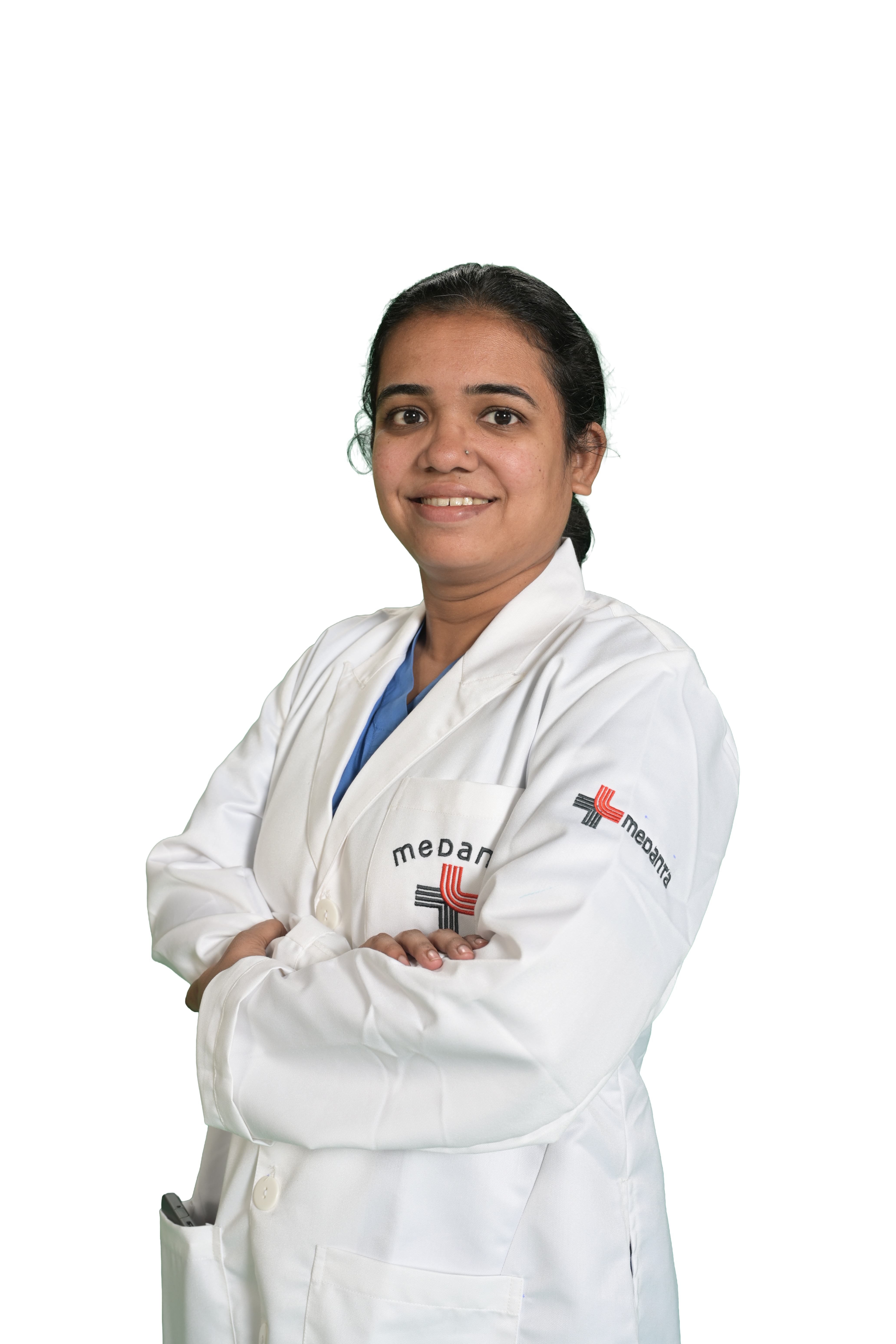
- Adult Psychiatry
- Child and Adolescent Psychiatry
- Perinatal Psychiatry
- De addiction
- MD Psychiatry - BJMC & SGH Pune
- DNB Psychiatry NBE
- MBBS TNMC & BYL Nair Charitable Hospital Mumbai.
People do not usually see a psychiatrist the first time they should. There is often a long period before that, months of managing something alo...
People do not usually see a psychiatrist the first time they should. There is often a long period before that, months of managing something alone, or attributing it to stress, or waiting to see if it improves. Sometimes it does. Frequently, it does not, and by the time someone sits in front of a psychiatrist, the problem has been running considerably longer than it needed to.
Psychiatry in a hospital setting is different from a private clinic or a counselling centre. It sits alongside neurology, internal medicine, oncology, and other specialities, which matters when a mental health condition is connected to a physical illness, when medication interactions need careful oversight, or when the presentation is complex enough to require input from more than one discipline. Medanta Noida's Department of Mental Health works within that broader clinical environment.
The department is led by Dr. Durva Dharmesh Shah, who trained at two of India's well-regarded institutions for psychiatry and brings a clinical scope that covers adult psychiatry, child and adolescent psychiatric conditions, perinatal mental health, and de-addiction. For patients in Noida and the eastern NCR, this is accessible, senior-level psychiatric care without the need to travel into central Delhi.
What the Department Treats
Adult Psychiatry
Depression, anxiety disorders, OCD, bipolar disorder, schizophrenia and related psychotic conditions, personality disorders, and sleep disturbances with a psychiatric component, these make up the bulk of adult psychiatric work. Some patients arrive after a first episode. Others have been managing a condition for years and need a proper review of diagnosis or treatment. The approach here is clinical: accurate assessment, evidence-based treatment, and follow-up that adjusts as the clinical picture changes.
Child and Adolescent Psychiatry
Children and teenagers present differently from adults, and the diagnostic and therapeutic framework has to shift accordingly. ADHD, autism spectrum conditions, anxiety and school refusal, childhood depression, behavioural difficulties, and early-onset mood disorders are all within scope. Parents often come in unsure whether what they are observing is a developmental phase or something that warrants clinical attention. That distinction when to watch and when to act is part of what a child psychiatrist is trained to make.
Perinatal Psychiatry
Perinatal psychiatry covers mental health during pregnancy and in the postpartum period (roughly the first year after delivery). Postnatal depression is the most widely known condition in this category, but it is far from the only one. Prenatal anxiety, postpartum psychosis, OCD triggered or worsened by pregnancy, and mood episodes in women with a prior history of bipolar disorder all fall within this window. Medication decisions in pregnancy and breastfeeding require careful risk-benefit assessment. This is a subspecialty area that most general psychiatrists manage only occasionally; Dr. Shah lists it as a specific clinical focus.
De-addiction
Substance use disorders like alcohol dependence, opioid dependence, cannabis use disorder, and dependence on prescription medications are psychiatric conditions, not failures of willpower. Treatment involves detoxification (where needed), medication assisted management and longer-term support to reduce relapse. De-addiction is listed explicitly as part of Dr. Shah's clinical scope.
Dr. Durva Dharmesh Shah - Associate Consultant, Mental Health
Dr. Shah completed her MBBS at TNMC and BYL Nair Charitable Hospital Mumbai and her MD in Psychiatry at BJMC and Sassoon General Hospital, Pune. She also holds a DNB in Psychiatry from the National Board of Examinations. The DNB is a nationally standardised postgraduate qualification that requires structured training and examination independent of university affiliation; holding both an MD and a DNB reflects a level of formal psychiatric training that goes beyond the minimum.
Her clinical interests span four areas that do not always sit together in a single psychiatrist's practice: adult psychiatry, child and adolescent psychiatry, perinatal psychiatry, and de-addiction. Child psychiatry and perinatal psychiatry in particular are subspecialty areas with distinct clinical frameworks and having both alongside adult practice reflects broader training rather than a narrow clinical focus.
FAQs
What is the difference between a psychiatrist and a psychologist?
A psychiatrist is a medical doctor (MBBS followed by a postgraduate degree in psychiatry) which means they can diagnose mental health conditions, prescribe medication, and manage medically complex cases. A psychologist typically holds a degree in psychology and provides therapy and psychological assessment. For conditions that require medication like depression that has not responded to lifestyle changes, bipolar disorder, schizophrenia, severe OCD, or dependence disorders a psychiatrist is the appropriate clinician. For structured psychotherapy alongside psychiatric treatment, a psychologist may work in parallel.
My child has been struggling in school and showing signs of anxiety. Should I bring them to a psychiatrist?
It depends on what you are observing and how long it has been going on. School difficulties alone can have many explanations like learning differences, vision or hearing issues, social situations, or family stressors. When anxiety is the presenting feature including avoidance of school, physical complaints on school days, difficulty separating, or excessive worry that the child cannot talk themselves out of and when it has been persistent for several weeks or more, a psychiatric assessment is worth having. Dr. Shah sees children and adolescents and can help determine whether what is happening is within the normal developmental range or needs clinical attention.
I am pregnant and have a history of depression. Is it safe to continue antidepressants?
This is a clinical decision that has to be made individually; there is no blanket answer that applies to every woman or every medication. Some antidepressants have a reasonably well-established safety profile in pregnancy. Others carry more uncertainty. The risk of continuing medication has to be weighed against the risk of untreated depression during pregnancy, which carries its own consequences for both mother and baby. Dr. Shah's specific focus on perinatal psychiatry means this is a decision she is trained to navigate, with an understanding of both the psychiatric risks of stopping medication and the pharmacological considerations around what is and is not appropriate during pregnancy and breastfeeding.
Is de-addiction treatment available at Medanta Noida?
Yes. De-addiction is part of Dr. Shah's clinical scope. If you or your loved ones have alcohol or substance dependence the treatment depends on the severity of the dependence and what kind of support is needed. Mild to moderate cases may be managed on an outpatient basis with medication and structured follow up. Cases where withdrawal carries medical risk (severe alcohol dependence, opioid dependence with medical complications) may require inpatient detoxification which the hospital setting at Medanta Noida can support. A consultation is the right starting point; the appropriate level of care will be discussed based on the clinical picture.