- All Speciality
- Bone Marrow Transplant
- Cancer Care
- Cardiac Care
- Cardiac Surgery
- Chest Surgery
- Clinical & Preventive Cardiology
- Critical Care
- Dentistry
- Dermatology
- Dietetics and Nutrition
- Electrophysiology
- Emergency
- Endocrine and Breast Surgery
- Endocrinology & Diabetes
- Endovascular and Interventional Radiology
- ENT, Head and Neck Surgery
- Gastroenterology
- Gastrosciences
- GI Surgery, GI Oncology and Bariatric Surgery
- Gynaecology and GynaeOncology
- Haemato Oncology
- Head & Neck Cancer Thyroid & Parathyroid Surgery
- Internal Medicine
- Interventional Cardiology
- Kidney Transplant
- Lab & Pathology
- Medical Oncology
- Mental Health
- Nephrology
- Neurology
- Neurosciences
- Neurosurgery
- Nuclear Medicine
- Ophthalmology
- Orthopaedics
- Paediatric Care
- Plastic, Aesthetic and Reconstructive Surgery
- Radiation Oncology
- Radiology & Imaging
- Renal Care
- Respiratory & Sleep Medicine
- Robotics, MIS & General Surgery
- Urology
Haemato Oncology Doctors in Noida
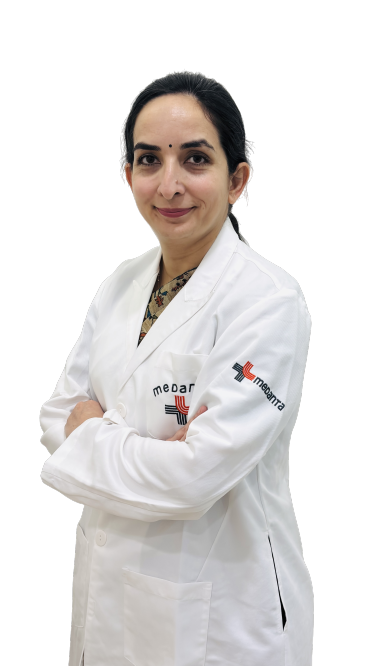
- Bone Marrow Transplant (including haploidentical and unrelated donor transplants)
- CAR-T Cell Therapy
- Acute Leukaemia
- Lymphoma and Myeloma
- Diplomate Haematology American Board of Internal Medicine
- Diplomate Internal Medicine American Board of Internal Medicine
- MBBS (AIIMS) New Delhi.
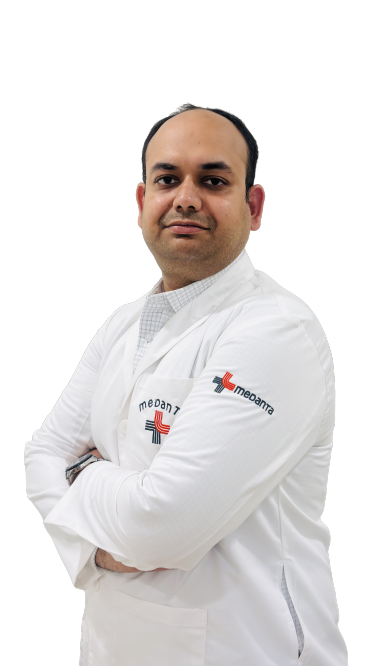
- Leukaemia and Lymphoma
- Bone Marrow Transplantation
- Plasma Cell Disorders
- Myelodysplastic and Myeloproliferative Syndromes
- Coagulation, Bleeding and Thrombotic Disorders
- Anaemia and Haemoglobinopathies
- Cellular therapy- CAR T cell therapy’
- DrNB Clinical Haematology
- MD - Army Hospital Research and Referral New Delhi
- MBBS Era’s Lucknow Medical College.
A blood cancer diagnosis lands differently from most. There is no tumour the surgeon can point to on a scan. The disease is in the blood, the bone marrow, and the lymph nodes -...
A blood cancer diagnosis lands differently from most. There is no tumour the surgeon can point to on a scan. The disease is in the blood, the bone marrow, and the lymph nodes - systems that run through the entire body. Treatment protocols are complex, often lengthy, and the margin between an adequate response and a deep remission can depend heavily on the precision of the treatment given and the expertise of the team managing it.
The department covers not just standard chemotherapy protocols for leukaemia and lymphoma, but also bone marrow transplantation including haploidentical and unrelated donor transplants and CAR-T cell therapy, one of the most significant advances in blood cancer treatment of the past decade.
Conditions Managed by the Department
Acute Leukaemia
Acute myeloid leukaemia and acute lymphoblastic leukaemia are haematological emergencies. Diagnosis to treatment initiation is measured in days, not weeks. Induction chemotherapy, response assessment, consolidation, and the decision about whether bone marrow transplant is indicated are sequenced decisions that require a haematologist who knows the current risk stratification frameworks and has experience with the complications that arise at each stage.
Lymphoma and Myeloma
Lymphomas (Hodgkin and non-Hodgkin) vary considerably in their biology, treatment approach, and prognosis. Diffuse large B-cell lymphoma needs aggressive first-line therapy; follicular lymphoma may be watched before treatment is initiated. Multiple myeloma, a plasma cell disorder, is now managed with combinations of proteasome inhibitors, immunomodulatory drugs, and, in eligible patients, autologous stem cell transplant.
Myelodysplastic and Myeloproliferative Syndromes
MDS and MPN including myeloproliferative neoplasms including polycythaemia vera, essential thrombocythaemia, and myelofibrosis are bone marrow disorders that occupy a clinical space between benign and malignant. Some patients require only monitoring; others progress and need active treatment or a transplant. Risk stratification in MDS, in particular, determines who can be observed and who needs early intervention.
Coagulation, Bleeding and Thrombotic Disorders
Haemophilia, von Willebrand disease, immune thrombocytopenia, antiphospholipid syndrome, and inerited thrombophilias require a haematologist rather than a general physician for accurate diagnosis and management. Bleeding and clotting problems are often found on routine investigation or after an unexplained event, and the workup requires knowledge of coagulation pathways and the clinical significance of specific test results.
Anaemia and Haemoglobinopathies
Thalassaemia, sickle cell disease, and other haemoglobinopathies have particular prevalence in specific Indian populations, and their management ranging from chronic transfusion programmes to chelation therapy to, in selected patients, and bone marrow transplant requires specialist haematological input. Anaemia more broadly, when the cause is not straightforward iron or B12 deficiency, often needs a haematologist to identify whether the bone marrow is producing cells normally and whether the underlying process is benign or malignant.
Bone Marrow Transplant and CAR-T Cell Therapy
Bone marrow transplantation remains one of the more intensive treatments in medicine. Autologous transplant uses the patient's own stem cells, collected and reinfused after high-dose chemotherapy, used in myeloma and some lymphomas. Allogeneic transplant uses donor cells, either from a matched sibling, an unrelated donor, or a haploidentical donor and is used in leukaemias, MDS, and other bone marrow failure conditions.
CAR-T cell therapy (chimeric antigen receptor T-cell therapy) is a form of cellular immunotherapy where a patient's own T-cells are extracted, genetically engineered to recognise cancer cells, and reinfused. It has produced remarkable responses in relapsed or refractory B-cell lymphomas and ALL, including in patients who have failed multiple previous treatments.
The Haemato-Oncology Team
Dr. Esha Kaul is the Director of the department. Her MBBS is from AIIMS New Delhi, and she went on to complete her training in the United States, earning Diplomate status from the American Board of Internal Medicine in both Internal Medicine and Haematology. Her clinical focus is bone marrow transplantation, CAR-T cell therapy, acute leukaemia, lymphoma, and myeloma. The combination of AIIMS foundation and American haematology board qualification is unusual and reflects a training exposure that spans two very different health systems and patient populations.
Dr. Chetan Agarwal, Consultant, holds an MD from Army Hospital Research and Referral, New Delhi and a DrNB in Clinical Haematology from the National Board of Examinations. His clinical scope is broad: leukaemia, lymphoma, bone marrow transplantation, plasma cell disorders, MDS and MPN, coagulation disorders, bleeding and thrombotic conditions, anaemia and haemoglobinopathies, and CAR-T therapy.
FAQs
What is the difference between a haematologist and a haemato-oncologist?
In practice, the two terms are often used interchangeably in India. A haematologist manages blood disorders like both benign conditions like anaemia, clotting disorders, and haemoglobinopathies, and malignant ones like leukaemia, lymphoma, and myeloma. A haemato-oncologist is effectively a haematologist with a primary focus on blood cancers. At Medanta Noida, the department covers both ends of the spectrum.
My family member has been diagnosed with leukaemia. How quickly does treatment need to start?
For acute leukaemia (AML or ALL), treatment needs to start within days of diagnosis in most cases. These are rapidly proliferating diseases, and a delay in initiating induction chemotherapy worsens outcomes. Chronic leukaemias (CML or CLL) are managed differently; CML is typically started on targeted oral therapy relatively quickly, while CLL may be observed for months or years before treatment is initiated, depending on disease stage and symptoms. If a leukaemia diagnosis has been made, do not wait for a routine appointment; contact the department at Medanta Noida urgently and bring all the blood work and bone marrow biopsy results that have been done so far.
What is CAR-T cell therapy and who is it suitable for?
CAR-T therapy involves taking a patient's own T-lymphocytes, sending them to a specialised facility where they are genetically modified to express a receptor that targets a specific protein on cancer cells and then reinfusing them. In eligible patients with relapsed or refractory diffuse large B-cell lymphoma, mantle cell lymphoma, or ALL, it has produced remissions in cases where multiple prior treatment lines have failed. Suitability depends on the specific diagnosis, prior treatment history, performance status, and organ function.
Is a bone marrow transplant possible if there is no matched sibling donor?
Yes. The absence of a matched sibling is no longer an insurmountable obstacle for allogeneic transplant. Two alternatives exist. First, an unrelated donor search through national and international bone marrow registries. Second, a haploidentical transplant using a half-matched family member -including a parent, child, or sibling who shares one HLA haplotype. Outcomes with haploidentical transplant have improved substantially with modern post-transplant cyclophosphamide-based protocols and are now considered acceptable in many centres.