- All Speciality
- Bone Marrow Transplant
- Cancer Care
- Cardiac Care
- Cardiac Surgery
- Chest Surgery
- Clinical & Preventive Cardiology
- Critical Care
- Dentistry
- Dermatology
- Dietetics and Nutrition
- Electrophysiology
- Emergency
- Endocrine and Breast Surgery
- Endocrinology & Diabetes
- Endovascular and Interventional Radiology
- ENT, Head and Neck Surgery
- Gastroenterology
- Gastrosciences
- GI Surgery, GI Oncology and Bariatric Surgery
- Gynaecology and GynaeOncology
- Haemato Oncology
- Head & Neck Cancer Thyroid & Parathyroid Surgery
- Internal Medicine
- Interventional Cardiology
- Kidney Transplant
- Lab & Pathology
- Medical Oncology
- Mental Health
- Nephrology
- Neurology
- Neurosciences
- Neurosurgery
- Nuclear Medicine
- Ophthalmology
- Orthopaedics
- Paediatric Care
- Plastic, Aesthetic and Reconstructive Surgery
- Radiation Oncology
- Radiology & Imaging
- Renal Care
- Respiratory & Sleep Medicine
- Robotics, MIS & General Surgery
- Urology
Clinical & Preventive Cardiology Doctors in Noida
- Invasive (Angiography/Angioplasty) & Non-Invasive Cardiology
- Critical Cardiac Care
- Ischemic & Valvular Heart Disease
- Heart Failure
- D.M. (Cardiology) - G.B. Pant Hospital New Delhi ( Delhi University)
- Fellow of the Cardiological Society of India
- Fellow of The Society for Cardiovascular Angiography and Interventions (FSCAI)
- Fellow of the Endovascular Intervention Society of India
- M.D. ( Medicine) - L.L.R.M. Medical College Meerut
- M.B.B.S. - L.L.R.M. Medical College Meerut.
- Advanced Echocardiography (3D and Transoesophageal)
- Structural Heart Disease Imaging and Interventional Guidance
- Stress Echocardiography (Dobutamine and Exercise)
- Strain Rate Imaging
- Echocardiography in Surgical and Interventional Cardiology
- DM (Cardiology)
- Institute of Medical Sciences
- Banaras Hindu University
- Varanasi
- MD (Medicine)
- Institute of Medical Sciences
- Banaras Hindu University
- Varanasi
- MBBS
- Institute of Medical Sciences
- Banaras Hindu University
- Varanasi.
- Non-Invasive Cardiology (18+ years of expertise)
- Echocardiography (TTE, TEE, DSE)
- Holter and ELR monitoring
- Ambulatory blood pressure monitoring
- Fellowship in Non-Invasive Cardiology Medanta Gurugram
- PGDCC (Clinical Cardiology) Escorts Institute of Cardiology New Delhi
- MBBS Government Medical College Nagpur.

- Acute Coronary Syndromes including STEMI and NSTEMI
- Heart Failure and Cardiomyopathies
- Arrhythmias and Valvular Heart Disease
- Preventive Cardiology and Cardiac Risk Assessment
- Two-Dimensional and Doppler Echocardiography
- Long-term Management of Coronary Artery Disease
- Certificate Course in Diabetes in Special Situations and Co-morbidities -Royal College of Physicians
- Certificate Course in Evidence Based Diabetes Mellitus -Public Health Foundation of India
- Postgraduate Diploma in Clinical Cardiology
- MD (Physician) - Crimea State Medical University - Simferopol Ukraine.
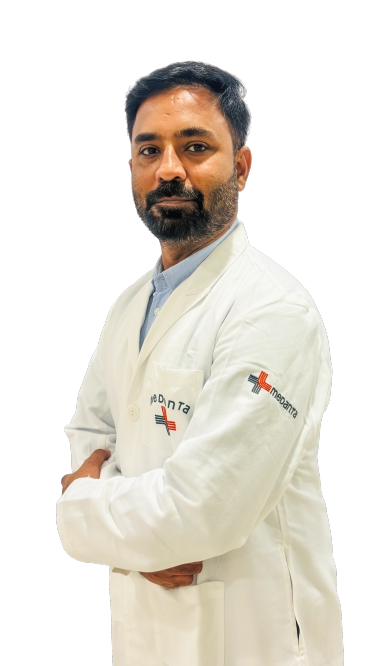
- Clinical and Preventive Cardiology
- Non-Invasive Cardiology
- Cardiac Critical Care
- Lifestyle Medicine and Risk Management
- Membership of the Royal College of General Practitioners (MRCGP) UK Diploma in Mental Health NIMHANS Bangalore
- Postgraduate Diploma in Clinical Cardiology (PGDCC) Kerala Institute of Medical Sciences - Trivandrum
- MBBS Jawaharlal Nehru Medical College Belgaum.
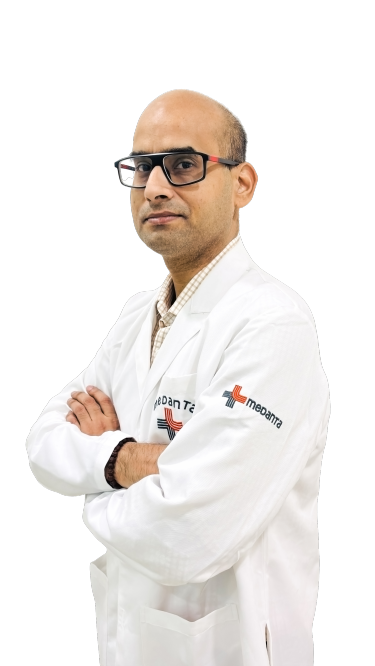
- Noninvasive Cardiology
- Preventive Cardiology
- Clinical Cardiology
- Cardiac Risk Assessment and Management
- Emergency Cardiac Care
- Fellowship in Noninvasive Cardiology (FNIC)
- Postgraduate Diploma in Clinical Cardio Physician(Noninvasive )
- MBBS NMC Patna.
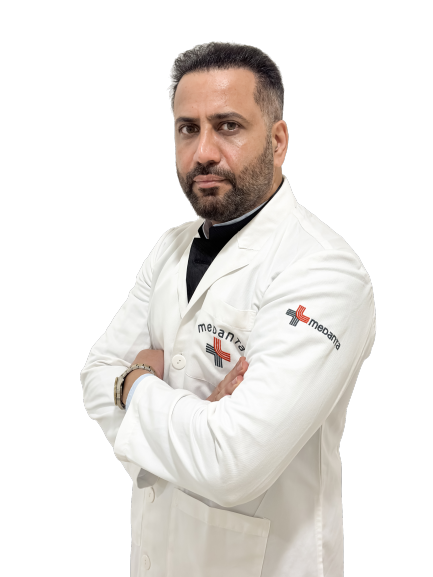
- ICCU Management
- 2D Echocardiography
- Exercise Stress Testing
- Dobutamine Stress Echocardiography
- PGDCCP (Clinical and Non-Invasive Cardiology)
- MD Physician - Yerevan State Medical University Armenia.
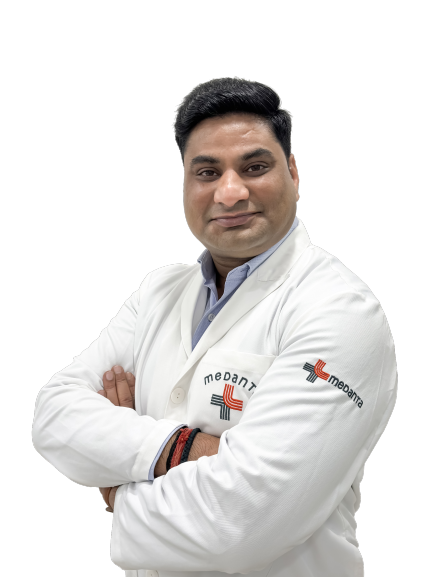
- Acute Coronary Syndromes including STEMI, NSTEMI and Unstable Angina
- Heart Failure, Severe LV Dysfunction and Cardiogenic Shock
- Arrhythmias and Rhythm Disorders
- Non-invasive Cardiac Diagnostics including 2D Echocardiography and Stress Testing
- - PGDCC
- SPS Apollo Hospital
- Ludhiana
- Punjab
- - MD Internal Medicine
- Yerevan State Medical University
- Armenia.
Most people see a cardiologist after something has gone wrong - a heart attack, an abnormal ECG, or chest pain that would not resolve. But cardiovascular disease builds silently...
Most people see a cardiologist after something has gone wrong - a heart attack, an abnormal ECG, or chest pain that would not resolve. But cardiovascular disease builds silently, over years, through a combination of factors that are often partially or fully addressable if identified early enough. High blood pressure that is not optimally controlled, cholesterol levels that are borderline but trending upward, a family history of early heart disease, diabetes that is affecting the vessels - none of these announces themselves with dramatic symptoms. They accumulate.
Clinical and preventive cardiology is at the intersection of cardiac diagnostics and long-term risk management. It is the part of cardiac care that does not always end in a procedure - and that is precisely the point. The aim is to keep the disease from progressing to the point where a stent or bypass becomes the only option.
Medanta Noida's Department of Clinical and Preventive Cardiology has cardiologists covering the full range of non-invasive cardiac diagnostics, clinical cardiac management, preventive assessment, and critical cardiac care.
What the Department Covers
Non-Invasive Cardiac Diagnostics
The department's diagnostic capability is extensive. Two-dimensional and Doppler echocardiography - imaging of the heart's structure, valves, and function - is performed by our team members, who have specialised training in advanced echocardiography including 3D echo, transoesophageal echocardiography (TEE), stress echocardiography using both dobutamine and exercise protocols, and strain rate imaging. TEE is particularly valuable when transthoracic windows are suboptimal and for procedural guidance in structural interventions. Stress echocardiography allows assessment of cardiac function under pharmacological or exercise-induced demand, identifying ischaemia that is not apparent at rest.
Preventive Cardiology and Risk Assessment
Preventive cardiology involves systematic assessment of a patient's cardiovascular risk profile like identifying which risk factors are present, quantifying their contribution, and creating a management plan that addresses them before they translate into a cardiac event. This includes lipid management beyond simply checking cholesterol levels, blood pressure optimisation, glycaemic control in patients with diabetes, smoking cessation support, and weight and lifestyle modification.
Clinical Cardiology - Ischaemic and Valvular Disease
Coronary artery disease management including optimising medical therapy, interpreting stress tests and imaging, deciding when to refer for angiography, and managing stable angina over the long term, is a core part of the department's clinical work. Valvular heart disease, where the question is often how closely to monitor and when surgical or interventional correction becomes necessary, also falls within the scope.
Heart Failure and Cardiomyopathies
Heart failure with both reduced and preserved ejection fraction, dilated and hypertrophic cardiomyopathies, and acute cardiac decompensation requiring critical care management are all within the department's scope.
The Clinical Cardiology Team
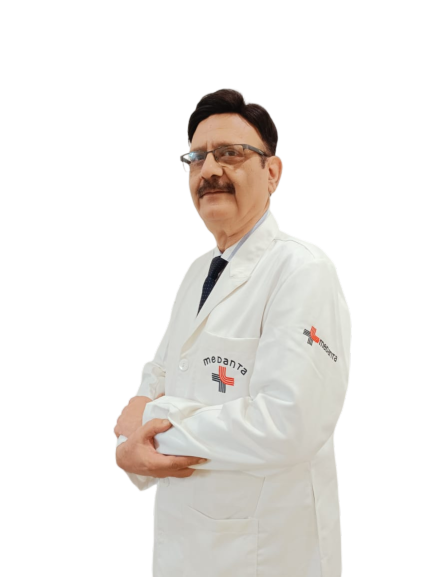
Dr. Rajiv Mehrotra, Director, holds a DM in Cardiology from GB Pant Hospital, Delhi University, and is a Fellow of the Cardiological Society of India and the Society for Cardiovascular Angiography and Interventions (FSCAI). His MBBS and MD are both from LLRM Medical College Meerut. He manages invasive and non-invasive cardiology, critical cardiac care, ischaemic and valvular heart disease, and heart failure.
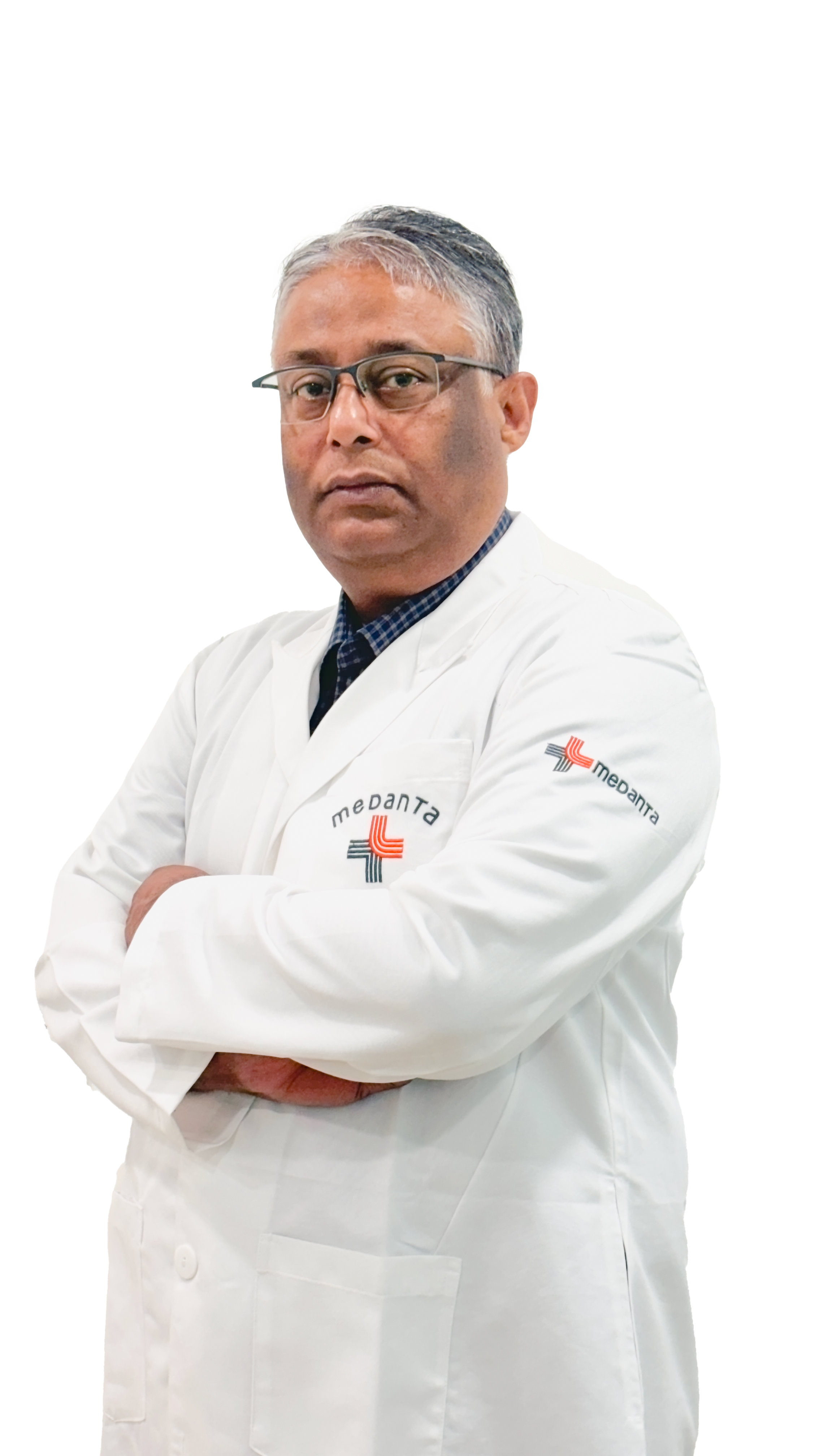
Dr. Vinay Kumar Sharma, Director, completed his MBBS, MD, and DM in Cardiology at the Institute of Medical Sciences, Banaras Hindu University, Varanasi. His practice is focused on advanced echocardiography like 3D echo, TEE, stress echocardiography, strain rate imaging and the use of echocardiographic guidance in structural heart interventions and cardiac surgery.
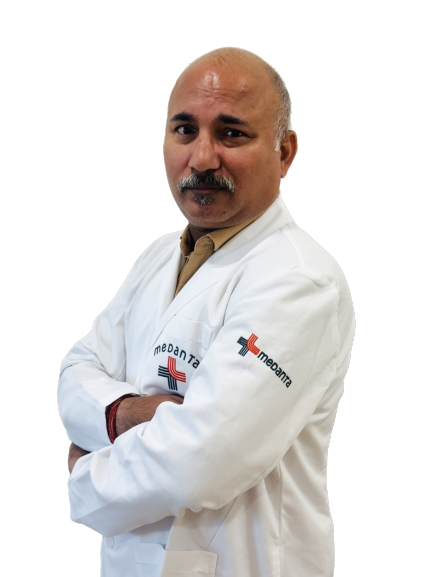
Dr. Bhupender Singh, Senior Consultant, has over eighteen years of non-invasive cardiology experience. He holds a Fellowship in Non-Invasive Cardiology from Medanta Gurugram and a PGDCC from Escorts Institute of Cardiology, New Delhi. His MBBS is from the Government Medical College Nagpur.
Dr. Meetu Arora Gautam, Senior Consultant, holds a Postgraduate Diploma in Clinical Cardiology alongside an MD in Medicine and additional RCP and PHFI certificates in diabetes management. Her scope covers acute coronary syndromes, heart failure, arrhythmias, valvular disease, preventive cardiology, and echocardiography.
Dr. Arvind Tiwari, Consultant, is unusual in holding both an MRCGP from the Royal College of General Practitioners UK and a PGDCC from KIMS Trivandrum, alongside a Diploma in Mental Health from NIMHANS Bangalore - a combination that reflects a particularly patient-centred approach to lifestyle and risk management.
Dr. Kumar Anshuman, Consultant, holds an FNIC Fellowship in Non-Invasive Cardiology and a PGDCC, with an MBBS from NMC Patna.
Dr. Gaurav Gulati and Dr. Omvir Singh serve as Associate Consultants covering ICCU management, echocardiography, stress testing, acute coronary syndromes, heart failure, and rhythm disorders.
FAQs
My ECG was normal but I still have chest discomfort. Should I see a cardiologist?
A normal resting ECG does not rule out coronary artery disease. Many patients with significant coronary narrowing have entirely normal resting ECGs. If you have risk factors like hypertension, diabetes, smoking history, a family history of early heart disease, and high cholesterol and are experiencing chest discomfort, breathlessness on exertion, or atypical symptoms, a clinical cardiology assessment is appropriate. A stress ECG or stress echocardiogram can unmask ischaemia that the resting ECG does not show.
What is the difference between a 2D echo and a stress echo?
A standard 2D echocardiogram images the heart at rest. It assesses the structure of the chambers and valves, the ejection fraction, and resting wall motion. A stress echocardiogram adds a physiological or pharmacological challenge (either treadmill exercise or dobutamine infusion) and images the heart during and after the challenge. Regions of the heart that are supplied by a narrowed coronary artery will show reduced contractility under stress, even if they look normal at rest. This makes stress echo significantly more sensitive for detecting significant coronary disease than a resting echo alone.
I have a strong family history of heart disease. What should I be doing?
A first-degree relative with heart disease before the age of 55 in men or 65 in women is a significant independent risk factor. A preventive cardiology consultation at Medanta Noida will cover a full risk factor assessment including fasting lipid profile, blood pressure, blood sugar, body weight, smoking status and calculate your current cardiovascular risk using established risk models. Depending on what is found, you may need imaging to assess for subclinical atherosclerosis, medication to manage specific risk factors, and a structured plan for follow-up. Knowing your risk is the only way to manage it.
Is a Holter monitor different from a regular ECG?
Yes a standard ECG captures ten seconds of electrical activity. A Holter monitor records continuously for twenty-four to seventy-two hours, or in some cases longer, while the patient goes about their normal daily life. It is specifically used to detect intermittent arrhythmias including palpitations, dizziness, or blackouts that do not occur during the brief window of a standard ECG. It also detects silent ischaemia - ST changes during activity that the patient may not consciously notice. Ambulatory blood pressure monitoring similarly records blood pressure at regular intervals over twenty-four hours, giving a more complete picture of blood pressure control than a single clinic reading.