1068
Facebook Twitter instagram Youtube

Cardiac Care

cardiology
Among India's largest and one of the world’s most successful Heart Care teams led by pioneers
End-to-end comprehensive, holistic care of all heart conditions for adults and children
Multidisciplinary team of doctors backed by nursing staff specially trained in cardiac care
Pioneers in use of next-generation therapies for patients in advanced stages of heart failure
Availability of round-the-clock specialised Emergency services
Paediatric capabilities for open heart procedures, and complete range of cyanotic heart surgeries
About Us

Medanta Institute of Cardiac Sciences & Heart Transplantation brings together a multidisciplinary team of cardiac surgeons and heart failure specialists to offer patients with end-stage heart disease a second chance at life. The program integrates advanced diagnostics, high risk cardiac surgery, mec.......

Read More

Medanta Institute of Cardiac Sciences & Heart Transplantation brings together a multidisciplinary team of cardiac surgeons and heart failure specialists to offer patients with end-stage heart disease a second chance at life. The program integrates advanced diagnostics, high risk cardiac surgery, mechanical circulatory support, and structured long term rehabilitation under one roof. With protocol-driven evaluation and evidence based transplant practices the institute is equipped to manage severe heart failure cases requiring timely transplantation and intensive postoperative care.

Read Less

Heart transplantation represents the highest level of cardiac surgical care. They require smooth coordination between transplant surgeon, heart failure cardiologists, cardiac anaesthesia & critical care intensivists and rehabilitation specialists, transplant coordinators. At Medanta, our focus extends beyond performing the surgery. We emphasise early identification of advanced heart failure, optimisation before transplant, and long-term monitoring to ensure sustained graft function and improved quality of life. Advances in immunosuppression, organ preservation ,mechanical circulatory support and critical care have significantly improved outcomes. All of this enables patients to return to active and productive lives. Every transplant is a collective commitment from donor coordination to lifelong follow-up.

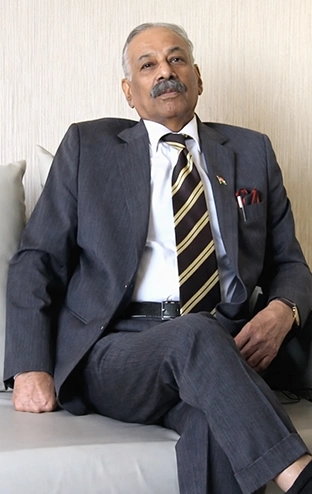
Dr. Naresh Trehan
Dr. Naresh Trehan
Chairman & Managing Director, Medanta
Heart Team
The multidisciplinary team comprising transplant surgeons , heart failure cardiologists, cardiac anesthesiologists, intensivists, transplant coordinators and rehabilitation experts ensures comprehensive care for optimal outcomes. As the heart pumps blood
cardiac transplant surgery

Precision-driven cardiac transplant surgery performed in advanced modular operation theatres with state-of-the-art monitoring systems.

Mechanical circulatory support

Mechanical circulatory support including LVAD and ECMO stabilises critically ill patients awaiting heart transplantation.

cardiac transplant ICUs

Dedicated cardiac transplant ICUs provide continuous haemodynamic monitoring and infection-controlled recovery environments.

Heart Transplant Team

Heart Transplant Team – Medanta provides personalised pre-transplant assessment, peri-operative excellence, and structured long-term follow-up.

Heart Team : Medanta provides personalised pre-transplant assessment, peri-operative excellence, and structured long-term follow-up.
Treatments
Team approach and compassionate care for holistic heart health
Transcatheter aortic valve implantation (TAVI)

TAVI is a surgical procedure performed to replace a blocked or narrowed aortic valve in people who are at greater risk or too sick for open heart surgery. The TAVR(TAVI) procedure involves the implantation of aortic valve without even eliminating the old, damaged valve with the help of a catheter.

Peripheral Angioplasty

Peripheral angioplasty is a minimally invasive procedure used to widen narrowed or blocked arteries in the peripheral vascular system. A stent is placed to help keep the artery open. This approach aims to alleviate symptoms such as leg pain or cramping caused by reduced blood flow and can also reduce the risk of more serious complications, such as peripheral artery disease.

Learn more about Peripheral Angioplasty
Coronary Artery Bypass Graft surgery (CABG)

CABG is a surgical procedure that is used to treat coronary artery disease (CAD). During the procedure, the doctor surgically connects a healthy blood vessel from your leg, arm or chest to the heart and creates a new pathway around the blocked or the partially blocked artery to restore blood flow.

Aneurysm Repair
aneurysm-repair

It is surgical repair of aneurysms, which are abnormal bulges in the blood vessels, particularly in the aorta.

Ailments
Team approach and compassionate care for holistic heart health
Coronary Artery Disease

Coronary artery disease (CAD) is a common cardiovascular condition characterized by the narrowing or blockage of the coronary arteries, which supply blood and oxygen to the heart muscle. It can lead to various complications, such as angina (chest pain), heart attack, or heart failure. Lifestyle modifications, medications, and medical procedures like angioplasty or bypass surgery are often used to manage CAD. It is important to consult with a healthcare professional for accurate diagnosis and personalized treatment options.

Rheumatic Heart Disease

Rheumatic Heart Disease affects the heart valves, causing them to become damaged or scarred. This can lead to problems with blood flow and potentially result in heart failure or other complications. It is essential to accurately understand and communicate information about medical conditions.

Learn more about Rheumatic Heart Disease
Heart Failure
Heart Failure

Heart failure is a long-term yet quite dangerous situation where your heart starts to malfunction. While there is a specific requirement of blood for your body, in a condition of heart failure, enough blood is not pumped to meet the body's needs. Depending upon the intensity of failure, light, and severe conditions impact the body.

Hypertension
Hypertension

High Blood Pressure is commonly known as Hypertension. It is the pressure exerted by blood against the walls of the blood vessels. In this condition, the blood pressure is higher than 140 over 90mmHg.

Technology
Medanta is equipped with sophisticated equipments including
Artis-Zeego Endovascular Surgical Cath Lab

The Artis-Zeego Endovascular Surgical Cath Lab (Artis-Zeego) is a cath lab and an operating room combined into one room. It provides the ability to perform both minimally invasive, catheter-based proc..

256 Slice CT
256 Slice CT

Medanta offers latest state-of-the-art diagnosis, by using 256 Slice CT, one of the latest technological advancements in the field of medical diagnosis. This is an innovative non-invasive imaging tech..

3.0 Tesla MRI
3.0 Tesla MRI

An MRI (Magnetic Resource Imaging) is a scanning process that produces accurate and comprehensive human body images using a magnetic field, radio waves and a computer. Tesla (T) is a unit of measureme..

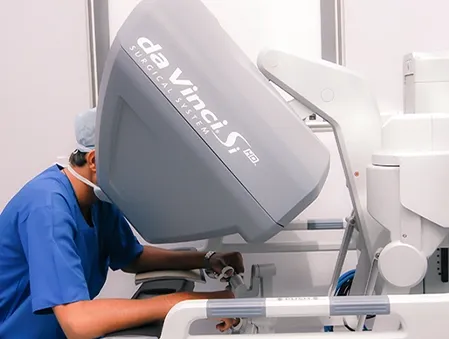
Da Vinci Robotic Surgery

The Da Vinci Robotic Surgical System enables surgeons to perform delicate and complex surgeries through a few tiny incisions made in the chest. The technology uses miniaturised instruments mounted on..

Know More About Our Sub-Specialization
Patient Stories
हृदय रोग

श्री टी.एन. झा

कार्डिएक वाल्व लीकेज

श्री अशोक सिंह

ट्रांसकैथेटर एओर्टिक वाल्व रिप्लेसमेंट (टीएवीआर)

Grandmother

Heart Failure Clinic

Mr. Maharaj Singh
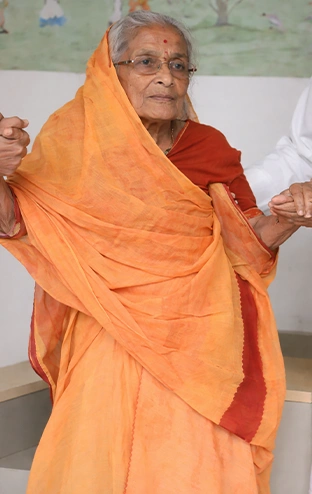
Cardiac Care

Mr. P Sharma

Cardiac Rehab

Mr. Sudhir Gupta

Cardiac Surgery

Mr. M.J. Rehman

Patient Stories
हृदय रोग

श्री टी.एन. झा

कार्डिएक वाल्व लीकेज

श्री अशोक सिंह

ट्रांसकैथेटर एओर्टिक वाल्व रिप्लेसमेंट (टीएवीआर)

Grandmother

Heart Failure Clinic

Mr. Maharaj Singh

Cardiac Care

Mr. P Sharma

Cardiac Rehab

Mr. Sudhir Gupta

Cardiac Surgery

Mr. M.J. Rehman

Frequently Asked Questions (FAQ)

1. How long is the waiting time for a heart transplant?

Waiting time varies depending on blood group, body size, and urgency. Some patients wait weeks; others may wait months.

2. Is heart transplant safe?

In symptomatic advance heart failure heart transplant/LVAD is the only treatment possible. Transplant  has risks as well as benefits which is assessed during work up and the risk benefit ratio is explained to the family .Overal...

Read More

1. How long is the waiting time for a heart transplant?

Waiting time varies depending on blood group, body size, and urgency. Some patients wait weeks; others may wait months.

2. Is heart transplant safe?

In symptomatic advance heart failure heart transplant/LVAD is the only treatment possible. Transplant  has risks as well as benefits which is assessed during work up and the risk benefit ratio is explained to the family .Overall 1 year Survival rates after transplant -90%.

3. How long does a transplanted heart last?

Mean survival is around 12-14 years. Younger patients with preserved end organs and medication compliance have seen to live 20 years or more also.

4. Will I need medicines for life?

Yes. Lifelong immunosuppressive medicines are essential to prevent rejection.

5. Can I live normally after transplant?

Most patients return to normal daily activities, travel, and even work within months.

6. Is LVAD a permanent solution?

It can be permanent (destination therapy) or temporary (bridge to transplant), depending on patient suitability.

7. Can I travel with an LVAD?

Yes, with proper training, backup batteries, and regular follow-up.

8. What lifestyle changes are needed?

Healthy diet, regular follow-up, infection precautions, medication adherence, and supervised exercise.

9. What is the success rate of LVAD?

Modern LVAD devices significantly improve 1- and 2-year survival rates and quality of life in advanced heart failure patients. Average survival at 1 year is 80 to 85%

10. When should I seek evaluation?

If you have repeated hospital admissions, severe breathlessness, or very low heart function despite treatment,increasing water retension ,changes in heart beating -consult immediately.

11. Compare success rate(survival) of medical vs surgical  treatment in advance heart failure?

In advanced heart failure:

  • Without transplant or LVAD on medications → 1-year survival may be <40%

  • With LVAD → 75–85% survival at 1 year

  • With Transplant → ~90% survival at 1 year

So both therapies dramatically improve survival.

12.Warning Signs for go to an Advanced Heart Failure Clinic?

Warning Sign

Clinical Indicator

1. Persistent breathlessness

Symptoms  on minimal activity or at rest (NYHA III–IV) despite medications

2. Repeated hospitalizations

≥2 heart failure admissions in last 12 months

3. Severe fatigue / poor exercise tolerance

Unable to perform routine daily activities

4. Low ejection fraction

LVEF ≤35% despite optimal medical therapy

5. Persistent fluid retention

Leg swelling, abdominal distension, rapid weight gain

6. Frequent need for IV diuretics

Recurrent need for IV diuretics in OPD or hospital

7. Low blood pressure or organ hypoperfusion

SBP <90–100 mmHg, dizziness, cold extremities

8. Inotrope dependence

Requirement of drugs such as dobutamine or milrinone

9. Worsening kidney or liver function

End organ failure due to congestion or low blood flow

10. Recurrent ventricular arrhythmias / ICD shocks

Frequent /sudden changes in heart beat

13. What should I do while on waiting list for heart transplant?

Routine activity as can be performed .

Follow the advice given in the advance surgical heart failure clinic about the 

  • Diet and salt restriction

  • Fluid management

  • Exercise and cardiac rehabilitation

  • Precaution & Prevention infections

  • Recognizing warning signs of worsening heart failure

  • Be mentally and physically strong to undergo the surgical therapy.

14. What happened if patient becomes sick will waiting for transplant?

Patients waiting for a heart transplant are closely monitored. If their condition worsens, doctors can provide temporary or mechanical support to keep the patient stable until a donor heart becomes available.

When there is worsening of symptoms you are immediately seen by the doctor at our clinic / emergency.

1. Adjustment of Medicines

Doctors may increase or change medications to support heart function and decrease water retension.

Examples include:

  • Strong diuretics to remove excess fluid

  • Medicines to improve heart pumping

  • Blood pressure–supporting drugs

2. Hospital Admission for Monitoring

If symptoms worsen significantly, the patient may need hospital admission for:

  • Continuous monitoring

  • Intravenous medications

  • Oxygen therapy

Goal: Prevent organ damage and stabilize circulation.

3. Temporary Mechanical Support

If the heart becomes too weak, doctors may use temporary devices to support circulation.

Common options include:

  • Intra-aortic balloon pump (IABP)

  • ECMO (Extracorporeal Membrane Oxygenation)

  • Temporary ventricular assist devices

Goal: Support the heart and vital organs while waiting for a donor heart.

4. Implantation of an LVAD

If waiting time may be long or the patient becomes very unstable, doctors may implant an LVAD (Left Ventricular Assist Device).

An LVAD:

  • Attach to the heart ( left ventricle) helps to pump blood to aorta which supplies whole body

  • Preserves all other organs by maintaining blood supply

  • Can act as a bridge to transplant

  • Destination therapy

5. Priority on the Transplant Waiting List

If the patient becomes critically ill and is on ECMO/IABP ,the status can be updated in waiting list. NOTTO  may increase their priority status, depending on national/state transplant allocation rules.

15. What is ECMO?

ECMO is a machine which temporarily does the work of the heart or lungs  or both outside the body, giving them time to recover or allowing doctors to plan advanced treatment like LVAD or heart transplant.

16. How does ECMO work?

  • Blood is taken out of the body through a tube (cannula).

  • The blood passes through a membrane called an oxygenator where carbon dioxide is removed and oxygen is added.

  • A pump pushes the oxygen-rich blood back into the patient’s body.

  ECMO is temporary device which does not cure the disease but supports the body until recovery or further treatment. 

17. What is LVAD?

An LVAD (Left Ventricular Assist Device) is surgically implanted mechanical pump that is attached to the heart( left ventricle) from here it sucks the blood and pumps into the aorta which is the main artery of the body and supplies all other organs in the body. 

It is used in patients with advanced heart failure, when the heart becomes too weak to pump enough blood.

The LVAD is fully inside the body except the battery which is outside. The patient can do all his regular activity after lvad including bathing driving etc with precautions.

18. Do medication is to be taken after LVAD?

Yes. Patients with a Left Ventricular Assist Device (LVAD) need to take several medicines regularly. These medications help prevent blood clots( blood thinners ,anticoagulant), control heart failure symptoms, maintain safe blood pressure.

19. How is life after transplant?

Most patients:

  • Sit and walk within a few days

  • Go home within 2–3 weeks (if stable)

  • Resume near-normal life within 3–6 months

Lifelong follow-up includes:

  • Anti-rejection medicines( oral tablets)

  • Regular blood tests

  • Periodic heart biopsies

  • Infection prevention

  • Cardiac rehabilitation

With proper care, patients can live long, productive lives.

Read Less
Back to top